By Donna Miller
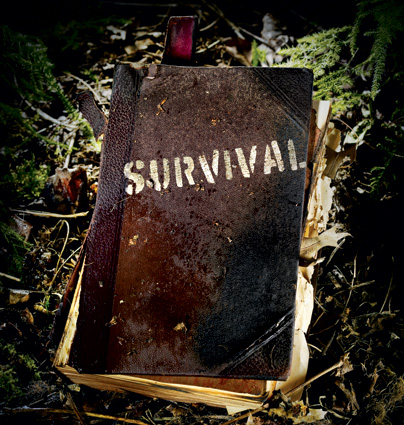 Most people don’t even give survival a second thought. To many survival means having air conditioning and cable TV. But what is real survival and what techniques are needed to know or skills and planning are involved if one were to have to survive, say without shelter or a grocery store close by?
Potentially the list of survival skills could be endless but the top category that I see would be to find what is right for your surroundings and climate. If you are above a certain elevation only certain crops are specific to your area. If you live where animals were once the major inhibitors of an area and you suddenly have to survive outdoors, it would be prudent to learn how to cohabit-ate and deal with the local coyote or black bear.
No matter what skills or techniques one may study, until they are practiced, there is no way to be sure all the planning has paid off. Planning is one thing, doing is the proving ground. Practice to see what loop-holes there may be so you can truly survive if necessary.
Best Blessings and enJOY the journey!
Joseph & Donna Miller
The Grain Storehouse – Your Preparation Station!
Feel free to contact our office via email or call during business hours.
Mon – Thurs 9:00-5:00, Fri 9:00-4:00 Eastern Time (Closed Sat & Sun)
1.828.536.4988
Deut 28:5 – “A blessing upon your grain-basket and kneading-bowl.”
Popular Questions
What is the fastest way to improve Learning Survival Skills, Techniques and Planning without making beginner mistakes?
The fastest way to improve Learning Survival Skills, Techniques and Planning is to simplify the process and control one variable at a time. Start with the most important baseline: define the goal, identify the main failure point, and test one change before making another. Keep short notes so you can connect the outcome to the adjustment you made. This prevents guesswork and helps you build a repeatable method instead of chasing random fixes.
What should you check first when Learning Survival Skills, Techniques and Planning is not working well?
Check the most immediate bottlenecks first: setup errors, missing inputs, bad timing, or inconsistent follow-through. Before buying anything new or changing the whole system, confirm that the basics are being done correctly and consistently. A small diagnostic checklist usually reveals the real problem faster than broad trial and error. Once the weak point is clear, make one correction and watch the result before adjusting anything else.
What common mistakes make Learning Survival Skills, Techniques and Planning harder than it needs to be?
The most common mistakes are changing too many variables at once, skipping the basics, and judging results too quickly. Many people also copy generic advice without adapting it to their exact situation, which leads to weak results and confusion. A better approach is to work from a simple baseline, make measured changes, and give each change enough time to show whether it helped. That makes progress easier to track and repeat.
Auto Amazon Links: No products found.