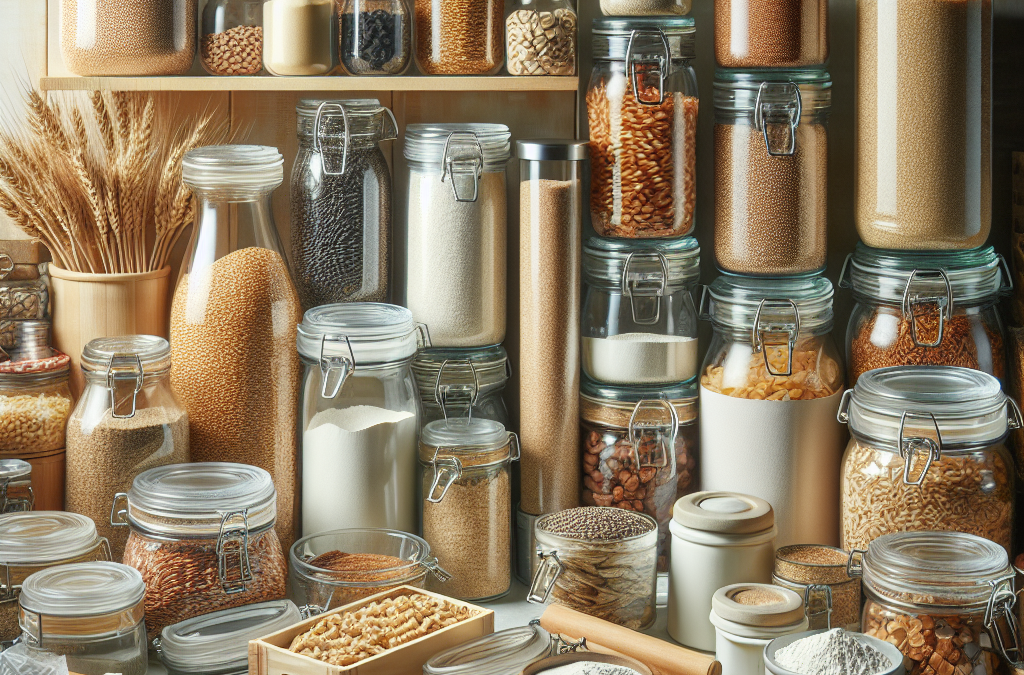
Understanding the importance of effective grain storage is vital, especially for households looking to stockpile food for emergencies or to reduce grocery costs. Improper storage can lead to the degradation of grains, causing nutrient loss and making them unsafe for consumption. Prioritizing the right storage methods not only preserves food quality but also minimizes waste.
A common mistake many make is underestimating the effects of humidity and temperature on grain storage. High moisture can lead to mold growth and spoilage, while extreme temperatures can degrade grain quality. It is essential to monitor these factors closely and adjust storage conditions accordingly to ensure grains remain safe and nutritious.
Choosing the Right Storage Containers
The choice of storage container plays a critical role in preserving cereal grains. Airtight containers made from glass, plastic, or metal are ideal as they prevent moisture and pests from affecting the grains. Additionally, labeling containers with the grain type and date of storage helps in managing inventory and using older grains first.
When selecting containers, consider their size relative to your storage needs. Smaller containers are better for frequently used grains, while larger ones are suitable for bulk storage. It’s also beneficial to choose opaque containers to limit light exposure, which can degrade grain quality over time.
Another factor to consider is the cost-effectiveness of your storage solution. While glass containers may be more expensive upfront, they can provide long-term savings by extending the lifespan of the grains. Evaluate your budget and storage goals to find the best fit.
Ideal Storage Conditions for Cereal Grains
Grains thrive in specific storage conditions that help maintain their quality. The ideal temperature for storing cereal grains ranges from 50°F to 70°F (10°C to 21°C), with humidity levels below 15%. Keeping grains in a cool, dry place minimizes the risk of spoilage.
In addition to temperature and humidity, proper ventilation is essential. A well-ventilated storage area helps to prevent the buildup of moisture and heat, which can lead to mold growth. If possible, use a dehumidifier in humid climates to control moisture levels effectively.
Regularly checking the storage environment is crucial. Implementing a schedule to assess conditions and adjust as necessary can prevent problems before they escalate. This proactive approach ensures that grains remain safe and high-quality over time.
Common Mistakes in Grain Storage
Many individuals make mistakes when storing cereal grains that can lead to spoilage. One common error is failing to clean and dry grains before storage. Residue or moisture can create a breeding ground for pests and mold, significantly reducing grain quality.
Another frequent oversight is mixing different types of grains in the same container. Each grain has unique storage requirements, and mixing can lead to uneven moisture levels and spoilage. It’s best to store grains separately to maintain their quality.
Get Whole Wheat Flour, Grains and Milling Supplies – CLICK HERE

Lastly, neglecting to monitor stored grains can lead to undetected spoilage. Regularly inspecting grains for signs of pests, mold, or off-odors is essential for early detection and management of issues.
Maintaining Quality Over Time
To ensure the longevity of cereal grains, it’s important to adopt practices that maintain their quality. One effective method is to rotate stock regularly, using older grains first to prevent them from going stale.
Additionally, consider vacuum sealing grains for long-term storage. This technique removes air, significantly extending shelf life by reducing oxidation and spoilage. Vacuum-sealed bags can be stored in a freezer for even more extended preservation.
In summary, educate yourself about the specific storage requirements for each type of grain. Different grains may have varying needs regarding temperature, humidity, and light exposure. Tailoring your storage methods to each grain type can lead to better preservation outcomes.
Further Reading
Authoritative Sources
- USDA Food Safety and Inspection Service
fsis.usda.govThis source provides guidelines on safe food storage practices, including grains
Frequently Asked Questions
What is the best way to store cereal grains?
The best way to store cereal grains is in airtight containers in a cool, dry, and dark place, ideally at temperatures between 50°F and 70°F.
How long can cereal grains be stored?
When stored properly, most cereal grains can last from 6 months to several years, depending on the type of grain and storage conditions.
Can I store grains in the freezer?
Yes, grains can be stored in the freezer, especially if vacuum sealed, to extend their shelf life significantly.
Freezing grains can prevent pest infestations and spoilage, making it a viable option for long-term storage.
What should I avoid when storing cereal grains?
Avoid storing grains in humid or warm environments, and do not mix different types of grains in the same container to prevent spoilage.
How can I tell if my stored grains are still good?
Check for signs of spoilage such as off-odors, discoloration, or the presence of pests. If any of these are present, it is best to discard the grains.
Conclusion
Effective home storage of cereal grains is essential for maintaining their quality and extending their shelf life. By choosing the right containers, monitoring storage conditions, and avoiding common mistakes, you can ensure that your grains remain safe and nutritious. Regular inspections and tailored storage practices will help you make the most of your grain supply, ultimately supporting your food security needs.
Get Whole Wheat Flour, Grains and Milling Supplies – CLICK HERE
Auto Amazon Links: No products found.