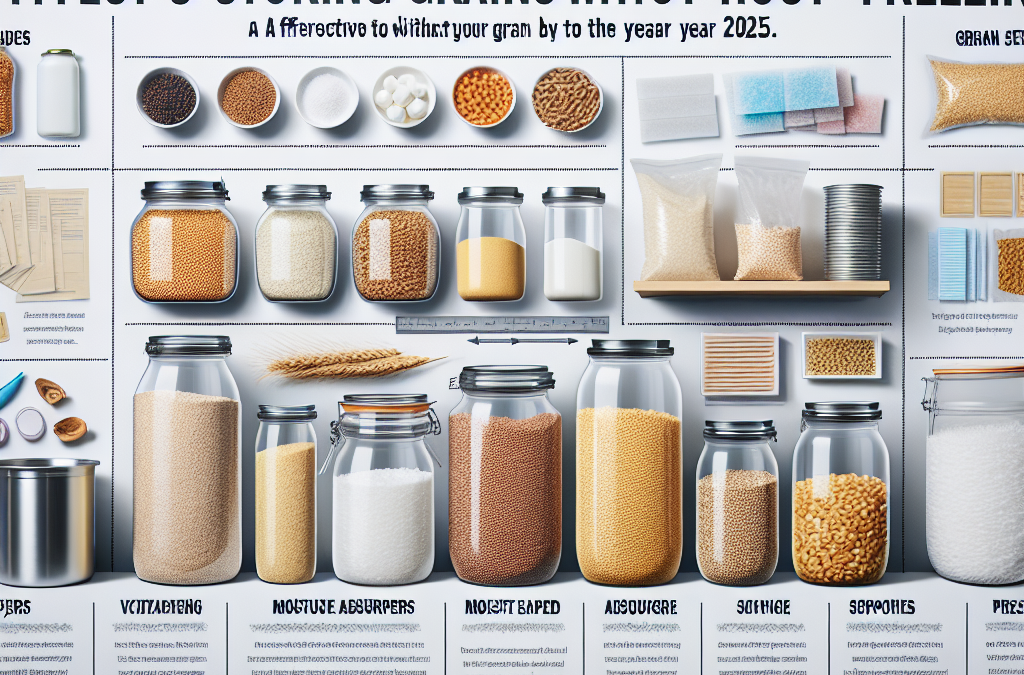
Understanding the implications of food security involves recognizing the importance of grain storage systems that can withstand environmental challenges. Poor storage can lead to significant losses, impacting both food availability and prices. Farmers, suppliers, and policymakers must prioritize effective grain handling techniques to mitigate risks associated with pests, moisture, and temperature fluctuations.
Moreover, common mistakes in grain storage include inadequate cleaning of storage facilities and neglecting to monitor moisture levels. These oversights can result in mold growth and infestations, which compromise food safety. Therefore, establishing a routine for inspecting and maintaining storage conditions is essential for effective food security management.
Understanding Food Security and Its Importance
Food security refers to the availability and access to sufficient, safe, and nutritious food to maintain a healthy life. It encompasses various factors, including production, distribution, and storage. The significance of food security is underscored during crises, such as natural disasters or pandemics, where food supply chains may be disrupted.
Grain storage plays a fundamental role in food security by ensuring that harvested grains remain usable over extended periods. Effective storage methods help stabilize food prices and availability, particularly in regions prone to food scarcity. Moreover, understanding local climate conditions is crucial for determining the best storage practices to reduce losses.
Investing in infrastructure and education around food security can lead to more resilient communities. For instance, farmers who adopt optimal storage techniques can significantly minimize post-harvest losses and contribute to local food systems. Prioritizing food security initiatives can also enhance community health outcomes and economic stability.
Key Grain Storage Techniques
Effective grain storage techniques are essential for preserving the quality and safety of grains. Common methods include using airtight containers, silos, and controlled environments to minimize exposure to moisture and pests. These techniques help prevent spoilage and extend the shelf life of stored grains.
One effective approach is the use of hermetic storage, which creates an airtight seal that limits oxygen levels, thus inhibiting the growth of pests and mold. Additionally, temperature control is critical; maintaining a cool environment helps to slow down degradation processes. Regular monitoring of stored grains for signs of spoilage or infestation is also vital.
Farmers should consider integrating technology into their storage systems, such as moisture sensors and temperature controls. These tools can provide real-time data, allowing for timely interventions. Prioritizing these techniques can lead to reduced waste and increased food security in vulnerable populations.
Common Mistakes in Grain Storage
Many grain storage failures stem from common mistakes that can be easily avoided. One of the most significant errors is neglecting to clean storage containers and facilities before use. Residual grain or debris can attract pests, leading to infestations that compromise the entire stock.
Another common mistake is overlooking moisture management. High humidity levels can cause grains to absorb moisture, resulting in mold growth and spoilage. It is crucial to regularly check moisture levels and ensure proper ventilation in storage areas to maintain an optimal environment.
Moreover, failing to implement a rotation system can lead to older grains being stored for too long, which increases the risk of spoilage. Adopting a first-in, first-out (FIFO) approach can help ensure that grains are used before they reach their expiration. Awareness of these pitfalls is essential for effective grain storage management.
The Role of Technology in Grain Storage
Technology has transformed grain storage practices, making them more efficient and reliable. Innovations such as smart bins equipped with sensors can monitor temperature and humidity levels, providing alerts when conditions fall outside optimal ranges. This proactive approach helps prevent spoilage and pest infestations.
Get Whole Wheat Flour, Grains and Milling Supplies – CLICK HERE

Furthermore, data analytics can enhance decision-making regarding when to sell or store grains based on market conditions. Utilizing software tools for tracking inventory and storage conditions can streamline operations and reduce losses. Farmers and suppliers who embrace these technologies can significantly improve their food security efforts.
Investing in technology is not just about immediate gains; it fosters long-term sustainability in food systems. By leveraging data and analytics, stakeholders can make informed decisions that align with broader food security goals. Emphasizing technological integration is crucial for future-proofing grain storage practices.
Further Reading
Authoritative Sources
- Food and Agriculture Organization (FAO)
fao.orgThis resource provides comprehensive information on food security and best practices for grain storage management
- International Fund for Agricultural Development (IFAD)
ifad.orgOffers insights into sustainable agricultural practices and grain storage solutions
- USAID Food Security
usaid.govA valuable source for understanding global food security initiatives and strategies
- National Agricultural Library (NAL)
nal.usda.govProvides access to a wealth of agricultural research and resources related to grain storage
Frequently Asked Questions
What are the best conditions for grain storage?
The ideal conditions for grain storage include a cool, dry environment with low humidity to prevent spoilage and pest infestations.
How can I prevent pests in grain storage?
Preventing pests involves regular cleaning of storage areas, using airtight containers, and monitoring for signs of infestation.
What is hermetic storage?
Hermetic storage is a method that creates an airtight seal to limit oxygen, thereby preventing pest growth and spoilage.
How often should I check stored grains?
Stored grains should be checked regularly, ideally every month, to monitor for moisture levels and signs of spoilage or pests.
What are the common signs of grain spoilage?
Common signs of grain spoilage include discoloration, off odors, and the presence of mold or insects.
Conclusion
To wrap up, food security and grain storage are interconnected elements that require strategic planning and management. Understanding the importance of effective storage techniques is essential for maintaining food quality and availability. By avoiding common mistakes and leveraging technology, stakeholders can significantly enhance their grain storage practices. Prioritizing food security initiatives not only benefits individual farmers but also strengthens communities and contributes to global food resilience. Moving forward, investing in education and innovative storage solutions will be crucial for addressing the challenges posed by climate change and increasing food demands.
Get Whole Wheat Flour, Grains and Milling Supplies – CLICK HERE
Related Content
- Reducing Condensation in Grain Storage Containers
- The Ultimate Guide to 10 Effective grains for long term storage in 2025
- Essential Containers for Effective Long-Term Grain Storage
- How to Prevent Cross-Contamination in Grain Storage
- Grain Storage and Shelf Life: Key Factors for Maximizing Quality and Safety
Auto Amazon Links: No products found.