When considering wheat for food storage, it’s crucial to prioritize varieties that not only last long but also maintain their nutritional integrity over time. Hard red winter wheat is particularly favored for its high gluten content, making it suitable for bread-making, while hard white wheat has a milder flavor and is excellent for various baking needs. Soft white wheat, although lower in protein, is ideal for pastries and cakes. Understanding these differences helps in making informed decisions based on your storage needs.
Another common mistake when selecting wheat for storage is underestimating the importance of proper storage conditions. Even the best wheat varieties can spoil if not stored correctly. It’s essential to keep wheat in a cool, dry place, ideally in airtight containers to prevent moisture and pests from compromising quality. Prioritizing storage conditions is as vital as selecting the right type of wheat.
Understanding Wheat Varieties
Hard red winter wheat is a preferred choice for many due to its high protein content and suitability for bread-making. It contains around 12-15% protein and has a robust gluten structure, making it ideal for yeast breads. Hard white wheat shares similar characteristics but has a lighter texture and milder flavor, making it versatile for different recipes.
Soft white wheat, on the other hand, is lower in protein (about 9-12%) and is primarily used for pastries, cookies, and cakes. Understanding these distinctions helps in selecting the right wheat for specific culinary applications while ensuring that nutritional needs are met.
When choosing wheat for storage, consider the culinary uses you prioritize. If you primarily bake bread, hard red or hard white wheat should be your top choices. If you lean towards baking pastries, soft white wheat might be more appropriate. This focus on end-use can streamline your storage decisions.
Storage Techniques for Maximum Longevity
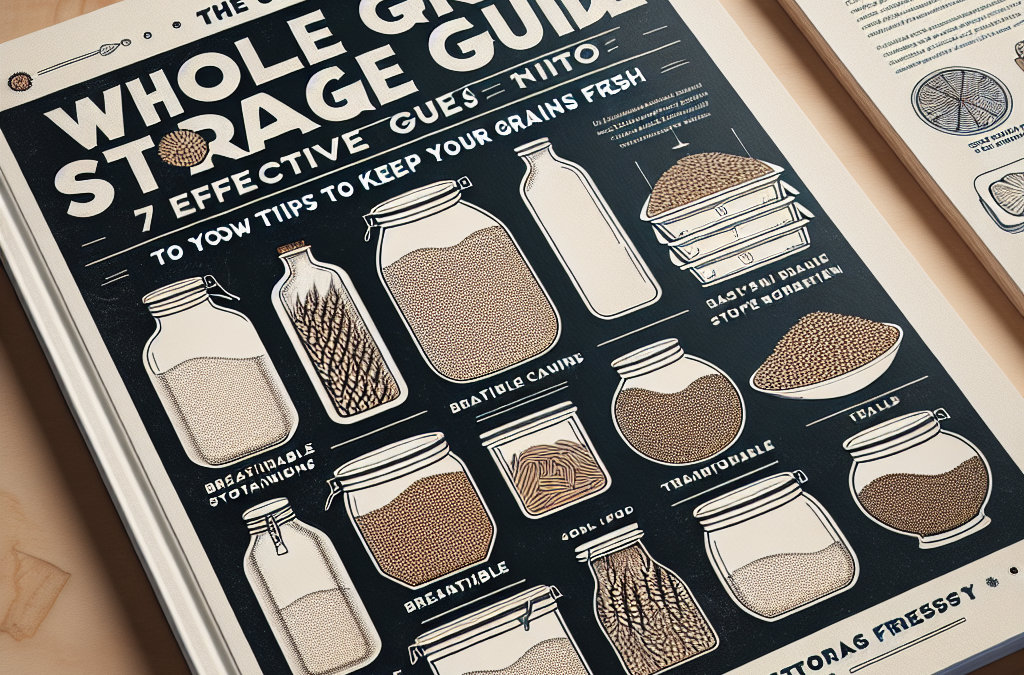
To ensure the longevity of your stored wheat, it is essential to follow proper storage techniques. Ideally, wheat should be kept in airtight containers to protect it from moisture, pests, and light. Mylar bags with oxygen absorbers are a popular choice among preppers, as they create a barrier that extends shelf life significantly.
Temperature control is also important; wheat should be stored in a cool, dry environment, ideally at temperatures below 70°F (21°C). This helps prevent the growth of mold and insects, which can compromise the quality of the wheat over time.
Regularly checking your stored wheat for any signs of spoilage or infestation can also prevent larger issues. It’s wise to rotate your stock, using older supplies first to maintain freshness and ensure you’re not storing wheat longer than its optimal shelf life.
Nutritional Benefits of Stored Wheat
The nutritional benefits of wheat make it a staple for food storage. Whole grains, including wheat, are rich in fiber, vitamins, and minerals. They provide essential nutrients that support overall health, including B vitamins, iron, magnesium, and antioxidants.
Whole wheat flour retains the bran and germ, which contain most of the nutrients, making it a healthier choice compared to refined flours. Additionally, incorporating a variety of wheat types into your diet can enhance nutrient diversity, supporting better health outcomes.
However, it’s important to balance wheat consumption with other food groups to ensure a well-rounded diet. While wheat offers significant benefits, reliance solely on a single food source can lead to nutritional imbalances. Incorporating legumes, nuts, seeds, and vegetables alongside your wheat storage can enhance overall dietary quality.
Get Whole Wheat Flour, Grains and Milling Supplies – CLICK HERE

Common Mistakes in Wheat Storage
One common mistake is failing to assess moisture levels before storage. Wheat should be at a moisture content of 12% or lower to prevent spoilage. High moisture can lead to mold growth and rancidity, making the wheat inedible.
Another mistake involves neglecting to protect stored wheat from pests. Rodents and insects can quickly compromise your supply. Utilizing airtight containers and regularly inspecting your storage area can mitigate these risks.
In closing, many overlook the importance of labeling containers with the storage date. This simple step helps track the age of your wheat and ensures that you use it before it loses quality. Prioritizing these storage practices can significantly extend the life and quality of your wheat supplies.
Further Reading
Authoritative Sources
- Grain Storage Guidelines
grainscouncil.orgThis resource provides comprehensive guidelines on proper grain storage practices, including tips for maintaining quality and safety
- Nutrition Information on Whole Grains
nutrition.govOffers detailed nutritional information about whole grains, including wheat, and their health benefits
- University Extension Services on Grain Storage
extension.orgProvides research-backed insights into effective grain storage methods and practices
Frequently Asked Questions
What is the best wheat for long-term storage?
Hard red winter wheat, hard white wheat, and soft white wheat are among the best for long-term storage due to their nutritional value and shelf life.
How should I store wheat to maximize its shelf life?
Store wheat in airtight containers in a cool, dry place, ideally using Mylar bags with oxygen absorbers to extend shelf life.
How long can wheat be stored?
When stored properly, whole wheat can last 10-30 years, while refined wheat flour typically lasts 6-12 months.
Can I store wheat in plastic containers?
Yes, as long as they are airtight and stored in a cool, dry location. However, Mylar bags or glass containers are preferred for maximum protection.
What are the signs of spoiled wheat?
Signs include an off smell, discoloration, or the presence of mold or insects. If any of these are present, the wheat should not be consumed.
Conclusion
Choosing the best wheat for food storage is essential for maintaining a reliable food supply. Hard red winter wheat, hard white wheat, and soft white wheat stand out for their nutritional benefits and versatility. Proper storage techniques are critical to ensuring the longevity of your wheat, as is understanding the common pitfalls that can lead to spoilage. Prioritize maintaining optimal storage conditions, and consider incorporating a variety of wheat types to enhance dietary quality. By following these guidelines, you can effectively secure your food storage for the long term.
Get Whole Wheat Flour, Grains and Milling Supplies – CLICK HERE
Auto Amazon Links: No products found.