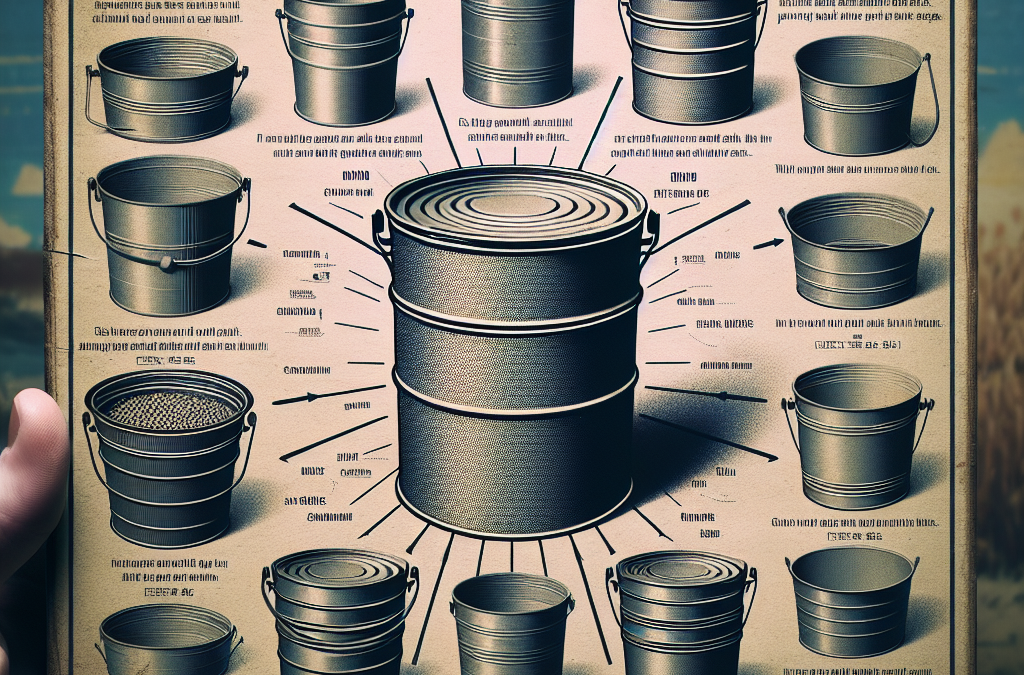
When considering grain storage, it’s important to recognize the impact of environmental conditions on shelf life. Temperature fluctuations can lead to moisture accumulation, which encourages mold growth and pest infestations. Ideally, grains should be stored in a cool, dry place. Additionally, the choice of storage containers—whether bins, bags, or silos—can influence the longevity of the stored grains. Selecting the right container helps minimize exposure to air and moisture, both of which can deteriorate grain quality.
Common mistakes in grain storage include neglecting to monitor humidity levels and failing to clean containers before use. Mold and pests thrive in humid environments, so investing in a hygrometer to monitor moisture levels can be a game changer. Furthermore, choosing a container that allows for air circulation can help maintain optimal conditions. Prioritizing these aspects will not only extend shelf life but also ensure that the grains remain safe for consumption.
Understanding Grain Shelf Life
Grain shelf life varies significantly based on the type of grain and storage conditions. Generally, whole grains have a longer shelf life compared to processed grains. For instance, brown rice can last about 6 months, while white rice can last for years when properly stored. Factors such as oil content in grains also affect shelf life—grains with higher oil content tend to spoil faster.
Understanding these variances is crucial for planning long-term storage. For example, if you are storing grains for emergency preparedness, knowing which types have longer shelf lives allows for better inventory management. Additionally, rotating your stock regularly ensures that older grains are used first, preventing waste.
Many people mistakenly believe that all grains can be stored indefinitely. This misconception can lead to significant food waste and potential health risks. It’s essential to educate yourself on the specific shelf life of the grains you intend to store and create a plan for their use.
Optimal Storage Conditions
Optimal storage conditions for grains involve controlling temperature and humidity. The ideal temperature for storing grains is typically between 40°F and 60°F (4°C to 15°C). Keeping grains in a stable environment free from temperature fluctuations helps preserve their quality over time.
Humidity control is equally important. Grains should be stored in an environment with less than 14% moisture content to prevent mold and pests. Using desiccants or moisture-absorbing materials in storage containers can help maintain low humidity levels. Regularly checking these conditions can prevent spoilage.
A common oversight is ignoring seasonal changes that can affect storage conditions. For instance, summer heat can raise the temperature of storage areas, while winter may introduce excess moisture. Being proactive about adjusting storage methods according to the season can make a significant difference in grain preservation.
Common Storage Mistakes
Many individuals make critical mistakes when storing grains that can lead to spoilage. One prevalent mistake is storing grains in inappropriate locations, such as near windows or in basements prone to flooding. These areas can expose grains to moisture and pests.
Another common error is neglecting to clean storage containers before use. Residue from previous contents can harbor pests or mold, compromising new grain stored in the same container. Regular cleaning and inspection of storage areas should be part of your grain storage routine.
Get Whole Wheat Flour, Grains and Milling Supplies – CLICK HERE

Moreover, failing to monitor grain conditions regularly can lead to undetected spoilage. Implementing a routine check-up schedule can help catch issues before they escalate, ensuring your stored grains remain safe and usable.
Choosing the Right Containers
The choice of storage containers plays a vital role in preserving grain quality. Airtight containers are preferred as they limit exposure to air and moisture. Options include plastic bins, glass jars, or food-grade buckets. Each type has its advantages, but ensuring they are sealed properly is crucial.
Additionally, consider the size of the containers based on your storage needs. Overfilling containers can lead to pressure buildup and potential spoilage. It’s also wise to label containers with the contents and storage date to keep track of freshness.
People often underestimate the importance of container material. For example, metal containers can rust if exposed to moisture, while certain plastics may leach chemicals over time. Opting for high-quality, food-safe materials can prevent these issues and extend the life of your stored grains.
Further Reading
Authoritative Sources
- Ready.gov
ready.govOfficial U.S. preparedness guidance, checklists, and planning resources for households and emergencies.
- FEMA
fema.govFederal emergency management resources, disaster planning information, and recovery guidance.
- American Red Cross Emergency Preparedness
redcross.orgPractical emergency preparation steps, supply lists, and safety guidance for families.
- National Weather Service
weather.govOfficial forecasts, hazard alerts, and weather safety information.
- CDC Emergency Preparedness and Response
cdc.govPublic health guidance for emergencies, disasters, and recovery situations.
Frequently Asked Questions
What is the ideal temperature for grain storage?
The ideal temperature for storing grains is between 40°F and 60°F (4°C to 15°C) to maximize shelf life and prevent spoilage.
How can I tell if my stored grains have gone bad?
Signs of spoilage in stored grains include an off smell, discoloration, or the presence of mold or pests. If you notice any of these signs, it’s best to discard the grains.
Can I store grains in plastic bags?
While plastic bags can be used for short-term storage, they are not ideal for long-term preservation due to their permeability to air and moisture. Airtight containers are preferred.
How often should I check on my stored grains?
It’s advisable to check on your stored grains every few months to monitor for signs of spoilage and to ensure the storage conditions remain optimal.
What are the best types of containers for grain storage?
Airtight containers made from food-grade materials, such as plastic bins, glass jars, or metal buckets, are the best for grain storage as they protect against moisture and pests.
Conclusion
All in all, understanding the principles of grain storage and shelf life is essential for anyone looking to maintain the quality and safety of their grains. By controlling environmental factors, avoiding common storage mistakes, and selecting appropriate containers, you can significantly extend the shelf life of your grains. Prioritize regular monitoring and education on the specific needs of the grains you store to ensure they remain safe and usable for longer periods. Taking these steps will not only save money but also contribute to food security in your household.
Get Whole Wheat Flour, Grains and Milling Supplies – CLICK HERE
Auto Amazon Links: No products found.