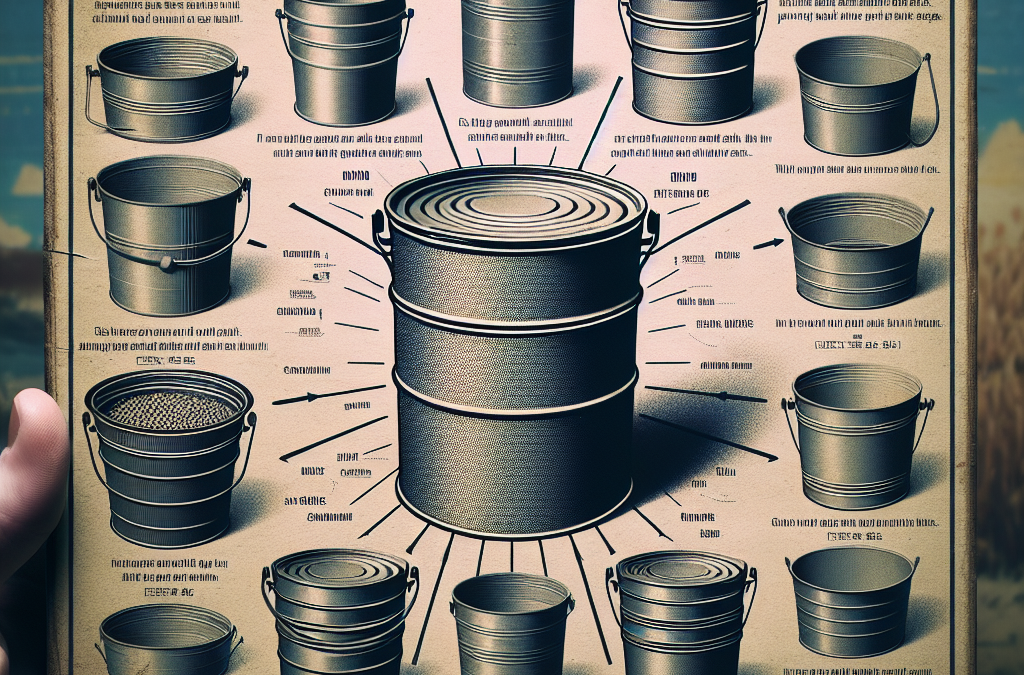
The best storage for whole grains is crucial for maintaining their freshness and nutritional quality. Whole grains, unlike refined grains, contain the bran and germ, making them more prone to spoilage due to their natural oils.
Choosing the right container is vital. Glass jars with tight-fitting lids are excellent for visibility and sealing, while food-grade plastic containers are lightweight and often stackable. It’s essential to label the containers with the grain type and date of storage to track freshness. Additionally, consider using oxygen absorbers, which can significantly extend the shelf life of stored grains by reducing the amount of oxygen that can cause spoilage.
A common mistake is storing whole grains in their original packaging, which often lacks adequate protection against moisture and pests. Instead, transferring grains to a dedicated storage container is a better practice. Moreover, be aware of how long grains have been stored; even in optimal conditions, grains can lose their quality over time. Whole grains typically last six months to a year, depending on the type and storage conditions, so regular checks are advisable.
Choosing the Right Containers
Choosing the right containers for storing whole grains is fundamental to maintaining their quality. Airtight containers prevent moisture and pests from compromising the grains. Glass jars are preferable due to their durability and non-reactive nature, which helps retain the grains’ flavor. Alternatively, food-grade plastic containers are lightweight and often more convenient for bulk storage.
When selecting containers, consider the size based on your grain usage. Smaller containers can be used for frequently accessed grains, while larger ones are suitable for bulk storage. It’s also beneficial to ensure that containers are opaque or stored in dark places to protect grains from light, which can degrade their quality.
Many overlook the importance of labeling containers. Clearly marking the type of grain and the date of storage helps keep track of freshness. It’s also wise to use moisture-absorbing packets in containers, particularly in humid climates, to further enhance preservation.
Optimal Storage Conditions
Optimal storage conditions are essential for prolonging the shelf life of whole grains. Storing grains in a cool, dark, and dry environment is key. Ideal temperatures range from 50°F to 70°F (10°C to 21°C), as higher temperatures can accelerate spoilage.
Humidity is another critical factor; grains should be kept in areas with low humidity to prevent mold growth. A pantry or a dedicated grain storage area is often suitable. Avoiding storage in kitchens or near ovens is crucial, as heat and humidity can fluctuate significantly in these spaces.
Additionally, consider the impact of air exposure. Even the best containers can allow some air in over time, which can lead to rancidity. Regularly checking the condition of your grains and rotating stock can help ensure you’re using the oldest grains first, minimizing waste.
Common Mistakes in Grain Storage
Many people make common mistakes when it comes to grain storage that can lead to spoilage. One of the most frequent errors is using unsuitable containers. For instance, cardboard boxes or plastic bags do not provide effective barriers against moisture and pests.
Another mistake is neglecting to check the storage conditions. Storing grains in areas with fluctuating temperatures or high humidity can significantly reduce their shelf life. It’s also essential to avoid mixing different types of grains in one container, as they may have varying moisture levels and storage requirements.
Lastly, many individuals underestimate the importance of regular inspections. Checking for signs of spoilage, such as off smells or strange textures, can prevent the consumption of damaged grains. Ensuring to maintain a clean storage environment is also crucial to avoid contamination.
Maintaining Grain Freshness
Maintaining the freshness of whole grains involves proactive measures. Regularly using oxygen absorbers can significantly help in extending the shelf life by reducing the oxygen level inside the container. These absorbers are especially useful for long-term storage.
Get Whole Wheat Flour, Grains and Milling Supplies – CLICK HERE

Additionally, freezing whole grains can be an effective method for maintaining freshness. Freezing not only kills any potential pests but also slows down the degradation process. However, ensure that grains are in airtight containers before freezing to prevent moisture absorption.
Lastly, consider the frequency of use. If certain grains are used more often, store them in smaller, more accessible containers while keeping larger quantities in long-term storage. This approach helps in managing grain freshness effectively without frequent exposure to air and moisture.
Further Reading
Authoritative Sources
- Grain Storage Guidelines
grains.orgThis source provides comprehensive guidelines on the best practices for storing different types of grains
- Food Safety Storage Tips
foodsafety.govOffers valuable information on food safety standards and storage techniques to prevent spoilage
- University Extension Services
extension.orgA resource for research-backed information on food storage and preservation methods
- Nutrition.gov
nutrition.govGuidance on the nutritional aspects of various grains and their storage requirements
Frequently Asked Questions
What is the best way to store whole grains?
The best way to store whole grains is in airtight containers placed in a cool, dark, and dry location to prevent spoilage.
How long do whole grains last when stored properly?
When stored properly, whole grains can last from six months to a year, depending on the type of grain and storage conditions.
Can I freeze whole grains for storage?
Yes, freezing whole grains is an effective way to maintain freshness and kill any potential pests, provided they are in airtight containers.
What containers are best for storing whole grains?
Airtight glass jars or food-grade plastic containers are best for storing whole grains, as they prevent moisture and pests.
What common mistakes should I avoid when storing grains?
Avoid using unsuitable packaging, neglecting to check storage conditions, and mixing different types of grains in one container.
Conclusion
In summary, proper storage for whole grains is essential for preserving their quality and nutritional benefits. By choosing the right containers, maintaining optimal storage conditions, and avoiding common mistakes, you can significantly extend the shelf life of your grains. Regularly inspecting stored grains and using techniques like freezing and oxygen absorbers can further enhance freshness. Prioritize these practices to ensure that your whole grains remain a healthy part of your diet.
Get Whole Wheat Flour, Grains and Milling Supplies – CLICK HERE
Related Content
Auto Amazon Links: No products found.