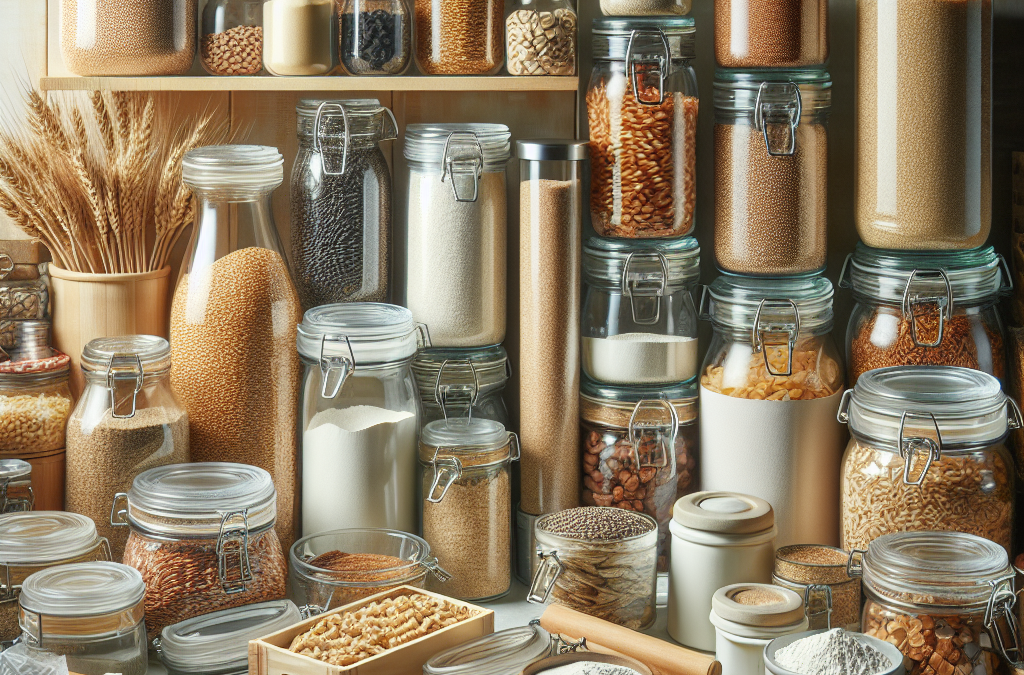
An emergency supply of grains is crucial for maintaining food security during crises. Grains such as rice, wheat, and oats serve as staple foods that provide essential nutrition and energy.
When building an emergency grain supply, prioritize grains that have a long shelf life and can be used in various recipes. Common mistakes include overestimating the shelf life of grains without proper storage or neglecting to rotate supplies. Understanding the specific needs of your household and the potential scenarios you may face is vital in determining how much grain to store.
Additionally, consider factors like climate and humidity, which can affect grain storage. For instance, grains stored in high humidity areas may require special containers to prevent mold and pests. Investing in airtight containers and monitoring storage conditions will help maintain the quality of your emergency grain supply.
Types of Grains for Emergency Supplies
Choosing the right types of grains is essential for a well-rounded emergency supply. Common grains include rice, wheat, oats, and barley. Each type has its own benefits; for example, rice is highly versatile and can be used in many dishes, while wheat can be ground into flour for baking. Understanding the nutritional value and culinary uses of each grain will help in planning meals during emergencies.
Rice is often favored for its long shelf life, lasting up to 30 years when stored properly. Wheat, particularly hard red winter wheat, is excellent for baking and can also last for decades. Oats provide a good source of fiber and can be used in various recipes, from breakfast to baking. Barley is another nutritious option that can be used in soups and stews.
It’s important to consider dietary restrictions and preferences when selecting grains. For instance, gluten-free options such as quinoa or millet can be included for those with gluten sensitivities. By diversifying your grain supply, you can ensure a more balanced diet during emergencies.
Best Practices for Grain Storage
Proper storage is critical for extending the shelf life of grains. Airtight containers are recommended to protect grains from moisture, pests, and light. Mylar bags with oxygen absorbers are popular for long-term storage, as they minimize oxygen exposure and prevent spoilage. Additionally, storing grains in a cool, dark place helps maintain their quality.
Regularly check your grain supply for signs of spoilage, such as pests or off odors. Implementing a first-in, first-out (FIFO) rotation system ensures that older supplies are used first, reducing the risk of waste. Label containers with the purchase date to keep track of freshness.
Consider the environment where grains are stored. High humidity can lead to mold and spoilage, while extreme temperatures can affect quality. If possible, use a dehumidifier in storage areas to maintain optimal conditions. Keeping grains in a stable environment will help ensure their longevity.
Common Mistakes to Avoid
Many people make critical mistakes when preparing their emergency grain supplies. One common error is underestimating the amount of grain needed for a household. It’s essential to calculate the necessary quantities based on family size and dietary needs. A lack of planning can lead to running out of supplies during emergencies.
Another mistake is neglecting to check the condition of stored grains regularly. Without periodic inspections, grains can become infested with pests or develop mold. Additionally, failing to rotate supplies can lead to the loss of older grains that should have been consumed first.
Get Whole Wheat Flour, Grains and Milling Supplies – CLICK HERE

Finally, many individuals overlook the importance of including a variety of grains in their emergency supplies. Sticking to just one type can limit meal options and nutritional diversity. By incorporating different grains, you can create balanced meals and avoid monotony during emergencies.
Further Reading
Authoritative Sources
Authoritative Sources
- Food Safety and Grain Storage
fda.govFDA.govThis resource provides guidelines on safe grain storage practices to prevent spoilage and contamination
- Grain Storage Techniques
ars.usda.govARS.usda.govA comprehensive overview of techniques to effectively store grains and maintain their quality
- Food Safety for Grains
nal.usda.govNAL.usda.govInformation on food safety practices specifically tailored for grain storage and handling
Frequently Asked Questions
What types of grains are best for emergency supplies?
The best grains for emergency supplies include rice, wheat, oats, and barley due to their long shelf life and versatility in cooking.
How should I store grains for long-term use?
Store grains in airtight containers in a cool, dark place to protect them from moisture, light, and pests.
How long do grains last when stored properly?
When stored correctly, grains can last anywhere from 5 to 30 years, depending on the type of grain and storage conditions.
What common mistakes should I avoid when preparing an emergency grain supply?
Avoid underestimating the quantity needed, neglecting to check for spoilage, and failing to include a variety of grains.
Can I use vacuum-sealed bags for grain storage?
Yes, vacuum-sealed bags are effective for grain storage as they remove air and reduce the risk of spoilage.
Conclusion
Preparing an emergency supply of grains is a vital step in ensuring food security during unforeseen circumstances. By selecting the right types of grains, employing proper storage techniques, and avoiding common pitfalls, you can create a robust supply that meets your household’s nutritional needs. Regularly inspect and rotate your supplies to maintain quality and freshness. Ultimately, being proactive about your grain storage will provide peace of mind and sustenance during emergencies.
Get Whole Wheat Flour, Grains and Milling Supplies – CLICK HERE
Related Content
- The Top 10 Whole Grains to Store for Emergencies
- Top Strategies for Grain Storage Temperature Control in 2025: Boost Quality & Prevent Loss
- Preserving the Nutritional Integrity of Stored Grains
- The Ultimate Guide to Storing Food for Grid Down Scenarios in 2025: Top Strategies
- The Impact of Temperature on Home Grain Storage
Auto Amazon Links: No products found.