Food preparedness and grain supply are critical components of ensuring food security, especially in times of crisis. Effective management involves understanding how to store grains properly, assessing the reliability of supply chains, and preparing for potential disruptions that can affect availability.
Understanding the nuances of grain supply is vital for both households and larger organizations. Factors such as climate change, economic instability, and global supply chain issues can significantly impact grain availability. Therefore, it is crucial to adopt proactive measures that enhance resilience. This includes diversifying grain sources, investing in reliable storage solutions, and developing contingency plans to address unforeseen challenges.
Moreover, one common mistake many make is underestimating the importance of regular inventory checks and maintenance of storage facilities. Failing to monitor grain conditions can lead to spoilage, pest infestations, and nutrient loss. Prioritizing these practices will ensure that supplies remain viable and effective in supporting nutritional needs.
Understanding Grain Storage Techniques
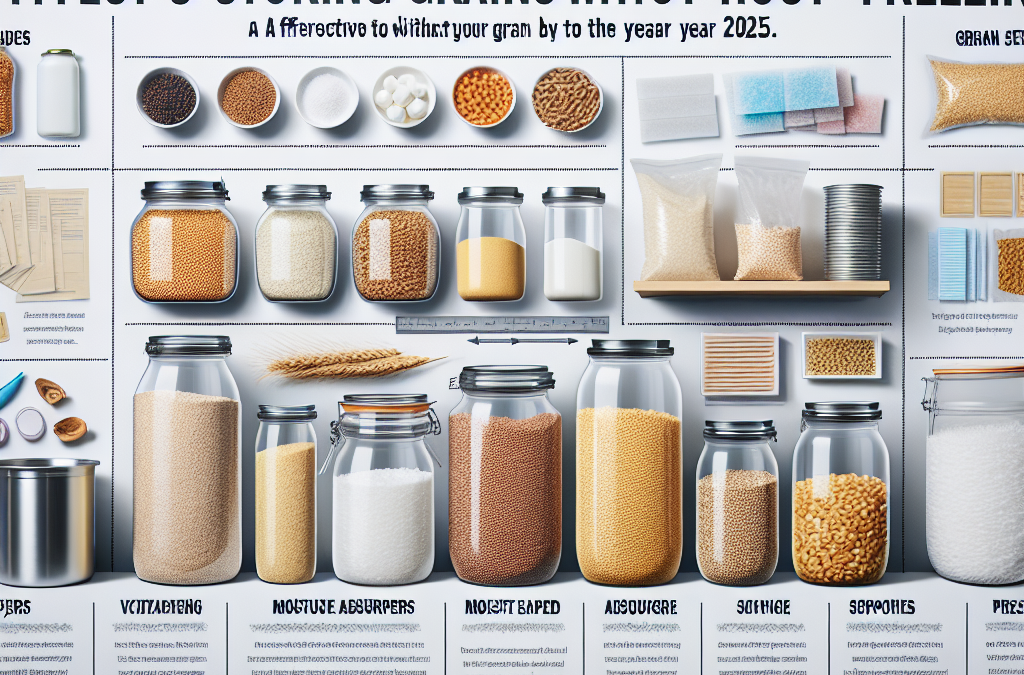
Grain storage techniques are essential for preserving the quality and safety of food supplies. Proper storage minimizes exposure to moisture, pests, and temperature fluctuations, which can compromise grain integrity. Techniques such as using airtight containers, maintaining optimal humidity levels, and employing temperature control measures can significantly extend the shelf life of grains.
When selecting storage methods, consider factors such as the type of grain, expected duration of storage, and available resources. For instance, bulk storage may be suitable for large quantities, while smaller containers might be more practical for household use. Regular monitoring of stored grains is also crucial; checking for signs of spoilage or pest activity can prevent larger issues down the line.
Additionally, understanding the specific needs of different grains can inform better storage choices. For example, rice requires different conditions than wheat, and knowing these variations can enhance overall preparedness. Prioritizing effective storage methods not only preserves food quality but also ensures that supplies remain accessible when needed most.
Evaluating Supply Chain Reliability
Assessing the reliability of grain supply chains is essential for effective food preparedness. A resilient supply chain minimizes the risk of shortages during crises, ensuring that communities have access to necessary resources. Key factors to evaluate include sourcing practices, transportation logistics, and potential vulnerabilities in the supply network.
To enhance supply chain reliability, diversify sources of grain. Relying on a single supplier can increase risk, especially during disruptions. Establishing relationships with multiple suppliers can provide alternatives in case of supply chain interruptions. Furthermore, understanding the geographical and economic factors that influence grain prices can help in strategic purchasing decisions.
Additionally, communities should consider local grain production as part of their preparedness strategy. Supporting local farmers can reduce reliance on distant suppliers and enhance food sovereignty. Investing in local agricultural practices not only strengthens the supply chain but also builds community resilience against external shocks.
Preparing for Emergencies
Emergency preparedness is a critical aspect of food security, especially concerning grain supply. Developing a clear plan that outlines the necessary steps to take during a crisis can significantly mitigate risks associated with food shortages. This includes identifying essential supplies, establishing communication channels, and training community members in emergency protocols.
One effective approach is to create a food preparedness kit that includes not only grains but also other staple foods, water, and necessary tools for food preparation. Regularly review and update this kit to ensure that supplies remain fresh and relevant. Community drills or workshops can also help familiarize individuals with emergency procedures, fostering a culture of preparedness.
Moreover, consider potential scenarios that could disrupt grain supplies, such as natural disasters or economic turmoil. Having contingency plans in place for these situations can enhance community resilience. Prioritize establishing strong networks with local organizations that can provide support during emergencies to bolster your preparedness efforts.
Get Whole Wheat Flour, Grains and Milling Supplies – CLICK HERE

Common Mistakes in Food Preparedness
In the realm of food preparedness, several common mistakes can undermine efforts to maintain a stable grain supply. One prevalent error is neglecting to rotate stored supplies, which can lead to spoilage and waste. Implementing a first-in, first-out (FIFO) system can help ensure that older supplies are used before newer ones.
Another mistake is failing to account for the specific storage needs of different grains. Each type of grain has unique requirements regarding temperature, humidity, and light exposure. Underestimating these factors can compromise food quality and safety. It’s essential to tailor storage solutions to the specific needs of the grains being stored.
Lastly, many individuals overlook the importance of education and training. Knowledge gaps can lead to poor decision-making during critical times. Investing time in learning about food preparedness, storage techniques, and emergency planning can provide the necessary skills to navigate challenging situations effectively. Prioritizing education will empower individuals and communities to respond more effectively to food supply challenges.
Further Reading
Authoritative Sources
- Food and Agriculture Organization (FAO)
fao.orgA key resource for understanding global food security issues and grain management practices
- USDA National Agricultural Statistics Service
nass.usda.govProvides valuable data on grain production and storage trends in the United States
- USDA Economic Research Service
ers.usda.govOffers insights into economic factors affecting grain supply and food security
- National Center for Biotechnology Information
ncbi.nlm.nih.govResearch articles on agricultural practices and food preparedness
Frequently Asked Questions
What are the best practices for grain storage?
Best practices include using airtight containers, maintaining optimal humidity levels, and regularly checking for pests.
How can I assess the reliability of my grain supply?
Evaluate sourcing practices, diversify suppliers, and understand the geographical factors influencing supply stability.
What should be included in a food preparedness kit?
A food preparedness kit should include grains, water, non-perishable foods, and essential cooking tools.
How often should I check my grain supplies?
Regular checks should be conducted every few months to ensure grains are in good condition and free from pests.
What are the common mistakes in food preparedness?
Common mistakes include neglecting to rotate supplies, failing to consider specific storage needs, and not educating oneself on best practices.
Get Whole Wheat Flour, Grains and Milling Supplies – CLICK HERE
Related Content
- How to Store Cornmeal Long Term: 7 Effective Tips for 2025
- Unique Whole Grain Desserts for Special Occasions
- Long Term Wheat Preservation: Effective Methods and Best Practices
- Mastering Home Pantry Food Storage: Tips to Preserve Freshness and Maximize Space
- How to Make Whole Wheat Last for Long-Term Use
Auto Amazon Links: No products found.