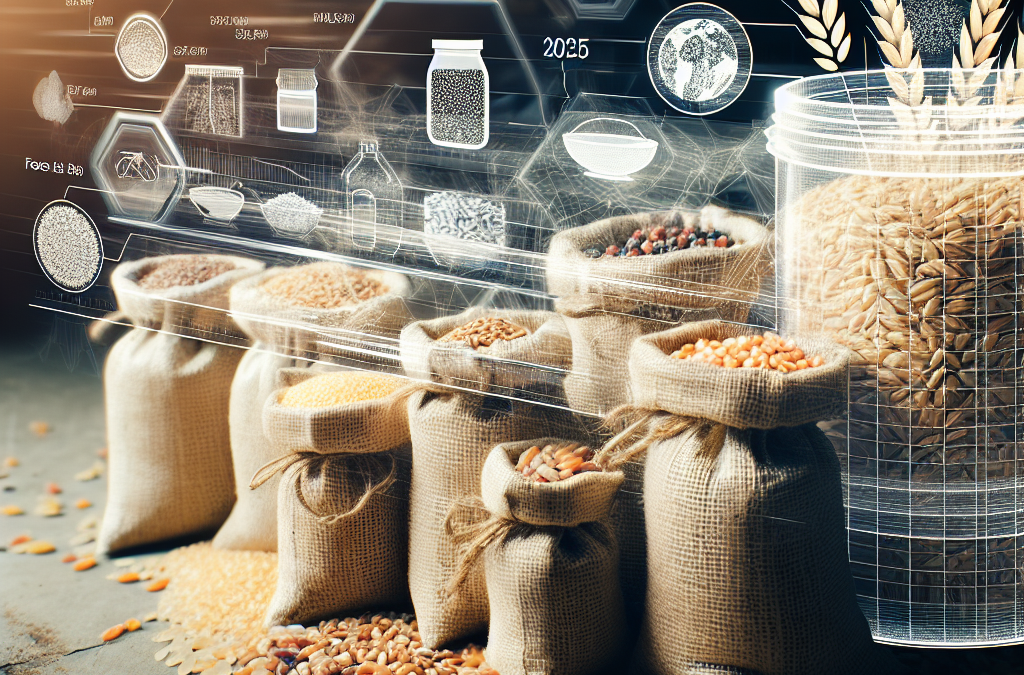
Food prepping with whole grains not only enhances nutrition but also saves time and reduces waste. By incorporating whole grains into your meal planning, you can create satisfying, healthy meals that keep you energized throughout the week. This approach allows for flexibility in recipes and promotes a balanced diet, making it easier to stick to health goals.
Integrating whole grains into your meal prep routine is a game changer for both health and convenience. Whole grains, such as quinoa, brown rice, and farro, are rich in fiber, vitamins, and minerals, making them a nutritious foundation for various meals. Not only do they promote digestive health, but they also provide sustained energy, which is vital for busy lifestyles. However, many people struggle with food prepping, often getting overwhelmed by the options or unsure how to incorporate these grains effectively.
Common pitfalls include overcooking grains, leading to unappetizing textures, or not planning meals around them, which can result in wasted ingredients. To avoid these mistakes, it’s essential to understand the unique properties of different whole grains and how they can complement your meals. Prioritizing meal prep that incorporates these grains can streamline your cooking process, save time during the week, and contribute to healthier eating habits.

Understanding Whole Grains
Whole grains are grains that contain all parts of the seed—the bran, germ, and endosperm. This makes them more nutritious than refined grains, which have been stripped of beneficial components. Common whole grains include brown rice, quinoa, barley, and oats. Each type offers unique flavors and textures, which can enhance your meal prep.
When selecting whole grains, consider their cooking times and how they pair with other ingredients. For example, quinoa cooks quickly and can be used in salads or as a side dish, while brown rice takes longer and works well in hearty casseroles. A common mistake is to treat all grains the same; understanding their individual characteristics can lead to better meal prepping outcomes.
Best Practices for Cooking Whole Grains
Cooking whole grains correctly is crucial for achieving the best texture and flavor. Start by rinsing grains like quinoa and farro to remove any bitter residue. Use the right water-to-grain ratio, which varies by grain type—typically, a 2:1 ratio works well for rice, while quinoa often requires a 1.5:1 ratio.
Another important consideration is cooking time. Overcooking can lead to mushiness, while undercooking results in a hard texture. Using a rice cooker can simplify this process, as it automatically adjusts cooking times. Additionally, consider cooking larger batches to save time during the week, as pre-cooked grains can be refrigerated or frozen for later use.
Meal Prep Ideas Featuring Whole Grains
Incorporating whole grains into your meal prep can take many forms. Here are some ideas to get started:
- Grain Bowls: Combine cooked grains with a variety of vegetables, proteins, and sauces for customizable meals.
- Salads: Use grains as a base for salads, adding greens, nuts, seeds, and dressings for a nutritious and filling option.
- Soups and Stews: Add grains to soups and stews for added texture and nutrition.
- Breakfast Options: Prepare overnight oats or grain-based breakfast bowls for a quick, healthy start to your day.
These meal prep ideas not only highlight the versatility of whole grains but also allow for creativity and adaptation based on personal preferences and dietary needs.
Get Whole Wheat Flour, Grains and Milling Supplies – CLICK HERE

Storage Tips for Prepped Grains
Proper storage is key to maintaining the quality of your prepped whole grains. After cooking, allow grains to cool completely before transferring them to airtight containers. Refrigerated grains can last up to a week, while frozen grains can be stored for several months. Label containers with dates to ensure you use them within safe timeframes.
Be mindful of moisture levels; excess moisture can lead to spoilage or mold. If you notice any off smells or changes in texture, it’s best to discard the grains. By following these storage practices, you can maximize the shelf life and flavor of your prepped whole grains.
Further Reading
For more information on whole grains and meal prepping, consider exploring resources from reputable nutrition organizations or cookbooks focused on healthy eating. Websites like the Whole Grains Council offer extensive information on types of grains and their health benefits.
Frequently Asked Questions
What are the benefits of whole grains in meal prep?
Whole grains provide essential nutrients, increase fiber intake, and promote sustained energy levels, making them a healthy choice for meal prep.
How can I incorporate whole grains into my diet?
You can add whole grains to salads, soups, grain bowls, or use them as a base for various dishes to enhance nutrition and flavor.
What is the best way to store cooked whole grains?
Store cooked whole grains in airtight containers in the refrigerator for up to a week or freeze them for longer storage.
Are there any whole grains that are quicker to cook?
Yes, grains like quinoa and bulgur cook faster than others, making them great choices for quick meal prep.
Can I meal prep whole grains for the entire week?
Absolutely! Cooking large batches of whole grains and storing them properly allows you to have nutritious options ready for quick meals throughout the week.
Conclusion
Food prepping with whole grains can profoundly impact your health and meal planning efficiency. By understanding the unique properties of different grains, employing proper cooking techniques, and utilizing effective storage methods, you can create a diverse range of nutritious meals. Prioritize incorporating whole grains into your meal prep, and you’ll find it easier to maintain a balanced diet while saving time during busy weeks.
Related Content
- The Ultimate Guide to Storing Bulk Grains Safely in 2025: 7 Effective Tips
- The Ultimate Guide to 2025 Food Storage for Survival: 7 Effective Strategies
- The Best Way to Store Wheat Berries
- 10 Effective Long Term Grain Storage Tips to Keep Your Food Fresh in 2025
- Unique Whole Grain Desserts for Special Occasions
Auto Amazon Links: No products found.