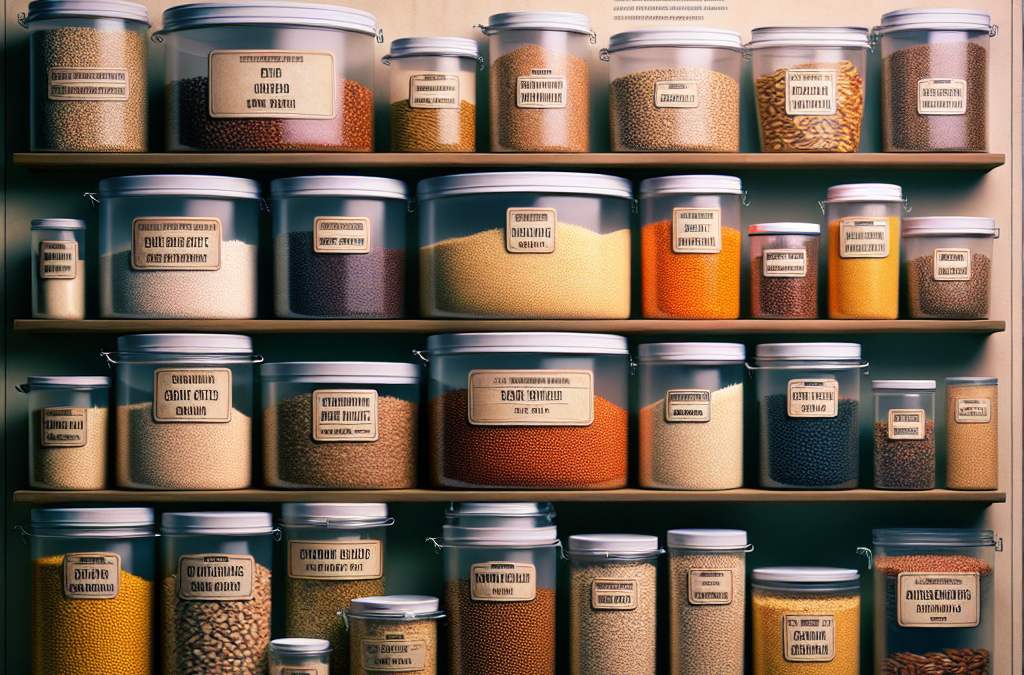
Food supply prepping with grains is a strategic approach to ensuring a reliable food source during emergencies. This process involves selecting a variety of grains, such as rice, wheat, and oats, which are known for their long shelf life and nutritional benefits.
In practical terms, prepping with grains requires careful consideration of both the types of grains you choose and the methods you employ for storage and usage. For instance, whole grains are often more nutritious than refined grains, but they may require different storage conditions to prevent spoilage. Additionally, understanding how to cook and incorporate grains into your diet can help ensure you are prepared not just for emergencies but for daily nutrition as well.
One common mistake in food supply prepping is underestimating the importance of rotation and freshness. Grains can lose their nutritional value over time, especially if not stored properly. It’s essential to regularly check your grain supplies and rotate older stocks to the front, ensuring they are used before newer stocks. This practice not only helps maintain quality but also encourages a more mindful approach to food consumption.
Choosing the Right Grains for Prepping
When selecting grains for prepping, consider their nutritional value, shelf life, and versatility. Grains like quinoa, brown rice, and barley not only provide essential nutrients but also serve as the foundation for numerous meals. Focus on incorporating a variety of grains to ensure a well-rounded diet during emergencies. Each grain type has unique benefits; for instance, quinoa is a complete protein, making it particularly valuable.
Prioritize grains that are well-suited for long-term storage. For instance, white rice can last up to 30 years when stored correctly, while brown rice has a shorter shelf life due to its higher oil content. Understanding the specific properties of each grain can help you make informed choices about what to stockpile.
Another factor to consider is how grains fit into your overall meal planning. Some grains, like oats, can be consumed as breakfast, while others, like quinoa, can serve as a side dish or main ingredient. By diversifying your grain choices, you can maintain a varied and nutritious diet even in challenging circumstances.
Effective Storage Techniques
Proper storage is crucial for extending the shelf life of grains and preserving their nutritional quality. The ideal conditions for storing grains include cool, dry, and dark environments. Airtight containers are essential to prevent moisture and pests from compromising your grain supplies. Mylar bags with oxygen absorbers are an excellent option for long-term storage, as they create an oxygen-free environment that significantly extends shelf life.
Additionally, consider the size of your storage containers. Smaller containers can facilitate easier rotation of your grain stock, allowing you to use older grains first. Labeling your containers with purchase dates can help you keep track of freshness and ensure proper usage.
Regularly check your stored grains for signs of spoilage, such as discoloration or off smells. This proactive approach allows you to address any issues before they affect your food supply. Moreover, maintaining good storage practices can help prevent common pests like weevils from infesting your grains.
Cooking and Incorporating Grains into Your Diet
Incorporating grains into your daily meals is vital for making the most of your food supply prepping efforts. Each type of grain has specific cooking methods that can enhance flavor and texture. For example, soaking beans or whole grains before cooking can reduce cooking time and improve digestibility.
Consider meal prepping grains, such as cooking a large batch of quinoa or rice at the beginning of the week. This practice can save time and ensure you have healthy options ready for quick meals. Additionally, mixing grains into salads, soups, or casseroles can help you create balanced and nutritious dishes.
It’s also essential to experiment with different recipes to keep your meals exciting. Learning how to incorporate grains into breakfast, lunch, and dinner can help you avoid monotony and make the most of your stored food. For instance, oatmeal can be a hearty breakfast, while barley can be a unique addition to salads.
Common Mistakes to Avoid When Prepping with Grains
One of the most significant mistakes in food supply prepping is failing to account for the diverse nutritional needs of your household. Stocking only one type of grain may lead to dietary deficiencies over time. Ensure that you have a variety of grains that provide different nutrients.
Get Whole Wheat Flour, Grains and Milling Supplies – CLICK HERE

Another common pitfall is neglecting to keep track of expiration dates. Regularly rotating your grain stock is vital to maintaining freshness and preventing waste. Many people overlook the importance of this practice, leading to spoiled supplies that cannot be used when needed.
Finally, be cautious about overstocking. While it’s essential to be prepared, over-prepping can lead to wasted food and financial strain. Focus on what your household realistically consumes, and adjust your prepping strategy accordingly.
Further Reading
Authoritative Sources
- Nutrition.gov
nutrition.govA comprehensive resource for understanding the nutritional value of various grains and how to incorporate them into your diet
- Ready.gov
ready.govOfficial site for emergency preparedness that offers tips on food storage and emergency planning
- USDA Agricultural Research Service
ars.usda.govResearch-based information on grain storage techniques and nutritional benefits
- FoodSafety.gov
foodsafety.govGuidance on safe food storage practices to ensure the longevity and safety of your grain supplies
Frequently Asked Questions
What types of grains are best for food supply prepping?
The best grains for prepping include rice, oats, quinoa, and barley due to their long shelf life and nutritional benefits.
How should I store grains for long-term use?
Store grains in airtight containers in a cool, dark, and dry place to prevent spoilage and extend shelf life.
How often should I check my stored grains?
Regularly check your stored grains every few months for signs of spoilage or pest infestation.
Can I use grains that are past their expiration date?
While many grains can remain safe to eat past their expiration date, their quality and nutritional value may decline.
What are common mistakes in food supply prepping with grains?
Common mistakes include underestimating the variety needed, neglecting to rotate stocks, and overstocking supplies.
Conclusion
Food supply prepping with grains is a vital strategy for ensuring food security during emergencies. By carefully selecting a variety of grains, employing effective storage techniques, and incorporating grains into your meals, you can maximize the benefits of your prep efforts. Avoid common mistakes, such as neglecting to rotate stocks and failing to diversify your grain choices, to maintain a sustainable food supply. Start your prepping journey today by evaluating your current grain stocks and implementing the strategies discussed.
Get Whole Wheat Flour, Grains and Milling Supplies – CLICK HERE
Related Content
Auto Amazon Links: No products found.