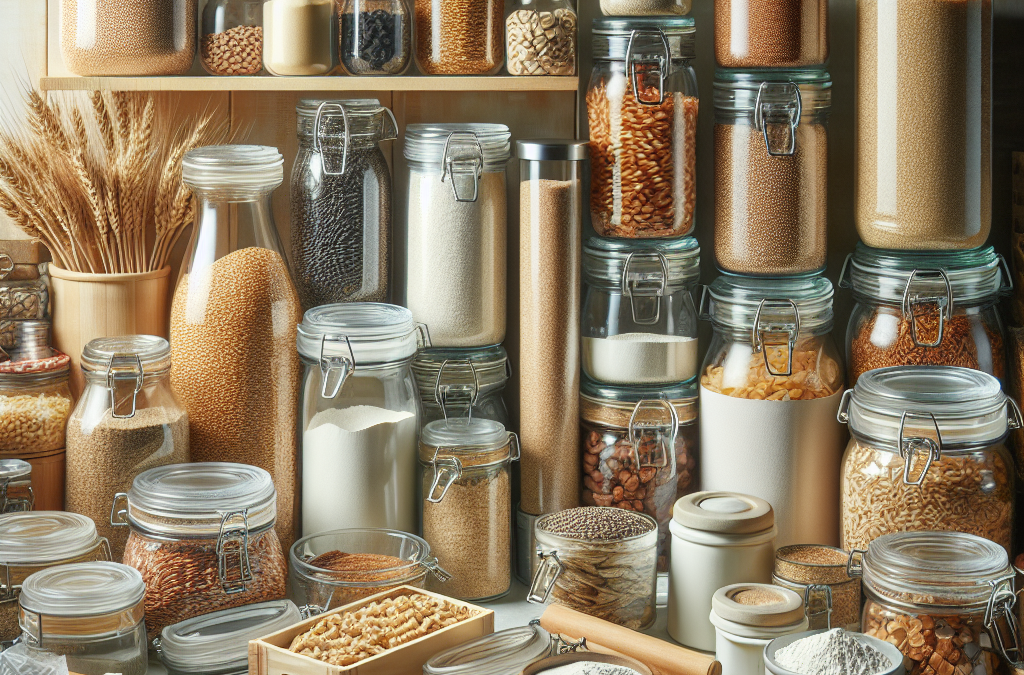
Grain storage for natural disasters is essential for maintaining a reliable food supply during emergencies. Effective grain storage methods protect against spoilage, pests, and environmental factors that can compromise food quality.
Understanding the specific needs of different grains is crucial. For instance, grains such as wheat and rice have varying moisture and temperature requirements for optimal storage. Common mistakes include neglecting to monitor humidity levels or using inappropriate storage containers, which can lead to spoilage or infestations. Prioritizing the right storage conditions and methods can significantly extend the shelf life of grains.
Additionally, it’s important to take into account the duration of potential storage needs. In a natural disaster scenario, access to fresh food can be limited for extended periods, making it essential to have a robust grain storage plan. Awareness of local climate conditions, as well as potential threats like pests or mold, can help in selecting the best storage solutions.
Choosing the Right Storage Containers
When storing grains for natural disasters, selecting the appropriate containers is critical to preserving quality. Airtight containers, such as food-grade plastic buckets or glass jars, can protect grains from moisture and pests. Additionally, using vacuum-sealed bags can further extend shelf life by minimizing air exposure.
Investing in high-quality storage solutions can prevent common issues like mold growth or pest infestations. It’s advisable to label containers with the date of storage and type of grain, making it easier to manage inventory and ensure older grains are used first. Always inspect containers for any signs of damage before use.
Another consideration is the size of the containers. Smaller containers may be more manageable for individuals, while larger ones are suitable for community storage. Balancing convenience and capacity can help optimize storage efficiency.
Optimal Climate Conditions for Grain Storage
The climate in which grains are stored plays a significant role in their preservation. Ideally, grains should be kept in a cool, dry place with low humidity levels. High temperatures and moisture can lead to spoilage and attract pests.
For those in humid climates, using dehumidifiers or silica gel packets in storage containers can help maintain the right environment. Regular monitoring of temperature and humidity levels is essential for ensuring grains remain safe for consumption. This proactive approach can prevent costly losses due to spoilage.
In regions prone to natural disasters, such as floods or hurricanes, it’s wise to elevate storage containers off the ground to avoid water damage. Understanding local weather patterns can aid in planning for effective grain storage.
Common Mistakes in Grain Storage
Many individuals make mistakes when it comes to grain storage, leading to wasted resources. One common error is neglecting to clean grains before storage, which can introduce contaminants that promote spoilage. Always ensure grains are clean and dry before placing them in storage.
Another frequent issue is failing to seal containers properly. Even small gaps can allow moisture and pests to enter, compromising the stored grains. Regularly inspect storage containers for integrity, and replace any that show signs of wear.
Get Whole Wheat Flour, Grains and Milling Supplies – CLICK HERE

Additionally, overlooking the importance of rotation can lead to older grains being forgotten. Implementing a first-in, first-out (FIFO) system ensures that older grains are used before newer ones, maintaining a fresh supply.
Long-Term Storage Solutions
For those preparing for extended periods without access to fresh food, long-term grain storage solutions are vital. Techniques such as freezing grains for a few days before storage can kill potential pests and eggs, making them safer for long-term preservation.
Utilizing Mylar bags with oxygen absorbers is another effective method for long-term grain storage. This combination minimizes oxygen levels, creating an inhospitable environment for pests and mold. It’s essential to store these bags in a cool, dark place to maximize their effectiveness.
Establishing a comprehensive storage plan that includes regular checks and maintenance can ensure grains remain viable for long durations. Prioritizing long-term strategies can safeguard against food shortages during natural disasters.
Further Reading
Authoritative Sources
- Food and Agriculture Organization
fao.orgThis resource provides guidelines on best practices for grain storage and preservation techniques
Frequently Asked Questions
How long can grains be stored for natural disasters?
Grains can generally be stored for several years if kept in ideal conditions, with some types lasting even longer when properly sealed and protected.
What is the best temperature for grain storage?
The optimal storage temperature for most grains is between 50°F and 70°F (10°C to 21°C) to prevent spoilage.
How can I tell if stored grains have gone bad?
Signs of spoilage include an off smell, visible mold, or the presence of pests. If any of these are present, the grains should be discarded.
Can I store grains in plastic bags?
Can I store grains in plastic bags?
Plastic bags are not ideal for long-term storage as they can allow moisture and pests to enter. Use airtight containers or vacuum-sealed bags instead.
What is the first step in preparing grains for storage?
The first step is to clean and dry the grains thoroughly to remove any contaminants that could lead to spoilage during storage.
Get Whole Wheat Flour, Grains and Milling Supplies – CLICK HERE
Related Content
Auto Amazon Links: No products found.