
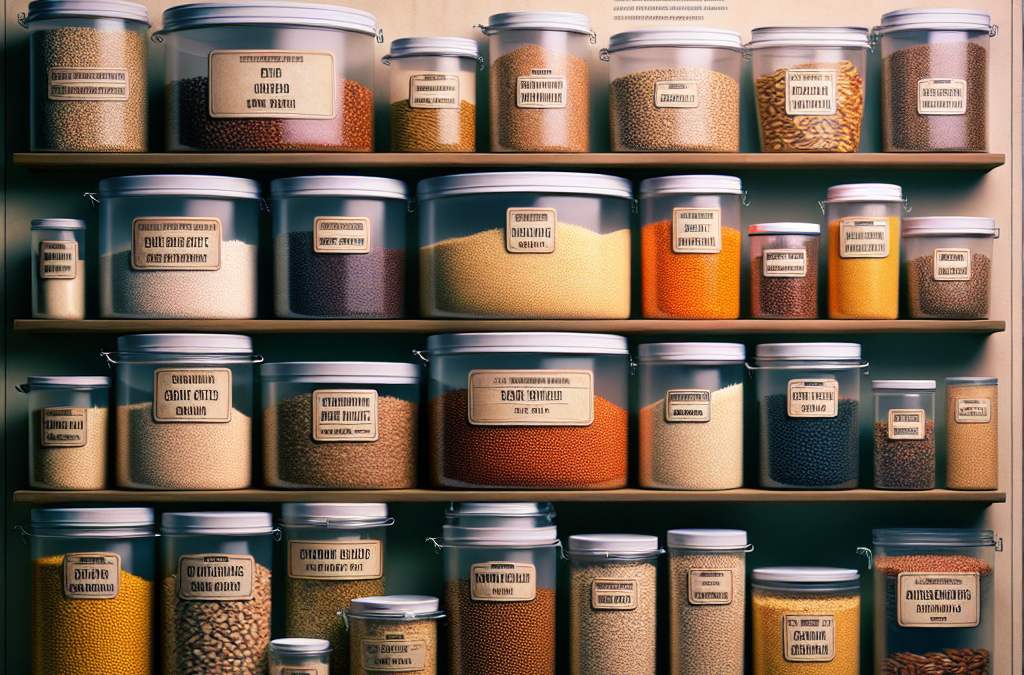
Grains for survival food storage are essential for anyone preparing for emergencies or long-term food scarcity. These grains, which include rice, wheat, oats, and corn, provide a solid source of carbohydrates, vitamins, and minerals.
Understanding the best practices for storing grains is crucial. Improper storage can lead to spoilage or pest infestations, which could compromise food security. Factors like humidity, temperature, and packaging materials play significant roles in how long grains remain viable. It’s important to choose the right containers, such as airtight buckets or mylar bags, and to store them in cool, dry environments to maximize their shelf life.
Another critical aspect of grain storage is pest management. Common pests like weevils and moths can infest stored grains if not properly managed. Regularly inspecting stored grains and using methods such as freezing grains for a short period before storage can help eliminate any potential infestations. Prioritizing these steps not only ensures the longevity of your food supply but also maintains its nutritional value.
Choosing the Right Grains for Storage
When selecting grains for survival food storage, it’s essential to focus on varieties that have a long shelf life and high nutritional value. Rice, wheat, oats, and corn are among the top choices due to their versatility and longevity. For instance, white rice can last up to 30 years when stored properly, making it an excellent staple.
Moreover, it’s important to consider the cooking and preparation methods for each grain. Some grains, like quinoa, offer complete proteins, while others, like barley, are rich in fiber. Balancing your selection can ensure a more varied diet during emergencies. Understanding the nutritional profiles and preparation times can help determine the best grains to include in your storage plan.
Prioritizing grains based on your dietary needs and preferences is also crucial. For example, if gluten is a concern, consider gluten-free options like rice or corn. Additionally, diversifying your grain storage can provide more meal options and improve overall nutrition.
Best Storage Practices for Grains
Proper storage practices are vital for extending the shelf life of grains. Ideally, grains should be stored in airtight containers to prevent moisture and air exposure. Mylar bags with oxygen absorbers are highly effective, as they minimize oxygen levels and reduce the risk of spoilage.
Temperature is another critical factor. Grains should be kept in a cool, dark place, ideally below 70°F (21°C). Higher temperatures can significantly decrease their shelf life. Regularly checking the storage area for temperature and humidity levels can help maintain optimal conditions.
Before storing, it’s advisable to clean and dry grains thoroughly. Removing any debris or damaged grains can prevent mold growth and pest attraction. This step ensures that only the highest quality grains are stored, maximizing their longevity.
Pest Management in Grain Storage
Pest management is a crucial component of grain storage. Pests like weevils can infest grains and lead to significant losses. To prevent infestations, it’s best to freeze grains for a week before storage. This method kills any eggs or larvae present.
Additionally, using food-safe diatomaceous earth can help deter pests. Sprinkling a thin layer in storage containers can create a barrier without harming the grains. Regularly inspecting stored grains for signs of pests is essential to catch infestations early.
It’s also wise to rotate your stock, using older grains first. This practice not only helps maintain freshness but also minimizes the risk of pest issues. Keeping a well-organized storage system can enhance your ability to track grain usage and freshness.
Common Mistakes to Avoid
One common mistake in grain storage is not considering the humidity levels in the storage environment. High humidity can lead to mold growth, while excessively dry conditions can cause grains to become brittle and lose quality. Monitoring and controlling humidity is essential for maintaining grain integrity.
Get Whole Wheat Flour, Grains and Milling Supplies – CLICK HERE

Another mistake is neglecting to check the packaging. Using non-food-grade containers can introduce harmful chemicals or contaminants. Always opt for containers designed for food storage to ensure safety.
Lastly, failing to label containers can lead to confusion and mismanagement of supplies. Clearly labeling containers with the type of grain and the storage date helps track freshness and ensures that you use older grains first. Prioritizing these practices can significantly enhance the effectiveness of your grain storage strategy.
Further Reading
Authoritative Sources
- Food Storage Guidelines
fda.govThis resource provides comprehensive guidelines on food storage, ensuring safety and longevity
- University of Minnesota Extension on Food Storage
extension.umn.eduA detailed guide on best practices for food storage, including grains, from a trusted educational institution
- Nutrition.gov
nutrition.govA government resource for nutritional information and food storage tips
- USDA Agricultural Research Service
ars.usda.govResearch and information on agricultural practices, including grain storage and pest management
Frequently Asked Questions
How long can grains be stored safely?
Most grains can be stored safely for 5 to 30 years, depending on the type and storage conditions.
What are the best containers for grain storage?
Airtight containers such as food-grade buckets, mylar bags with oxygen absorbers, or vacuum-sealed bags are ideal for grain storage.
Can I store grains in plastic bags?
Plastic bags are not recommended for long-term storage as they can allow air and moisture to enter, leading to spoilage.
What should I do if I find pests in my stored grains?
If pests are found, discard infested grains and thoroughly clean the storage area. Consider using diatomaceous earth or freezing grains before storage to prevent future infestations.
Is it necessary to rotate my grain stock?
Yes, rotating grain stock ensures that older grains are used first, preventing spoilage and maintaining freshness.
Conclusion
To effectively utilize grains for survival food storage, prioritize selecting the right varieties, implementing best storage practices, and managing pests diligently. By understanding the nuances of grain storage, you can ensure a reliable food supply for emergencies. Remember to regularly check your grains, rotate your stock, and maintain optimal storage conditions. This proactive approach will help you maintain a nutritious and sustainable food reserve for the long haul.
Get Whole Wheat Flour, Grains and Milling Supplies – CLICK HERE
Related Content
- Top 10 Effective Whole Grain Storage Solutions for 2025: Ultimate Guide
- The Ultimate Guide to Grain Storage for Families: 7 Effective Tips for 2025
- The 7 Best Homestead Grain Storage Strategies for 2025
- The Ultimate Guide to How to Store Food in Buckets in 2025: 7 Effective Tips
- Advanced Techniques for Long-Term Flour Storage
Auto Amazon Links: No products found.





