
In these difficult (and expensive) times, food storage is important. We’ve discussed several options for wheat and grain storage. We’ve also discussed organizing our pantry and fridge. Let’s discuss how to store your produce
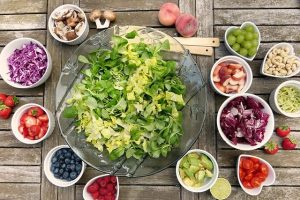 When it comes to fresh produce, the biggest concern is how to store it in order to keep it fresh for as long as possible. Each different type of fruit and vegetable has different recommendations as far as how it is stored. When you understand a little more about proper storage, you will be able to reduce waste and have the best tasting fruits and veggies possible.
Know Your Ethylene Produce
There are some fruits that give off a gas called ethylene, which is naturally produced from ripening fruit. You probably have not noticed it much, except when other fruits or vegetables tend to spoil more rapidly if an ethylene-producing fruit is stored near it. Some produce that give off this gas include:
- Bananas
- Cantaloupe
- Apples
- Avocados
- Honeydew
If you keep these fruits near foods that are sensitive to it, they might spoil a lot faster, which is why it is important to know what they are. The fruits and veggies that are sensitive to ethylene include:
- Lettuce
- Broccoli
- Potatoes
- Cabbage
What to Store in the Refrigerator
Let’s start with produce that does best when stored in cooler temperatures in the refrigerator. While most of these can also be stored at room temperature, they won’t fair nearly as well as likely spoil before you get a chance to consume them. Produce that does better in the refrigerator, include:
- Berries
- Apples
- Asparagus
- Grapes
- Cherries
- Carrots
- Bell peppers
- Lettuce and greens
What to Store at Room Temperature
There are also some types of produce that actually do better when they are stored at room temperature. This doesn’t mean you can’t put them in the refrigerator, but it is often not necessary. This includes:
Melons, like cantaloupe and watermelon
Bananas
Avocados
Mangoes
Peaches
Pears
Pineapple
Potatoes
Quick Tip for Storing Greens
When it comes to storing your fresh greens, including lettuce and leafy greens like spinach and kale, you want to make sure you reduce moisture as much as possible. The moisture is what is going to cause it to spoil more quickly. If you are rinsing it before storing, use a salad spinner first to remove excess water, then place it in a bag or storage container lined with paper towels. Those will soak up any remaining excess moisture, and help it to last a little longer.
Sometimes, it is about experimenting and see how your produce does when stored in various ways.
Popular Questions
How should I store my produce to keep it fresh longer?
Store produce according to whether it ripens at room temperature or needs refrigeration. Keep ripe fruits and most vegetables in the refrigerator, while items such as bananas, potatoes, onions, and garlic are generally best kept in a cool, dry, well-ventilated place. Remove damaged pieces promptly and avoid washing produce until you are ready to use it unless it will be dried completely.
How should I store my produce in the refrigerator?
Use the refrigerator drawers to separate fruits from vegetables when possible, since some fruits release ethylene gas that can cause nearby vegetables to spoil faster. Keep leafy greens and herbs loosely wrapped in a towel or breathable bag to manage moisture, and use perforated bags for vegetables that need airflow. Do not pack drawers tightly, because circulation helps prevent condensation and mold.
What containers should I use when storing my produce?
Choose breathable bags, vented containers, or reusable produce storage bins rather than sealing every item in an airtight container. Airtight storage can trap moisture and make berries, greens, and other delicate produce spoil quickly. For cut produce, use clean airtight containers, label them with the date, and refrigerate them promptly.
How should I store my produce after cutting or washing it?
Dry washed produce thoroughly before storing it, because excess water encourages bacterial growth and mold. Place cut fruits and vegetables in clean, covered containers and refrigerate them within two hours, or within one hour if the surrounding temperature is above 90°F. Use cut produce within a few days and discard anything with an off smell, slimy texture, or visible mold.
Auto Amazon Links: No products found.





