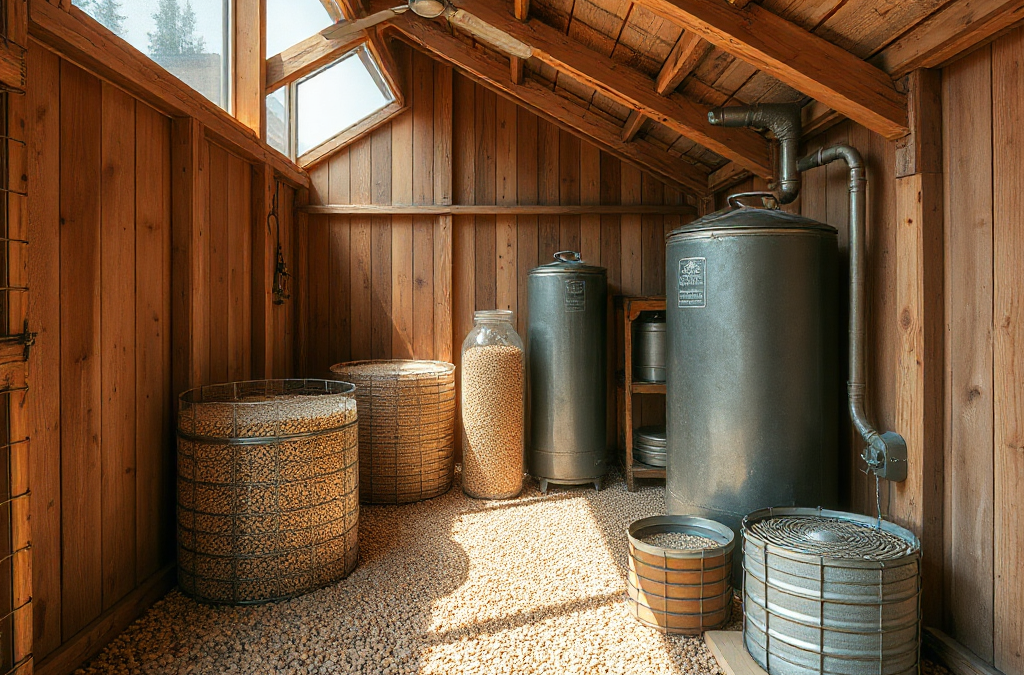
To build a grain storage system, begin by selecting a dry, well-ventilated location that minimizes moisture exposure and prevents spoilage. Choose appropriate storage containers such as silos or airtight bins, ensuring they are durable and suited to the volume of grain. Incorporate aeration systems to control temperature and humidity, which are vital for maintaining grain quality. Regular inspections are essential to identify any signs of spoilage or pest activity, allowing for timely interventions that protect your stored grain.
Choosing the Right Location
Choosing the right location is crucial for building an effective grain storage system. The area should be dry, well-drained, and away from direct sunlight to minimize moisture absorption and prevent spoilage. Ideally, the chosen site should have good airflow to promote ventilation, which is essential for maintaining the quality of the stored grain.
Consider potential environmental factors such as flooding or nearby water sources, as these can lead to increased humidity and spoilage risks. Additionally, accessibility for transportation and regular maintenance should be taken into account. A location that allows easy access for loading and unloading grain will enhance operational efficiency.
Selecting Storage Containers
The choice of storage containers significantly impacts the longevity and quality of the grain. Options include silos, bins, and airtight containers. Silos are ideal for large-scale storage, while bins are suitable for smaller quantities. Airtight containers are excellent for maintaining freshness and preventing pest infestations.
When selecting containers, ensure they are made from durable materials that can withstand environmental challenges. Consider features such as temperature control systems, which can help regulate the internal climate of the storage unit. The size and shape of containers should also align with the volume of grain being stored to maximize efficiency.
Maintaining Optimal Conditions
Maintaining optimal conditions inside the storage unit is critical for preserving grain quality. This involves controlling temperature and humidity levels, as both factors can significantly affect grain integrity. Implementing aeration systems can help regulate temperature and prevent moisture buildup.
Regular monitoring of internal conditions using sensors can provide real-time data on temperature and humidity levels. This allows for timely interventions to adjust conditions as needed. Additionally, incorporating fans can enhance air circulation, reducing the risk of mold growth and spoilage.
Get Whole Wheat Flour, Grains and Milling Supplies – CLICK HERE

Regular Inspection and Maintenance
Regular inspection and maintenance of the grain storage system are essential for identifying potential issues before they escalate. This includes checking for signs of spoilage, pest infestations, and structural integrity of the storage containers.
Establish a routine inspection schedule to assess the condition of the grain and the storage environment. This proactive approach will help ensure that any problems are addressed promptly. Additionally, maintaining a clean storage area will reduce the likelihood of pest attraction and contamination.
In practice, strong results with How to Build a Grain Storage System: Essential Steps and Materials usually come from repeating the same few priority actions long enough for them to become consistent. That means focusing on one clear standard, removing mixed signals, and watching what changes the outcome over several days instead of reacting to one isolated result. Small adjustments tend to work better than constant resets, because they make it easier to see what is actually helping and what is slowing progress.
Get Whole Wheat Flour, Grains and Milling Supplies – CLICK HERE
Auto Amazon Links: No products found.