Building food storage is crucial for ensuring that you can preserve food for long periods while maintaining its quality and safety. This process involves selecting the right containers, understanding the ideal storage conditions, and organizing your food types according to their shelf life.
First and foremost, consider the types of containers you will use for storage. Airtight containers are essential to keep moisture and pests away, which can compromise food quality. Additionally, it’s important to understand the environmental factors that can affect your food storage. Temperature, humidity, and light exposure can significantly impact the longevity of your stored items, making it vital to select a suitable location for your food storage.
Many people overlook the importance of regularly rotating their food stock, which can lead to spoilage and waste. Implementing a first-in, first-out (FIFO) system ensures that older items are used before newer ones, helping to maintain freshness and minimize losses. Understanding the specific needs of different food types can also enhance your storage strategy. For instance, dry goods require different conditions compared to canned or frozen items.
Choosing the Right Containers
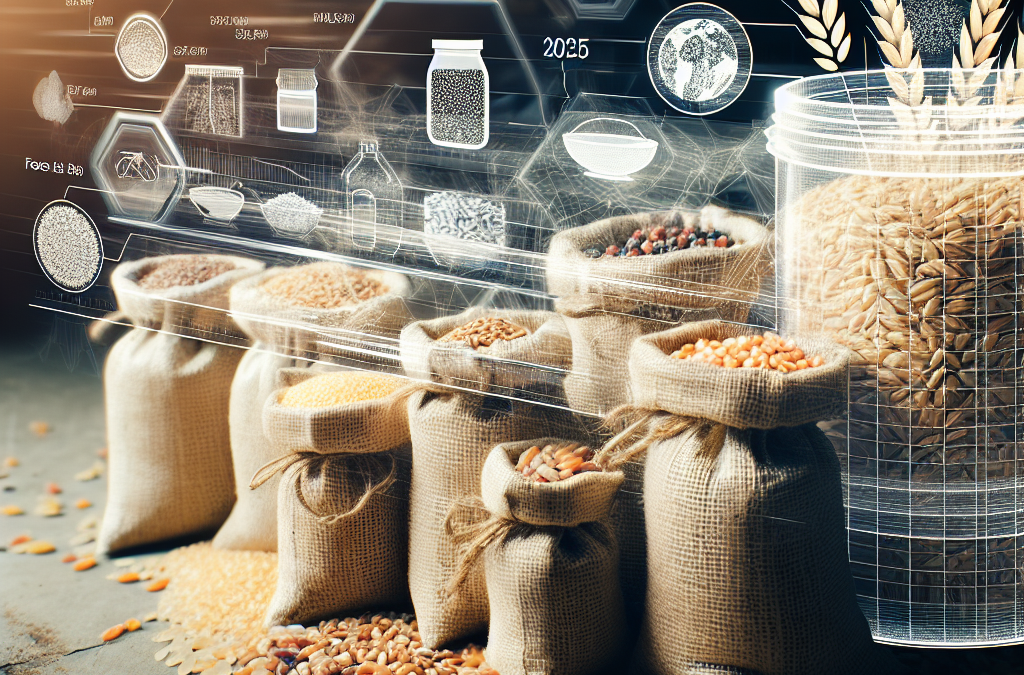
Choosing the right containers is a foundational step in building effective food storage. Airtight containers made from glass or high-quality plastic are recommended, as they prevent moisture and pests from compromising your food. Ensure that the containers are of appropriate size and can accommodate the volume of food you plan to store.
When selecting containers, consider the specific food types you will be storing. For example, dry goods like grains and beans benefit from vacuum-sealed bags, while liquids are best stored in jars with airtight lids. It’s also wise to label containers with the contents and the date of storage to keep track of freshness.
Another common oversight is using containers that are not food-safe. Avoid containers that previously held chemicals or non-food items, as residues can contaminate your food. Prioritize purchasing containers specifically designed for food storage to ensure safety and longevity.
Optimal Storage Conditions
Optimal storage conditions are crucial for maximizing the shelf life of your food. Temperature control is one of the most significant factors to consider; most foods are best stored in cool, dark places. A temperature range of 50°F to 70°F is ideal for most non-perishable items.
Humidity levels can also affect food quality. High humidity can lead to mold growth, while low humidity can cause dryness and spoilage. Use a hygrometer to monitor humidity levels in your storage area, aiming for a relative humidity of around 30-50%. Additionally, avoid exposing food to direct sunlight, which can degrade quality over time.
Regularly check your storage area for any signs of pests or spoilage. Maintaining cleanliness and organization will help you quickly identify any issues that arise, ensuring that your food remains safe for consumption.
Organizing Your Food Storage
Organizing your food storage effectively can save you time and help you manage your inventory better. Group similar items together and arrange them by their expected shelf life. For example, place items that expire soonest at the front to encourage their use before they spoil.
Using clear bins or labels can enhance visibility and accessibility, making it easier to find what you need when cooking or preparing meals. Consider creating a master list of stored items, noting their expiration dates and locations, to streamline inventory management.
Prioritizing organization also helps in reducing food waste. By clearly marking and categorizing your items, you can easily identify what needs to be used, preventing items from being forgotten at the back of the pantry.
Get Whole Wheat Flour, Grains and Milling Supplies – CLICK HERE

Common Mistakes to Avoid
Avoiding common mistakes can significantly enhance the effectiveness of your food storage system. One frequent error is overpacking containers, which can lead to poor air circulation and spoilage. Ensure that containers are filled appropriately, leaving enough space for air to circulate.
Another mistake is neglecting to regularly check your food supply. Establishing a routine for inspecting your stored items helps you identify any spoilage issues early on and allows you to adjust your storage practices accordingly.
Many people also underestimate the importance of temperature and humidity control. Investing in a thermometer and hygrometer can help you maintain optimal conditions, ensuring the longevity of your stored food.
Further Reading
Authoritative Sources
- USDA Food Safety and Inspection Service
fsis.usda.govThis resource provides guidelines on food storage safety and best practices for preserving food quality
- FoodSafety.gov
foodsafety.govA comprehensive resource for food safety, including storage tips and regulations to follow
- Academy of Nutrition and Dietetics
eatright.orgThis organization offers practical advice on food storage and waste reduction strategies
Frequently Asked Questions
What is the best way to store dry goods?
The best way to store dry goods is in airtight containers in a cool, dark place to prevent moisture and pests.
How long can food be stored safely?
Food storage times vary by type, with dry goods lasting up to 1-2 years, canned goods 2-5 years, and frozen items up to 1 year.
Is it safe to store food in plastic containers?
Yes, but ensure they are food-safe and BPA-free to prevent chemical leaching into your food.
How can I tell if food has gone bad?
Signs of spoilage include off smells, discoloration, mold, or changes in texture. Always inspect food before use.
What are the best practices for freezing food?
Best practices include using freezer-safe containers, labeling items with dates, and removing as much air as possible to prevent freezer burn.
Conclusion
Building an effective food storage system is essential for preserving food quality and minimizing waste. Start by choosing the right containers and ensuring optimal storage conditions, followed by organizing your food items effectively. Avoid common mistakes such as overpacking and neglecting regular checks. By prioritizing these strategies, you can create a sustainable food storage solution that meets your needs and ensures the longevity of your food supply.
Get Whole Wheat Flour, Grains and Milling Supplies – CLICK HERE
Related Content
Auto Amazon Links: No products found.