Long term prepping food supply is crucial for ensuring that you have adequate nutrition during emergencies or unforeseen disruptions. This involves not only accumulating a variety of non-perishable foods but also understanding how to store them properly to maximize their shelf life and nutritional value.
When preparing your food supply, it’s important to prioritize foods that not only store well but also meet your dietary needs. Many individuals make the mistake of focusing solely on quantity without considering nutritional balance. This can lead to deficiencies over time. Additionally, understanding the ideal storage conditions—such as temperature, humidity, and light exposure—can significantly affect the longevity of your food items.
A common pitfall in long term prepping is failing to rotate supplies. Many people stock up on food but neglect to consume older items, leading to waste. Regularly checking your inventory and using a first-in, first-out method ensures that your supplies remain fresh and safe for consumption.
Choosing the Right Foods for Long Term Storage
Selecting the right foods is fundamental to building a resilient long term prepping food supply. Non-perishable items such as rice, beans, pasta, and canned vegetables are excellent choices due to their long shelf life and versatility in meal preparation. Foods that are high in calories and nutrients, like peanut butter and dried fruits, are also beneficial as they provide energy and essential vitamins.
Many people overlook the importance of variety in their food supply. Relying solely on a few staple items can lead to boredom and decreased morale during extended periods of reliance on stored food. Incorporating a mix of flavors and textures can make meals more enjoyable and encourage consumption. Additionally, be aware of dietary restrictions or preferences within your household to ensure that everyone has access to suitable options.
When selecting items, consider their storage requirements. Some foods may need to be vacuum sealed or kept in cool, dark places to prevent spoilage. It’s also wise to check expiration dates and choose items that will last the longest. Remember that a well-rounded food supply will not only sustain you but will also support mental well-being during challenging times.
Effective Storage Techniques for Prepped Foods
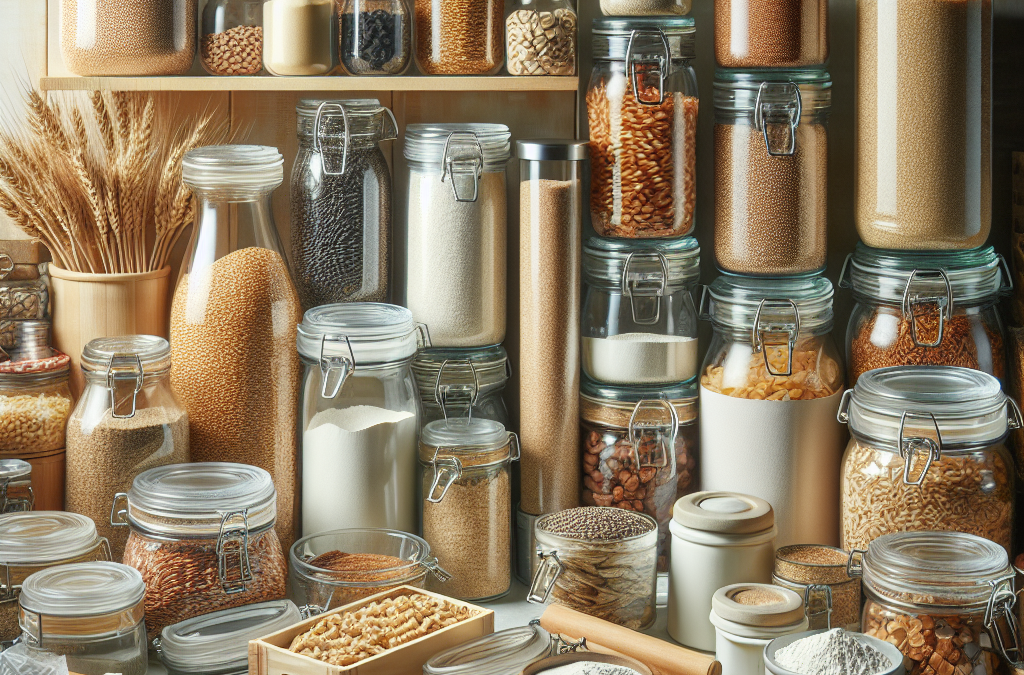
Proper storage techniques are vital for maintaining the integrity of your long term prepping food supply. Airtight containers, such as Mylar bags with oxygen absorbers or food-grade plastic buckets, can significantly extend the shelf life of dry goods. Canned foods should be stored in a cool, dark place, as light and heat can degrade their quality.
Temperature control is another crucial factor. Ideally, food should be stored at temperatures below 70°F (21°C). Fluctuations in temperature can cause condensation, leading to spoilage. Regularly checking the environment where your food is stored can help mitigate risks associated with temperature changes. Additionally, labeling containers with purchase dates can help you track freshness and prioritize consumption.
Consider investing in a food dehydrator or vacuum sealer for DIY preservation methods. These tools can allow you to extend the life of fresh produce and create custom meal kits tailored to your preferences. Remember that the effort you put into proper storage will pay off in the long run by ensuring that your food supply remains safe and nutritious.
Common Mistakes in Food Prepping
One of the most prevalent mistakes in food prepping is overestimating the shelf life of certain items. While many foods can last for years, others have much shorter lifespans. For example, while canned goods can last indefinitely if stored properly, items like flour and sugar can degrade in quality over time if not sealed correctly.
Another common error is neglecting to account for water storage. Water is essential for cooking and hydration, yet many preppers focus solely on food without planning for adequate water reserves. Aim to store at least one gallon of water per person per day for a minimum of three days, and consider longer-term needs as well.
Additionally, failing to regularly rotate your food supply can lead to waste. It’s important to integrate your stored foods into your regular diet and replace them to keep your prepper pantry fresh. Establishing a system for checking expiration dates and using older items first can prevent spoilage and ensure that your supplies remain viable.
Get Whole Wheat Flour, Grains and Milling Supplies – CLICK HERE

Nutritional Considerations for a Long Term Supply
Nutritional balance is essential when planning your long term prepping food supply. While it may be tempting to stock up on calorie-dense foods, it’s important to include a variety of nutrients to maintain health over time. Aim for a balance of carbohydrates, proteins, and fats, as well as vitamins and minerals.
Consider incorporating fortified foods or supplements to address potential deficiencies. For example, vitamin D and calcium are often lacking in long-term food storage plans, especially if dairy products are not included. Additionally, remember to account for the dietary needs of all family members, including children, elderly individuals, and those with specific health conditions.
Planning meals ahead of time can also help ensure that nutritional needs are met. Create a meal plan that incorporates the foods you’ve stored while considering variety and dietary restrictions. This proactive approach will not only keep morale high but also support overall health during extended periods of food supply reliance.
Further Reading
Authoritative Sources
- Emergency Food Supply Planning
ready.govThis resource offers guidelines on how to plan and prepare your emergency food supply effectively
- Food Safety and Preservation
fda.govThe FDA provides comprehensive information on food safety practices to enhance the longevity of stored foods
- USDA Food Storage Guidelines
nal.usda.govThe USDA offers detailed guidelines on food storage and safety to help extend shelf life
Frequently Asked Questions
What types of foods are best for long term prepping?
Non-perishable foods like grains, legumes, canned goods, and freeze-dried items are ideal for long term prepping.
How should I store my prepping food supply?
Airtight containers in a cool, dark place are essential for maintaining the quality of your food.
How often should I rotate my food supply?
Regularly check and use older items first to ensure freshness, ideally every 6-12 months.
What is the recommended water storage for prepping?
Store at least one gallon of water per person per day for a minimum of three days.
How can I ensure nutritional balance in my food supply?
Incorporate a variety of foods that provide carbohydrates, proteins, fats, vitamins, and minerals.
Get Whole Wheat Flour, Grains and Milling Supplies – CLICK HERE
Related Content
Auto Amazon Links: No products found.