Effective emergency food storage requires understanding the types of foods that last long-term, how to package them correctly, and how to store them in a way that maximizes shelf life. Many people overlook the importance of proper storage conditions, which can lead to spoilage or contamination. Additionally, understanding the balance between variety and nutrition can help maintain morale and health during prolonged emergencies.
One common mistake is to focus solely on canned goods and neglect other food types, such as grains, legumes, and dehydrated options, which can provide essential nutrients. Furthermore, it’s vital to consider factors like space, budget, and dietary restrictions when setting up your emergency food storage. Prioritizing these aspects will lead to a more effective and reliable stockpile.
Choosing the Right Foods for Emergency Storage
When setting up emergency food storage, selecting the right foods is paramount. Focus on non-perishable items that have a long shelf life, such as canned vegetables, fruits, meats, dried grains, and legumes. Additionally, consider including high-energy items like nuts and granola bars, which can provide essential calories during emergencies.
Diversity in food choices is essential to ensure a balanced diet. While canned goods are convenient, they should be complemented with other food types to provide necessary vitamins and minerals. For example, incorporating freeze-dried fruits and vegetables can help maintain nutritional value and flavor variety.
Another important factor is to account for dietary restrictions and preferences of all family members. This consideration will help prevent food waste and ensure that everyone has access to meals they can eat. Regularly reassessing your food choices based on changing needs is also a wise practice.
Storage Containers and Techniques
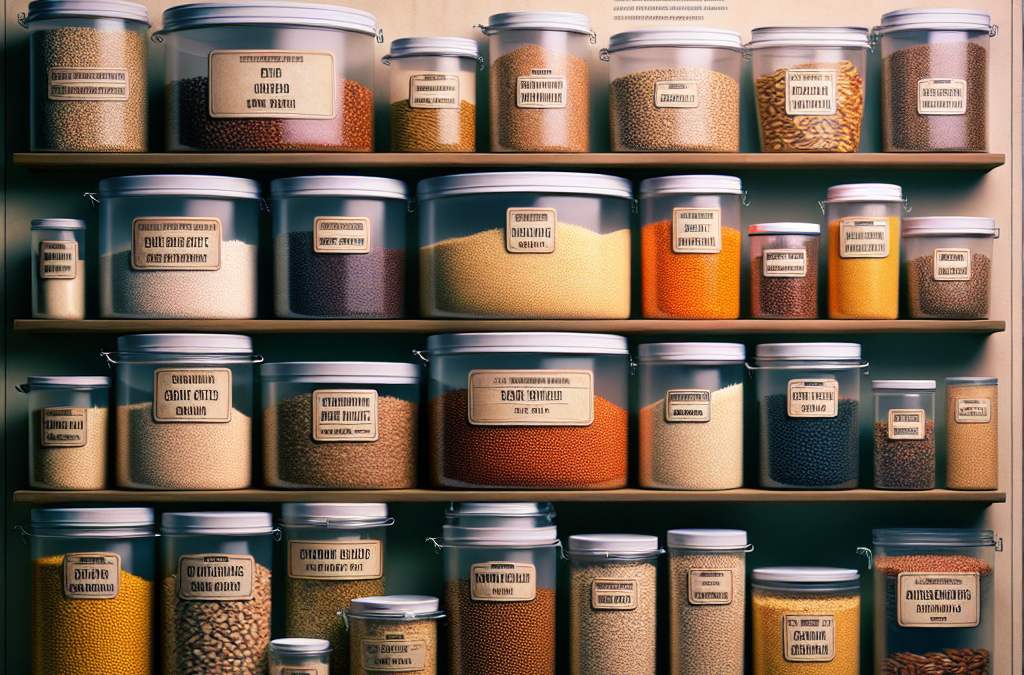
Proper storage containers play a critical role in maintaining the integrity of your emergency food supply. Use airtight containers made of food-safe materials to prevent moisture, pests, and air from damaging your food. Mylar bags, vacuum-sealed containers, and glass jars are excellent options for long-term storage.
Temperature and humidity are also crucial factors to consider. Ideally, food should be stored in a cool, dark, and dry place to maximize shelf life. Attics and garages may not be suitable due to temperature fluctuations, while basements can be too humid. Opt for a dedicated storage space that maintains consistent conditions.
Labeling your containers with dates and contents will help you keep track of what you have and when it should be consumed. This practice is essential for ensuring that you rotate your stock and consume older items first.
Establishing a Rotation System
A rotation system ensures that your emergency food storage remains fresh and usable. Implementing a first-in, first-out (FIFO) method is an effective strategy. This means consuming the oldest items in your stockpile first and replacing them with new purchases.
Regularly inspecting your food storage is also vital. Check expiration dates, look for signs of spoilage or pest infestation, and replace any compromised items promptly. This proactive approach will help maintain a reliable food supply.
Incorporating meal planning into your routine can further enhance your rotation system. By planning meals around what you have stored, you can ensure that nothing goes to waste and that you are using your emergency supplies effectively.
Get Whole Wheat Flour, Grains and Milling Supplies – CLICK HERE

Common Mistakes to Avoid
One of the most significant mistakes people make is not considering the caloric needs of their household. It’s crucial to ensure that your food storage can provide sufficient calories, especially during stressful situations when energy demands may increase.
Another common error is failing to account for food preferences and dietary restrictions, leading to wasted resources. Always involve family members in the planning process to ensure that the food stored is something everyone will eat.
Lastly, neglecting to update and maintain your emergency food storage can lead to spoilage. Regularly revisiting your stock, checking for expiration dates, and replacing items will keep your supplies ready for use when needed.
Further Reading
Authoritative Sources
- Emergency Food Supply
ready.govThis resource provides guidelines on how to prepare an emergency food supply, including recommended food items and storage tips
- Food Safety Modernization Act
fda.govLearn about food safety standards and how they apply to long-term food storage
- Food Safety and Storage
nutrition.govThis site offers valuable information on safe food storage practices to maximize shelf life
Frequently Asked Questions
What types of food should I store for emergencies?
Focus on non-perishable items like canned goods, grains, legumes, and freeze-dried foods that have a long shelf life.
How should I store my emergency food?
Use airtight containers in a cool, dry, and dark place to protect your food from moisture and pests.
How often should I check my emergency food supply?
Inspect your emergency food supply at least every six months to check for expiration dates and signs of spoilage.
What is the best way to rotate my emergency food stock?
Implement a first-in, first-out (FIFO) system, consuming the oldest items first to maintain freshness.
How can I include dietary restrictions in my emergency food planning?
Involve all family members in the planning process to ensure the food stored meets everyone’s dietary needs and preferences.
Conclusion
Setting up emergency food storage is an essential aspect of preparedness that requires careful planning and consideration. By choosing the right foods, utilizing proper storage techniques, and implementing an effective rotation system, you can ensure that your food supply remains fresh and nutritious. Avoiding common mistakes, such as neglecting dietary needs and overlooking maintenance, will further enhance your readiness for emergencies. Start today by assessing your current food storage and making necessary adjustments to secure your family’s well-being during unforeseen circumstances.
Get Whole Wheat Flour, Grains and Milling Supplies – CLICK HERE
Auto Amazon Links: No products found.