Storing grains with oxygen absorbers is a highly effective method for prolonging shelf life and maintaining nutritional quality. Oxygen absorbers remove excess oxygen from storage containers, preventing spoilage, oxidation, and pest infestations.
Using oxygen absorbers is not just about extending shelf life; it also enhances the quality of stored grains. Without oxygen, the growth of mold and bacteria is inhibited, reducing the risk of foodborne illnesses. Additionally, this method preserves the grains’ flavor, texture, and nutritional value, which can degrade when exposed to air. However, it is crucial to understand the correct usage of oxygen absorbers, including how to calculate the required amount based on the volume of grains being stored.
A common mistake in storing grains is underestimating the importance of airtight containers. Even with oxygen absorbers, if the container is not sealed properly, air can leak in, rendering the absorbers ineffective. Furthermore, selecting the wrong type of container can lead to moisture absorption, which can compromise grain quality. Therefore, it is essential to prioritize high-quality, airtight packaging for optimal results.
Understanding Oxygen Absorbers
Oxygen absorbers are small packets filled with iron powder that react with oxygen, effectively removing it from the environment in which they are placed. This reaction helps to prevent oxidation, which can lead to rancidity and spoilage in grains. When using oxygen absorbers, it’s essential to select the right type based on the specific storage needs of your grains.
Different oxygen absorbers are available, with varying capacities for oxygen removal. For example, a typical 100cc oxygen absorber can effectively remove oxygen from about 1 gallon of grain. Understanding the specifications and limitations of these absorbers is crucial for successful grain storage. The environment in which the absorbers are used also matters; they work best in low-humidity conditions, so consider the storage location’s moisture levels as well.
Many people overlook the importance of using oxygen absorbers in combination with other preservation methods. While they are highly effective on their own, using them alongside vacuum sealing or Mylar bags can provide an additional layer of protection against moisture and pests. Prioritizing these combinations can significantly enhance the longevity and safety of your stored grains.
Choosing the Right Storage Containers
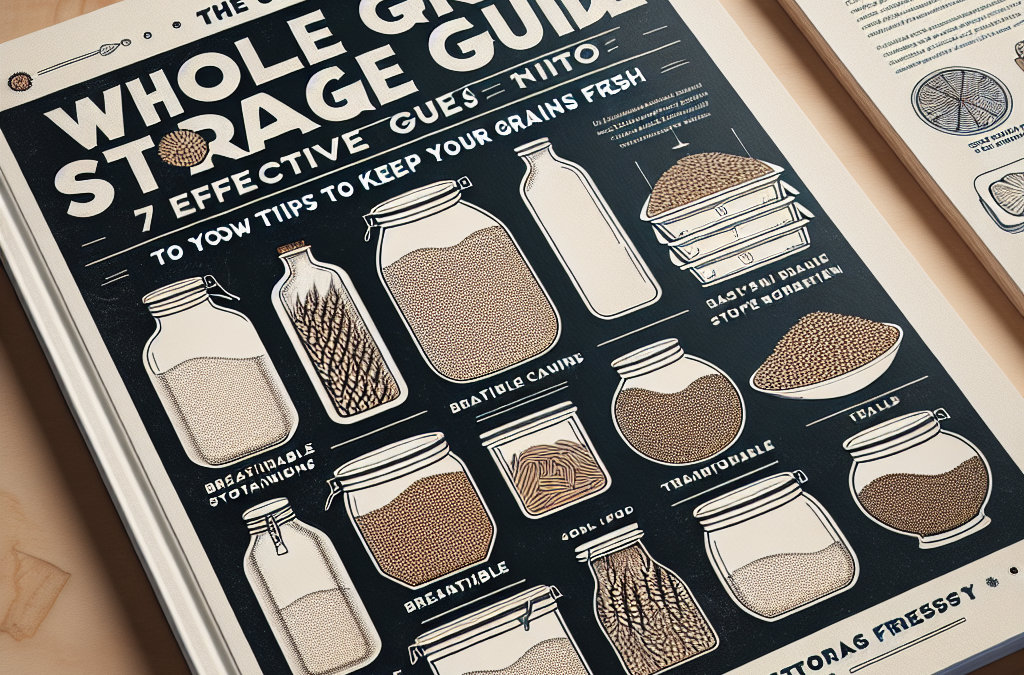
The effectiveness of oxygen absorbers heavily relies on the storage container used. Airtight containers made from materials like glass, metal, or high-quality plastic are ideal for grain storage. These materials not only keep out air but also prevent moisture ingress, which can lead to spoilage.
When selecting containers, consider the size and shape that best suits your storage needs. For larger quantities, food-grade buckets with tight-fitting lids are often recommended. Glass jars can be used for smaller amounts and allow for easy visibility of contents. It’s also important to ensure that containers are clean and dry before adding grains and oxygen absorbers.
A common pitfall is reusing containers that previously held other products without proper cleaning. Residues can contaminate the grains, leading to spoilage or off-flavors. Always prioritize using dedicated storage containers for grains to maintain their quality and safety.
Calculating the Amount of Oxygen Absorbers Needed
To maximize the effectiveness of oxygen absorbers, it’s essential to calculate the correct amount needed based on the volume of grains being stored. Generally, a 100cc oxygen absorber is suitable for approximately 1 gallon of grains. However, factors like the type of grain and storage conditions can influence the exact requirements.
For example, if you are storing 5 gallons of wheat, you would typically need about five 100cc absorbers. However, for grains with higher oil content, such as brown rice, you might need to use more absorbers due to their increased susceptibility to spoilage. Always refer to the manufacturer’s guidelines for specific recommendations on usage.
Get Whole Wheat Flour, Grains and Milling Supplies – CLICK HERE

Many individuals underestimate the importance of replacing absorbers if they are not used immediately. Oxygen absorbers are designed for single use; once they are exposed to air, they begin to lose their effectiveness. Therefore, if you open a package of absorbers but do not use them all at once, store the remaining absorbers in a sealed environment to prolong their shelf life.
Common Mistakes to Avoid
One of the most frequent mistakes people make when storing grains with oxygen absorbers is failing to properly seal the containers. Even minor leaks can allow air to enter, negating the benefits of using oxygen absorbers. It is vital to inspect containers for any damage or poor seals before use.
Another common error is not monitoring the humidity levels in the storage area. High humidity can lead to condensation inside containers, which can spoil grains even if oxygen levels are low. Using desiccants in conjunction with oxygen absorbers can help mitigate this risk by absorbing excess moisture.
Lastly, many underestimate the importance of labeling stored grains. Clear labeling with dates can help track freshness and ensure that grains are rotated properly. Additionally, this practice helps prevent confusion and ensures that older grains are used first, maintaining the overall quality of your storage.
Further Reading
For those interested in delving deeper into the topic of grain storage, consider exploring official agricultural resources or publications by food safety organizations. These sources provide comprehensive guidelines and best practices for effective grain preservation techniques.
Further Reading
Authoritative Sources
- MedlinePlus
medlineplus.govConsumer-friendly medical and health information from the U.S. National Library of Medicine.
- National Institutes of Health
nih.govResearch-based health information and links to authoritative medical resources.
- Centers for Disease Control and Prevention
cdc.govOfficial public health guidance, prevention resources, and topic-specific recommendations.
- Mayo Clinic
mayoclinic.orgTrusted clinical guidance, symptom explainers, and treatment overviews.
- World Health Organization
who.intGlobal health guidance, fact sheets, and evidence-based public health information.
Frequently Asked Questions
What are oxygen absorbers and how do they work?
Oxygen absorbers are packets filled with iron powder that chemically react with oxygen, effectively removing it from sealed containers to prevent spoilage.
How long can grains be stored using oxygen absorbers?
When stored properly with oxygen absorbers, grains can last several years, maintaining their quality and safety.
Do I need to vacuum seal grains before using oxygen absorbers?
While not mandatory, vacuum sealing grains before adding oxygen absorbers can enhance preservation by removing air and moisture.
Can I reuse oxygen absorbers?
No, oxygen absorbers are designed for single use. Once exposed to air, they lose their effectiveness and should be discarded.
What types of containers are best for storing grains with oxygen absorbers?
Airtight containers made from glass, metal, or high-quality plastic are ideal for storing grains with oxygen absorbers.
Conclusion
Storing grains with oxygen absorbers is an effective strategy for preserving quality and extending shelf life. By understanding the role of oxygen absorbers, choosing the right containers, and avoiding common pitfalls, you can ensure that your grains remain safe and nutritious for years. Prioritizing proper sealing, monitoring humidity, and replacing absorbers as needed will further enhance your grain storage practices. Take these steps to maximize the effectiveness of your storage solutions and enjoy the benefits of long-lasting grains.
Get Whole Wheat Flour, Grains and Milling Supplies – CLICK HERE
Related Content
- Grain Storage With Long Shelf Life: Essential Methods for Effective Preservation
- Crafting Custom Grain Storage Labels for Organization
- Looking for a High Quality Hand-powered Grain Mill?
- The Ultimate Guide to Grain Storage and Organization Strategies for 2025
- Whole Grain Sourdough: Techniques for Beginners
Auto Amazon Links: No products found.