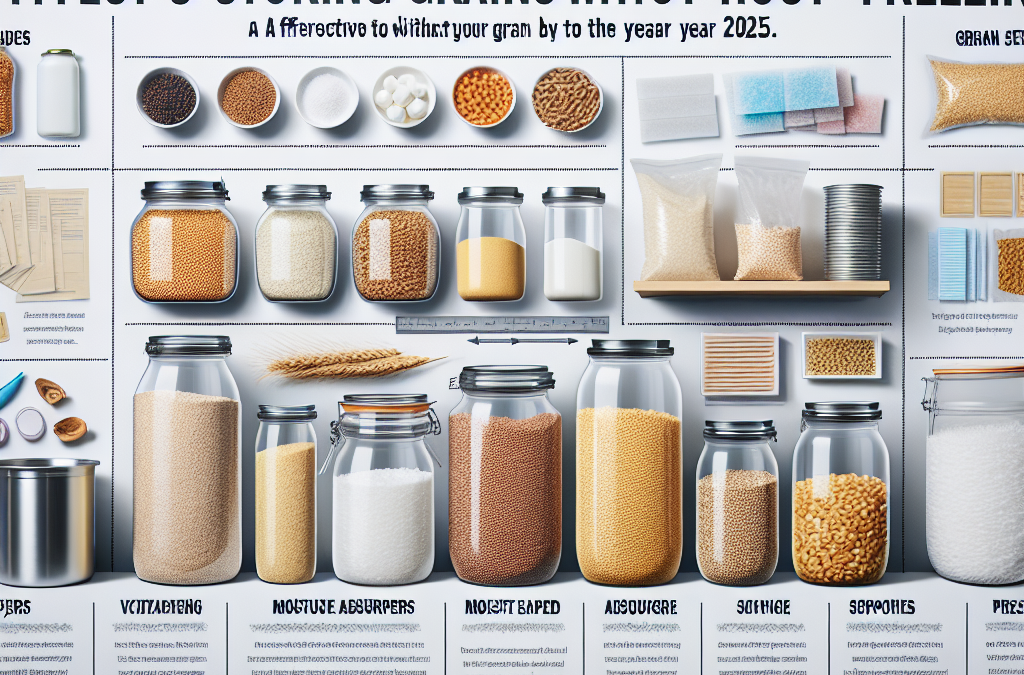
One common mistake in food prepping is underestimating the importance of proper storage. Cooked legumes and grains can spoil quickly if not stored correctly. Use airtight containers and refrigerate or freeze your prepped foods to extend their shelf life. Additionally, understanding how to cook these ingredients properly—such as knowing the right water-to-grain ratio and cooking times—can significantly impact the texture and flavor of your meals.
It’s also vital to prioritize the balance of flavors and textures when planning your meals. For instance, combining legumes with grains not only enhances the nutritional profile but also creates satisfying dishes. Avoid the pitfall of cooking too much of one type of legume or grain at once; instead, prepare a variety in smaller batches to keep your meals interesting.
Nutritional Benefits of Legumes and Grains
Legumes and grains are powerhouse foods that provide essential nutrients. They are high in fiber, which aids in digestion and helps maintain a healthy weight. Moreover, legumes are a great source of plant-based protein, making them an excellent choice for vegetarians and vegans. Grains, especially whole grains, offer vital vitamins and minerals, contributing to overall health.
When combining legumes and grains, you not only boost protein intake but also achieve a complete amino acid profile, which is crucial for muscle repair and growth. For instance, pairing rice with beans creates a complete protein source, making it an ideal meal option for those looking to maintain or build muscle.
Keep in mind that while these foods are nutritious, preparation methods can influence their health benefits. For example, soaking beans before cooking can reduce cooking time and enhance digestibility. Prioritize using fresh ingredients and cooking methods that preserve their nutrient density.
Best Storage Practices for Prepped Foods
Proper storage is key to maximizing the shelf life of your prepped legumes and grains. After cooking, allow them to cool completely before transferring them to airtight containers. Refrigerate any leftovers and consume them within 3-5 days. For longer storage, freezing is an excellent option; cooked legumes and grains can last for up to six months in the freezer.
Labeling your containers with the cooking date can help you track freshness. Additionally, consider portioning your prepped foods into single servings to make meal assembly easier during the week. This approach not only saves time but also helps control portion sizes.
Another tip is to store similar items together. For example, keep all your cooked grains in one container and legumes in another. This organization simplifies meal planning and ensures you have easy access to your prepped foods.
Creative Meal Ideas
Once you have prepped your legumes and grains, the possibilities for meals are endless. Create a hearty grain bowl by layering quinoa, black beans, roasted vegetables, and a drizzle of tahini sauce. Alternatively, prepare a simple lentil soup using cooked lentils, diced tomatoes, and your favorite spices.
Experiment with different flavor profiles by incorporating various herbs and spices. For example, add cumin and coriander to chickpeas for a Middle Eastern twist, or mix in curry powder with rice and lentils for an Indian-inspired dish. The flexibility of legumes and grains allows you to adjust recipes based on your preferences and dietary needs.
Remember to include a variety of textures in your meals. Combine crunchy vegetables with creamy legumes or grains to create a satisfying dining experience. Don’t shy away from mixing leftovers into new dishes, such as adding cooked grains to salads or incorporating legumes into stir-fries.
Get Whole Wheat Flour, Grains and Milling Supplies – CLICK HERE

Common Mistakes to Avoid
One common mistake when prepping legumes and grains is neglecting to rinse them thoroughly before cooking. This step can help remove excess sodium and improve flavor. Additionally, avoid overcooking your legumes and grains, as this can lead to mushy textures that are less enjoyable to eat.
Another pitfall is failing to plan for variety. Eating the same meals repeatedly can lead to meal fatigue. To combat this, rotate your recipes and try new combinations of ingredients. Also, consider the balance of macronutrients; ensure you have a good mix of proteins, carbohydrates, and fats in your meals.
In closing, don’t overlook the importance of seasoning. Properly seasoning your legumes and grains can elevate your dishes significantly. Taste as you cook and adjust seasonings to your liking, making sure each meal is flavorful and satisfying.
Further Reading
Authoritative Sources
- What Are Legumes?
eatright.orgThis resource provides a comprehensive overview of legumes, their nutritional benefits, and cooking methods
- What Are Whole Grains?
wholegrainscouncil.orgA detailed guide on whole grains, their health benefits, and how to incorporate them into your diet
- Food Labeling & Nutrition
fda.govOfficial FDA guidelines on food labeling, including nutritional information for grains and legumes
Frequently Asked Questions
What are the best legumes for meal prepping?
Popular choices include lentils, chickpeas, black beans, and kidney beans due to their versatility and nutritional value.
How long can I store cooked grains?
Cooked grains can be refrigerated for 3-5 days or frozen for up to six months if stored properly in airtight containers.
Can I prep legumes and grains together?
Yes, you can prep them together; just ensure they are stored separately to maintain their individual textures and flavors until ready to use.
What spices go well with legumes and grains?
Common spices include cumin, coriander, garlic powder, and paprika, which enhance the flavors of both legumes and grains.
How do I avoid common mistakes when prepping?
Rinse legumes well, avoid overcooking, and plan for variety in your meals to prevent monotony and improve flavor.
Conclusion
Food prepping with legumes and grains is a practical strategy for enhancing your diet, ensuring you have nutritious meals ready to go. By understanding the nutritional benefits, implementing proper storage methods, and avoiding common pitfalls, you can enjoy delicious and healthy meals throughout the week. Focus on variety and flavor to keep your meals exciting, and don’t hesitate to experiment with new recipes. Start prepping today to take control of your meal planning and make healthier choices effortlessly.
Get Whole Wheat Flour, Grains and Milling Supplies – CLICK HERE
Related Content
- 10 Effective Home Storage for Rice and Grains Strategies to Keep Them Fresh in 2025
- Grain Storage Techniques for Prepping: Essential Methods for Long-Term Viability
- The Ultimate Guide to Storing Wheat at Home in 2025: 7 Effective Tips
- Food Storage Checklist for Preppers: Essential Items for Long-Term Preparedness
- The Best Grain Storage Containers for Every Budget
Auto Amazon Links: No products found.