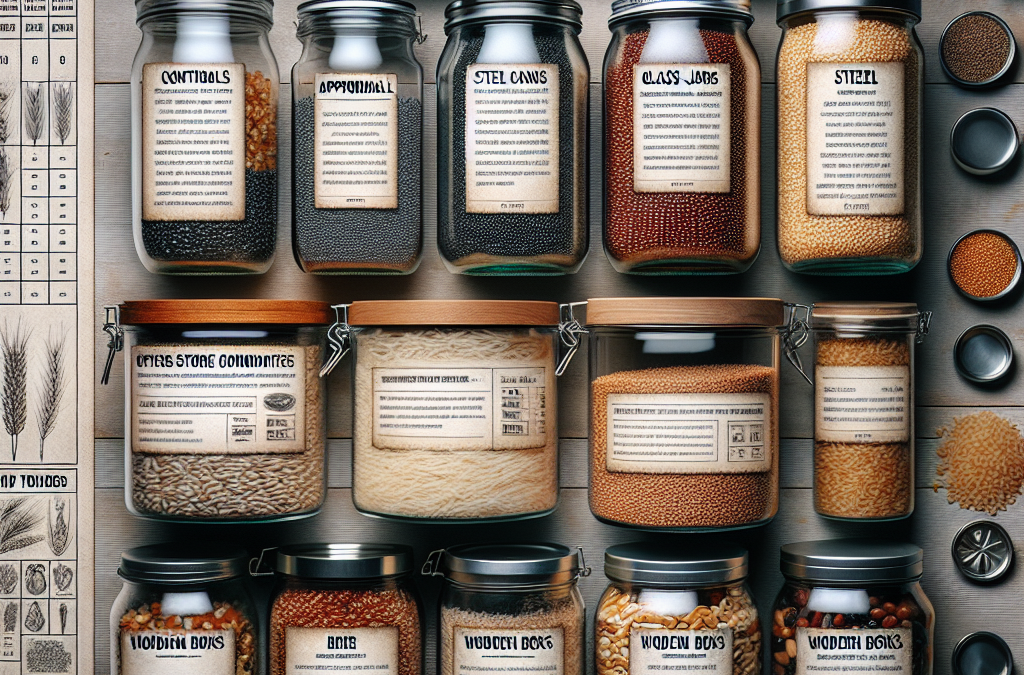
Understanding the importance of proper grain storage can save resources and reduce food waste. Many people overlook the impact of humidity and temperature fluctuations on grain quality. By prioritizing airtight storage solutions and monitoring environmental conditions, you can significantly extend the shelf life of your grains. Common mistakes include using non-airtight containers or neglecting to check for moisture, which can lead to mold and pest infestations.
Additionally, it’s essential to consider the type of grain being stored, as different grains have unique storage requirements. For instance, whole grains may require different handling than processed grains. Always ensure that your storage method aligns with the specific needs of the grain to avoid potential spoilage.
Choosing the Right Storage Containers
When it comes to grain storage without refrigeration, selecting the right containers is paramount. Airtight containers made of glass, plastic, or metal can significantly reduce the risk of moisture and pests. These containers not only protect grains from external elements but also help maintain their freshness.
Prioritize containers that have secure seals and are transparent for easy visibility. While glass containers are excellent for visibility and durability, plastic options are lightweight and often more affordable. Consider the quantity of grain you plan to store, as larger containers may be more economical for bulk storage.
It’s also crucial to clean and dry containers thoroughly before use to eliminate any residual moisture or contaminants. Regularly inspect the containers for signs of wear or degradation, which could compromise the integrity of the stored grains.
Optimal Storage Environment
Storing grains in an optimal environment is essential for preventing spoilage. A cool, dark, and dry location is ideal, as heat and light can degrade grain quality over time. Aim for storage areas that maintain a consistent temperature, ideally below 70°F (21°C).
Humidity is another critical factor; grains can absorb moisture from the air, leading to mold and spoilage. To combat this, use hygrometers to monitor humidity levels in your storage area. If the environment is too humid, consider using air conditioning or a dehumidifier to maintain acceptable levels.
Additionally, avoid storing grains near strong-smelling substances, as grains can absorb odors that may affect their flavor. Regularly check the storage area for pests and other contaminants to ensure the integrity of your grains remains intact.
Using Natural Desiccants
Natural desiccants are an effective tool for managing moisture levels in grain storage. Substances like silica gel, rice, or even salt can help absorb excess humidity, enhancing the longevity of stored grains. Adding desiccants to your storage containers can significantly reduce the risk of mold and spoilage.
When using desiccants, it’s important to monitor their effectiveness and replace them as needed. For instance, silica gel packets can change color to indicate when they are saturated and no longer effective. Always ensure that the desiccants do not come into direct contact with the grains to avoid contamination.
Incorporating desiccants into your storage routine can be a game-changer, especially in humid climates. They provide an additional layer of protection, ensuring that your grains remain fresh and safe for consumption.
Get Whole Wheat Flour, Grains and Milling Supplies – CLICK HERE

Common Mistakes to Avoid
Many individuals make common mistakes when storing grains that can lead to spoilage. One prevalent error is using containers that are not truly airtight, which allows moisture and pests to infiltrate. Always opt for high-quality, airtight containers to safeguard your grains.
Another mistake is neglecting to regularly check the storage environment. Failing to monitor temperature and humidity can lead to unforeseen issues, such as mold growth or insect infestations. Implement a routine inspection schedule to catch any problems early.
Additionally, some people overlook the importance of labeling and dating stored grains. Keeping track of when grains were stored can help ensure they are used before their quality diminishes. Implementing these simple practices can significantly enhance your grain storage success.
Further Reading
Authoritative Sources
- USDA Grain Storage Guidelines
ams.usda.govOffers comprehensive guidelines on grain storage techniques and best practices
- Purdue Extension: Grain Storage
extension.purdue.eduProvides research-based information on effective grain storage methods and strategies
- FAO Food Storage Resources
fao.orgFeatures resources on food storage, including grains, to promote food security
Frequently Asked Questions
What types of containers are best for grain storage?
Airtight containers made of glass, plastic, or metal are ideal for grain storage as they prevent moisture and pests.
How can I tell if my grains have spoiled?
Signs of spoilage include off odors, discoloration, and the presence of mold or insects. If any of these are present, it’s best to discard the grains.
How long can grains be stored without refrigeration?
Grains can be stored for several months to years without refrigeration if kept in optimal conditions, such as cool, dry, and dark environments.
What humidity level is best for grain storage?
Humidity levels below 60% are ideal for grain storage to prevent spoilage and pest infestations.
Can I use regular salt as a desiccant for grain storage?
Yes, regular salt can be used as a natural desiccant, but it should be kept separate from the grains to avoid contamination.
Conclusion
In closing, effective grain storage without refrigeration hinges on utilizing airtight containers, maintaining optimal storage conditions, and employing natural desiccants. By avoiding common mistakes such as neglecting humidity levels and using non-airtight containers, you can significantly enhance the longevity and quality of your stored grains. Prioritizing these techniques will ensure that your grains remain a reliable food source for extended periods, ultimately supporting your food security needs.
Get Whole Wheat Flour, Grains and Milling Supplies – CLICK HERE
Auto Amazon Links: No products found.