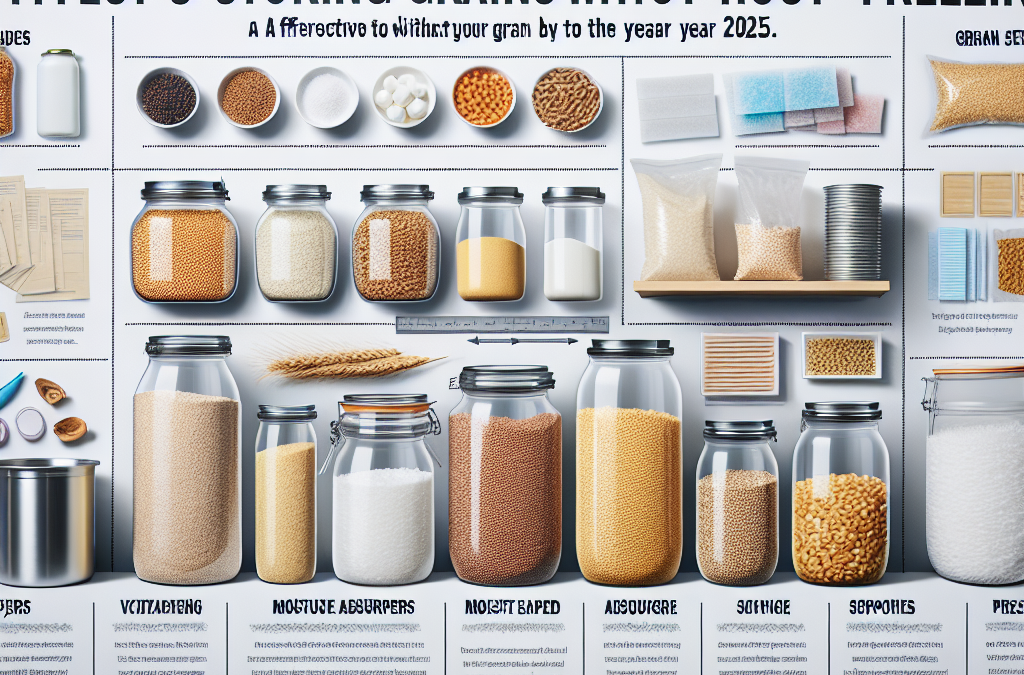
A well-stocked home food pantry grain supply is essential for ensuring nutritional variety and meal flexibility. Key grains like rice, quinoa, oats, and barley should be selected based on their cooking versatility and nutritional benefits. To maintain quality, store grains in airtight containers and keep them in a cool, dark place to prevent spoilage and pest infestations. Regularly check for freshness and rotate your stock, using older grains first. This approach not only preserves the integrity of your food supply but also enhances your cooking options.
Understanding Grain Varieties for Your Pantry
Choosing the right grain varieties for your home food pantry is essential, as they play a significant role in nutrition and meal versatility. Common staples such as rice, quinoa, oats, and barley are not only adaptable in various dishes but also provide distinct flavors and textures. For example, rice serves as a versatile base for stir-fries and casseroles, while quinoa is often featured in salads and bowls, offering a nutty flavor and satisfying texture.
Each grain possesses unique properties that influence its culinary applications and nutritional profile. Brown rice, for instance, is a whole grain that retains its bran and germ, offering more fiber and nutrients than white rice, which has been milled and polished. However, brown rice has a shorter shelf life, making it vital to plan your pantry with a mix of grains that can withstand time while still providing essential nutrients. Incorporating whole grains can significantly enhance your food supply’s nutritional profile, adding a variety of vitamins, minerals, and dietary fiber that can support overall health.
When selecting grains, consider their cooking times and specific storage requirements. For instance, while oats can be cooked quickly, barley may require longer soaking and cooking periods. Additionally, understanding the nutritional benefits of each grain can aid in creating a balanced pantry that caters to your dietary needs. By incorporating a diverse range of grains, you can ensure versatility in your meals while maximizing the health benefits of your home food pantry grain supply.
Best Practices for Storing Grains
Effective storage techniques are essential for preserving the quality of grains in your pantry. Utilizing airtight containers is one of the most effective methods to prevent moisture and pests from compromising your grain supply. Options such as glass jars, Mylar bags, and food-grade plastic containers are excellent choices for long-term storage. Labeling these containers with the contents and date of storage is also a practical step to keep track of freshness and ensure that you use older grains first.
It’s crucial to store grains in a cool, dark location, as exposure to heat and light can degrade their quality over time. Ideal storage spaces include basements or dedicated pantry shelves away from heat sources like stoves and ovens. Regularly checking your stored grains for any signs of spoilage or pest activity is also necessary to maintain a healthy food supply. This proactive approach not only helps in preserving the grains but also saves you from potential waste and financial loss.
Comparatively, some people may opt for vacuum-sealed bags, which can extend the shelf life of grains even further by reducing exposure to air. While this method is effective, it requires specific equipment and may not be as accessible to everyone. However, whether you choose traditional airtight containers or vacuum sealing, the key is consistency in maintaining proper storage conditions to ensure the longevity and quality of your grain supply.
Common Mistakes in Grain Storage
Many individuals overlook the significance of proper grain storage, leading to unnecessary waste and spoilage. A prevalent mistake is the use of non-airtight containers, which can allow moisture to infiltrate and foster mold growth. Additionally, failing to rotate stock is another common error; older grains should be used first to prevent them from being forgotten and expiring. Storing grains in warm or humid environments can also result in infestations, compromising your entire supply.
To avoid these pitfalls, prioritizing organization in your pantry is essential. Regularly assess your grain supply to ensure that you’re using older items first, and consider maintaining a checklist of your pantry contents. This practice not only minimizes waste but also keeps your food supply fresh and ready for use. Furthermore, some may underestimate the importance of pest control; implementing measures such as bay leaves or diatomaceous earth in storage areas can deter pests naturally.
On the contrary, some may adopt overly cautious measures, such as freezing grains to prolong their shelf life. While this approach can be effective, it may not be necessary for all grain types and could alter their texture upon thawing. Ultimately, understanding the specific needs of each grain type and employing efficient storage practices will help you maintain a healthy and sustainable food pantry.
Nutritional Benefits of Key Grains
Incorporating a variety of grains into your home food pantry not only enhances culinary versatility but also significantly improves overall nutrition. For instance, quinoa is well-known as a complete protein, containing all nine essential amino acids, making it an excellent choice for those following vegetarian or vegan diets. Oats, on the other hand, are rich in soluble fiber, which can help lower cholesterol levels and improve heart health.
Understanding the nutritional benefits of each grain can guide your selection process effectively. If your goal is to increase fiber intake, barley is an exceptional option, while brown rice provides complex carbohydrates that offer sustained energy. Furthermore, whole grains like farro and spelt introduce unique flavors and textures, enabling you to create diverse and nutritious meals.
Balancing these grains in your pantry can contribute to a well-rounded diet and promote long-term health. However, it’s essential to be mindful of potential dietary restrictions or allergies in your household. For example, while wheat is a common grain, it may not be suitable for individuals with gluten intolerance. By diversifying your grain supply and understanding their health implications, you can build a pantry that supports your nutritional goals while accommodating various dietary needs.
Frequently Asked Questions
What grains should I store in my home pantry?
Key grains to consider include rice, quinoa, oats, and barley, as they offer nutritional diversity and versatility in meals.
How can I prevent pests in my grain storage?
Use airtight containers and store grains in a cool, dark place to minimize the risk of pest infestations.
How long do different grains last?
White rice can last up to 30 years when stored properly, while brown rice typically lasts 6 months due to its oil content.
Can I freeze grains for longer storage?
Yes, freezing grains can extend their shelf life and is particularly effective for preventing insect infestations.
What are the signs that grains have gone bad?
Signs of spoilage include off odors, discoloration, or the presence of pests, indicating that the grains should be discarded.
Conclusion
To maintain a robust home food pantry grain supply, focus on selecting a variety of grains, employing proper storage techniques, and being mindful of common mistakes. Regular checks and organization can help ensure that your grains remain fresh and nutritious. By prioritizing these practices, you can enjoy a well-stocked pantry that contributes to your overall health and culinary flexibility.
Get Whole Wheat Flour, Grains and Milling Supplies – CLICK HERE

Auto Amazon Links: No products found.