
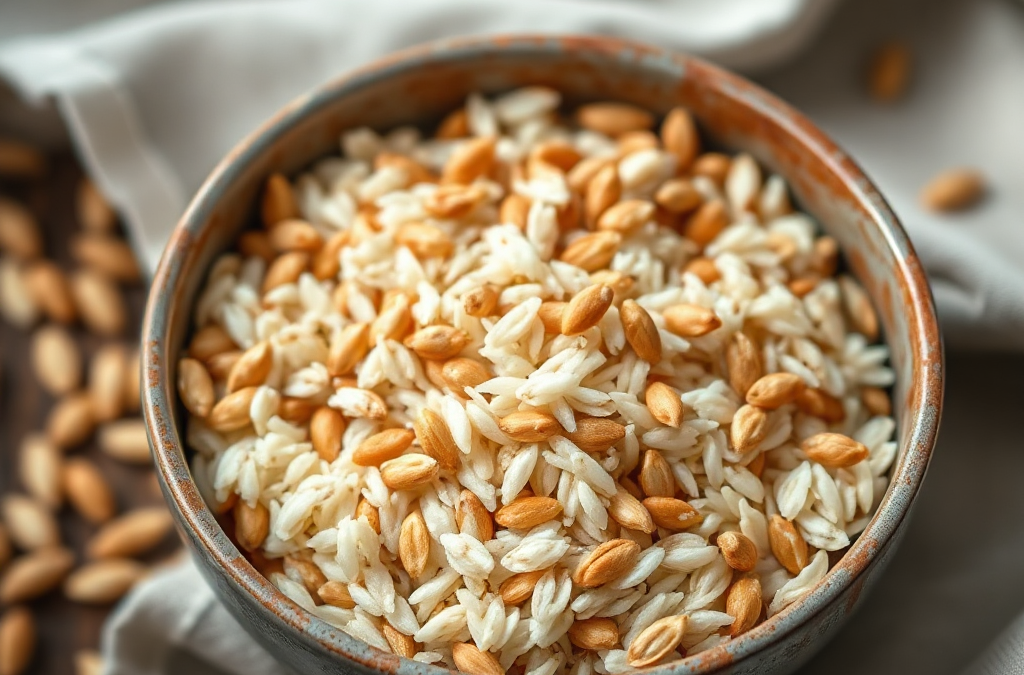
Use grains in emergency meal planning by pairing familiar staples with water, heat, protein, and flavor ingredients, then building meals around the fuel and equipment you actually have. Rice, oats, pasta, wheat, cornmeal, and quinoa can provide useful variety, but each differs in cooking time, water demand, storage life, and nutritional contribution. Plan several no-cook or low-fuel options alongside cooked meals, and combine grains with beans, canned fish, shelf-stable vegetables, oils, and seasonings rather than treating grains as a complete diet. Test portions and recipes before an emergency, rotate supplies, and avoid relying on whole grains that require special milling or lengthy cooking unless those tools are already available.
Choose Grains Around Your Emergency Constraints
Emergency meal planning begins with the conditions under which the food must be prepared, not with the grain that happens to be cheapest in bulk. A power outage, evacuation, boil-water advisory, winter storm, and prolonged supply interruption create different requirements. Rice may be useful when a stove and ample water are available, while instant oats, crackers, ready-to-eat cereal, or pre-cooked rice may be more practical when fuel is scarce. The best plan gives each grain a defined job.
Compare grains by four operational traits: whether they can be eaten without cooking, how much water they absorb, how long they take to soften, and whether your household already eats them. Familiarity affects waste. A family that routinely eats oatmeal is more likely to use rolled oats efficiently than an unfamiliar household trying to turn stored wheat into flour during a crisis. Wheat berries also require a mill or another reliable way to crack them, so their storage potential does not automatically make them a convenient emergency food.
Use a mixture rather than putting every meal on one staple. Rolled oats can cover breakfasts; rice, couscous, or pasta can anchor quick hot meals; cornmeal can become porridge or skillet bread; and shelf-stable tortillas or crispbreads can supply a no-cook option. Whole grains may offer more fiber and texture, but refined grains often cook faster and may be easier to digest during stress. Neither choice should dominate without considering water, fuel, medical dietary needs, and available accompaniments.
A useful first pass is to divide supplies into three groups:
- No-cook grains: crackers, crispbreads, ready-to-eat cereal, and some packaged grain products.
- Short-cook grains: instant oats, couscous, quick-cooking pasta, and par-cooked rice.
- Traditional cook grains: brown rice, barley, wheat berries, and standard dried pasta.
The common mistake is counting pounds of grain without counting the resources needed to make those pounds edible. A container of dry barley is not a complete meal plan if the household lacks several hours of cooking fuel, sufficient water, or a pot with a lid.
Build Balanced Meals From Shelf-Stable Pairings
Grains work best as meal foundations, not as the entire emergency menu. Their starch can provide energy, but a workable plan also needs protein, fat, flavor, and foods that contribute useful vitamins and minerals. Pair rice with canned beans, tuna, chicken, or lentils; combine oats with powdered milk, nut butter, seeds, or shelf-stable fruit; and serve pasta with canned tomatoes, vegetables, cheese powder, or fish when those foods fit the household.
Pairing also improves acceptance. Plain rice may be filling but quickly becomes unpopular, while the same rice can support several meals when seasonings and companions change. A curry-style bowl might use rice, chickpeas, canned tomatoes, and curry powder. Another meal could combine rice with canned chicken, vegetables, and bouillon. These are not interchangeable nutritionally or medically, so account for allergies, sodium limits, diabetes management, and texture preferences before storing large quantities.
Fat deserves specific attention because it adds energy and makes dry foods more satisfying, but it can have a shorter storage life than dry grains. Small containers of cooking oil, nut butter, shelf-stable cheese, or other appropriate fats should be rotated carefully. Canned foods add moisture and protein but increase weight, storage space, and sodium. Dried beans save space yet require substantially more water and fuel than canned beans. That tradeoff matters more during a utility disruption than it does in an ordinary pantry.
Design meals by function instead of chasing a single perfect recipe. A practical daily pattern might include oats with powdered milk and raisins in the morning, crackers with peanut butter at midday if cooking resources are limited, and rice with beans and canned vegetables in the evening. On a higher-fuel day, pasta or barley can replace the no-cook meal. This flexibility protects the supply from being consumed too quickly when conditions change.
Use the internal link how to use grains in meal planning for emergencies when reviewing the grain portion alongside the rest of the pantry. The failure mode to avoid is storing grains and flavorings while overlooking the companion foods that turn them into tolerable, balanced meals.
Match Menus to Water, Fuel, and Equipment
Water and cooking energy determine which grain meals are realistic. Dry grains absorb water as they soften, and evaporation increases the demand when cooking is done in an uncovered pot or in windy outdoor conditions. Fuel use also depends on the starting temperature of the water, cookware, altitude, batch size, and whether the grain can finish by soaking or resting after heat is turned off.
When fuel is limited, favor quick-cooking or pre-cooked products and use a tight-fitting lid. Couscous can be hydrated with boiled water rather than simmered for an extended period. Instant oats need far less cooking than steel-cut oats. Par-cooked rice may be a better emergency choice than brown rice when the household has only a small camping stove. These substitutions may reduce texture or fiber variety, but they can preserve fuel for water treatment and other essential tasks.
Separate menus by preparation level. Keep at least some meals that need no heat, some that require only hot water, and some traditional cooked meals for periods when fuel is dependable. Do not assume a grill, camp stove, generator, or fireplace will always be safe or available. Cooking equipment must be used according to its instructions and only in suitable ventilated locations; indoor use of devices not designed for indoor cooking can create serious hazards.
Measure the actual process before an emergency. Prepare one serving of each planned grain and record the dry quantity, water used, time to cook, resting time, and fuel consumed. A household may discover that its preferred pot boils over with pasta or that a particular rice requires more water than expected. That trial also reveals whether the finished food is acceptable without refrigeration and whether leftovers can be avoided.
Water planning should include preparation, drinking, cleaning, and any needed rehydration. A grain plan that uses every available drop for cooking leaves too little for safe hydration or sanitation. The opposite mistake is avoiding all cooked grains even when boiling water is readily available, wasting the variety and comfort that hot meals can provide. The practical goal is not maximum cooking efficiency; it is a menu that remains usable when one resource becomes constrained.
Create, Test, and Rotate a Practical Emergency Plan
A usable plan converts stored ingredients into specific meals for specific days. Begin with the people being fed, their normal portion sizes, allergies, dietary restrictions, and likely activity level. Then assign grains to breakfast, lunch, dinner, and snacks without assuming that every person will eat the same amount. Children, older adults, and people with medical conditions may need different textures, flavors, or nutrition guidance from a qualified professional.
Build a seven-day trial menu before buying deeply into one grain. Include at least two breakfast options, two no-cook meals, two fast hot meals, and one meal that uses a longer-cooking staple. For each meal, list the grain, companion protein, vegetable or fruit, fat or sauce, water requirement, cookware, and seasoning. This exposes gaps that a simple inventory misses. If every dinner needs canned tomatoes, for instance, the plan is vulnerable to one depleted ingredient.
Test the menu under realistic conditions. Use the same pot, stove, measuring cup, can opener, and seasonings that would be available during an outage. Eat the portions as a household and note what remains, what becomes soggy, and what nobody wants a second time. A recipe that tastes good from a fully equipped kitchen may be inefficient when it requires several pans, refrigeration, or ingredients opened in quantities larger than one meal.
Get Whole Wheat Flour, Grains and Milling Supplies – CLICK HERE 
Rotate stock by placing newer packages behind older ones and labeling opened containers with the date. Keep grains dry, protected from pests, and in packaging appropriate for the storage environment. Inspect for moisture, insects, damaged seals, off odors, or other signs of spoilage, and follow product and food-safety guidance for questionable items rather than tasting them to decide. Storage life varies by product, packaging, temperature, and moisture exposure, so a printed date is not a substitute for proper handling.
A compact priority checklist is more useful than an oversized recipe collection:
- Confirm safe water and a dependable preparation method.
- Reserve no-cook foods for fuel or equipment failures.
- Pair every major grain with a protein and at least one flavor component.
- Test portions and cooking times before storing large quantities.
- Rotate supplies and replace foods the household will not eat.
Use the internal reference how to use grains in meal planning for emergencies while updating the menu, but keep the final plan personal. The weak assumption is that a large supply automatically creates resilience. Resilience comes from having edible combinations, workable tools, safe preparation conditions, and enough variety to adapt when water, fuel, appetite, or household size changes.
Adjust Grain Meals for Real-World Disruptions
Emergency menus should change with the disruption rather than follow a rigid calendar. During a short outage, refrigerated foods may be used first if they can be handled safely, preserving shelf-stable grain meals for later. During evacuation, lighter ready-to-eat products may be preferable to heavy bags of dry staples. During a longer interruption, fuel conservation, sanitation, waste control, and dietary adequacy become more prominent than recipe variety.
Plan for failed assumptions. A power outage may also disable an electric rice cooker. A water advisory may make rinsing grains impractical. A stress-related loss of appetite may favor small portions of oatmeal, crackers, or rice soup over a large dry meal. Someone caring for an infant, an older adult, or a person with swallowing difficulties may need foods that are soft, familiar, and easy to portion. Those scenarios are reasons to keep alternative grain formats rather than treating bulk kernels as the only serious preparation.
Reuse leftovers only when safe handling and temperature control are available. Without reliable refrigeration, cook modest batches and avoid leaving prepared food at unsafe temperatures. A shelf-stable meal assembled from unopened components may be safer and simpler than cooking a large pot that cannot be cooled or stored appropriately. The tradeoff is that packaged foods may cost more or contain more sodium, so the plan should balance convenience with household needs.
Review the menu after every drill, outage, or seasonal change. Replace meals that consumed too much fuel, required missing tools, or produced waste. Add a different grain only when it solves a clear problem, such as faster cooking, easier digestion, or greater no-cook flexibility. The most dependable pantry is not the one with the widest assortment; it is the one whose ingredients, equipment, and recipes work together under the conditions the household expects to face.
For food-safety and emergency-storage decisions, consult current guidance from government food-safety agencies, local emergency-management offices, and university extension programs. Their recommendations can help households evaluate water handling, cooking equipment, storage conditions, and the safe use of leftovers without relying on unverified shelf-life claims.
Frequently Asked Questions
Which grains are most practical for emergency meals?
Rolled or instant oats, rice, pasta, couscous, cornmeal, crackers, and ready-to-eat cereal are practical starting points. Choose based on cooking fuel, water, equipment, storage space, and what your household already eats.
How can grains become a more complete emergency meal?
Combine them with protein foods such as beans, lentils, canned fish, chicken, powdered milk, or nut butter, then add vegetables or fruit, a suitable fat, and seasonings.
Should I store whole grains or refined grains?
Use both when appropriate. Whole grains offer texture and fiber, while refined or par-cooked products often require less fuel and may be easier to prepare. Storage conditions and household tolerance should guide the balance.
How do I plan grains when cooking fuel is limited?
Keep no-cook foods and hot-water meals available, choose quick-cooking products, use covered cookware, and test actual fuel and water use before an emergency. Do not depend on equipment that may be unavailable during an outage.
How often should emergency grain supplies be checked?
Inspect them during regular pantry rotations and after unusual heat, humidity, pests, flooding, or package damage. Use older supplies first and replace anything with moisture, insects, damaged seals, or an off odor.
Conclusion
Effective emergency grain planning is a coordination task: the staple must fit the water supply, fuel source, cookware, storage conditions, and people who will eat it. Choose a mix of no-cook, quick-cooking, and traditional grains, then connect each one to protein, flavor, and produce options that can remain safe without normal refrigeration. Test a seven-day menu with real portions and equipment before relying on it, and revise anything that wastes fuel or goes uneaten. Rotate supplies instead of treating bulk storage as a finished plan. When conditions change, use the least resource-intensive meals first and protect water and cooking capacity for essential needs. A smaller pantry of familiar, workable combinations is more useful than a larger collection of ingredients without a preparation plan.
Get Whole Wheat Flour, Grains and Milling Supplies – CLICK HERE
Auto Amazon Links: No products found.





