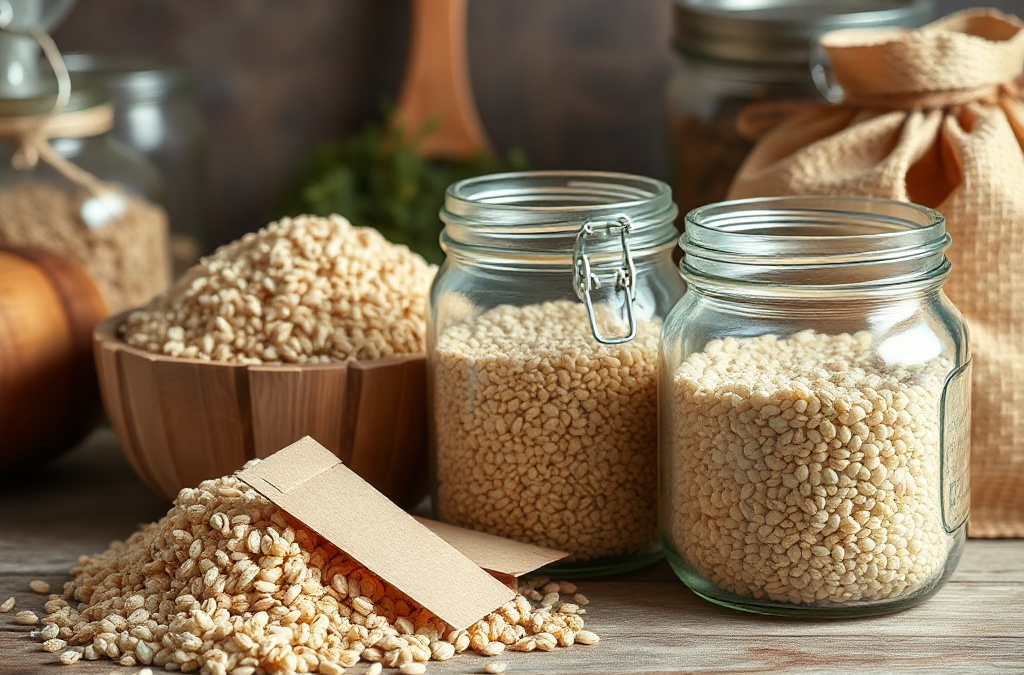
Storing grains with oxygen absorbers is a highly effective way to enhance their longevity and prevent spoilage. By placing oxygen absorbers in airtight containers, you can significantly reduce the oxygen levels that contribute to mold growth, rancidity, and pest infestations. It’s essential to ensure that the grains are completely dry before storage, as moisture can hinder the absorbers' effectiveness. Additionally, always seal the containers immediately after adding the absorbers to maintain their function. Monitoring the storage environment—keeping it cool, dark, and dry—will further help preserve the quality of your grains over time.
Understanding Oxygen Absorbers
Oxygen absorbers are small packets that contain iron powder and other compounds designed to remove oxygen from sealed environments. When placed with grains, these absorbers react with oxygen, reducing its concentration in the container. This process is crucial because oxygen is a primary factor in the deterioration of grains, leading to rancidity, loss of nutritional value, and the growth of pests. By using oxygen absorbers, you can significantly extend the shelf life of grains, making them suitable for long-term storage.
It is important to choose the right type of oxygen absorber based on the grain being stored. For instance, different grains may require varying amounts of absorption capacity. Understanding the specific needs of your grains can help you select the appropriate oxygen absorbers to use.
Best Practices for Storing Grains
To effectively store grains with oxygen absorbers, follow these best practices:
- Choose Airtight Containers: Use food-grade buckets, mylar bags, or glass jars that can be sealed tightly to prevent air exchange.
- Pre-condition Grains: Ensure grains are dry and clean before storage. Moisture can compromise the effectiveness of oxygen absorbers and lead to spoilage.
- Seal Properly: After placing oxygen absorbers in the container with grains, seal it immediately to trap the absorbers’ effectiveness.
- Monitor Storage Conditions: Keep stored grains in a cool, dark, and dry place to maintain their quality and extend shelf life.
Implementing these practices can help you maximize the benefits of using oxygen absorbers in grain storage.
Common Mistakes to Avoid
While storing grains with oxygen absorbers can be highly effective, there are common pitfalls to watch out for:
- Neglecting Container Quality: Using non-food-grade containers can lead to chemical leaching and contamination of grains.
- Ignoring Absorber Capacity: Overloading a container with grains while using insufficient oxygen absorbers can result in inadequate oxygen removal.
- Failing to Check for Moisture: Not inspecting grains for moisture before storage can lead to mold growth, rendering the storage method ineffective.
By recognizing and avoiding these mistakes, you’ll enhance the effectiveness of your grain storage method.
Frequently Asked Questions
How do oxygen absorbers work in grain storage?
Oxygen absorbers contain iron powder that reacts with oxygen, effectively reducing the oxygen levels in sealed containers, which helps prevent spoilage and pest infestations.
Can I reuse oxygen absorbers?
Oxygen absorbers are typically single-use and should not be reused, as their effectiveness diminishes after they have absorbed oxygen.
What types of grains are best suited for oxygen absorber storage?
Most dry grains, including wheat, rice, and corn, are well-suited for storage with oxygen absorbers, as they benefit greatly from reduced oxygen exposure.
How long can grains be stored with oxygen absorbers?
Grains stored with oxygen absorbers can last several years, often retaining quality for 10-20 years when kept in optimal conditions.
What signs indicate that grain storage has failed?
Signs of failed grain storage include visible mold growth, unusual odors, or the presence of insects, indicating that oxygen levels were not adequately controlled.
Conclusion
Storing grains with oxygen absorbers is a highly effective method for extending their shelf life and maintaining quality. By understanding how oxygen absorbers work and following best practices, you can ensure that your grains remain fresh for years to come. Avoid common mistakes such as using improper containers or neglecting moisture levels to maximize the benefits of this storage technique. Taking these steps will help you achieve successful grain storage and preserve your food supply effectively.
Get Whole Wheat Flour, Grains and Milling Supplies – CLICK HERE

Auto Amazon Links: No products found.
Further Reading
Authoritative Sources
- Mylar, Oxygen absorbers, long term food storage
mossbergowners.comIf you can fill your containers with water pumped dry nitrogen (an inert gas) it will displace the oxygen and prolong storage nearly ...
- The Ultimate Guide to Long-Term Grain Storage
xifagroup.comUsing desiccants or oxygen absorbers can help maintain a dry environment inside food storage containers for long-term use. #5: Make Sure to ...
- Can oxygen absorbers be used for storing grains? - Blog
absorbwell.comBy removing oxygen, oxygen absorbers can help to preserve the nutritional value of grains, ensuring that they remain healthy and nutritious. 4.
- Oxygen Absorbers for Food Storage: A Prepper's Guide
weloveprepping.comWrap absorbers in paper towels and place throughout the bucket - don't bunch them together. Properly storing rice and other grains with oxygen ...