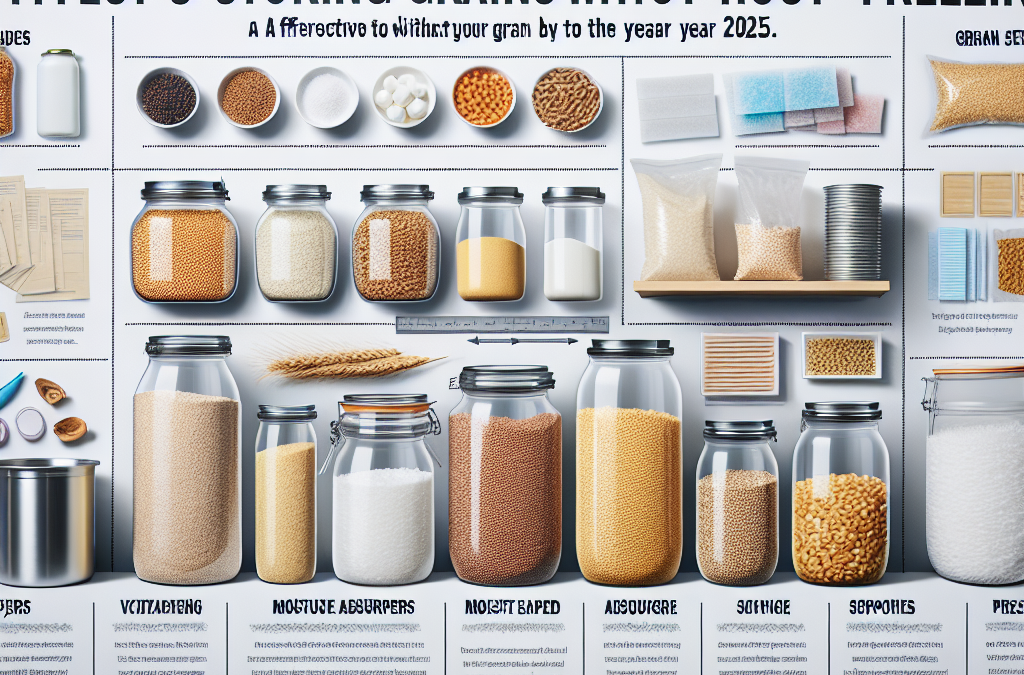
Food storage for uncertain times requires careful selection of non-perishable items and effective storage techniques. Focus on versatile staples such as grains, legumes, and canned goods, which provide essential nutrients and can last for years if stored properly. Utilize airtight containers and vacuum sealing to protect food from moisture and pests, while maintaining a cool, dark environment to maximize shelf life. Regularly rotate your supplies to prevent spoilage and ensure freshness, and always label containers with dates to keep track of your inventory. This proactive approach will help you stay prepared for emergencies and maintain a balanced diet.
Understanding Essential Foods for Storage
When preparing for uncertain times, selecting the right foods for storage is crucial. Non-perishable items such as grains, canned goods, legumes, and dehydrated fruits and vegetables form the backbone of a reliable food supply. Grains like rice and oats can last for years if stored correctly, while canned goods offer a variety of nutrients and flavors.
It’s essential to consider both nutrition and versatility when choosing these items. For instance, beans are not only a great source of protein but can also be used in various dishes. Additionally, including a mix of food types ensures that your diet remains balanced even during emergencies. However, many people overlook the importance of rotating their supplies regularly to prevent spoilage and maintain freshness.
Effective Storage Methods and Techniques
Storing food properly enhances its longevity and safety. Utilizing airtight containers is one of the most effective methods, as they prevent moisture and pests from compromising food quality. Vacuum sealing is another excellent technique that removes air from packaging, extending shelf life significantly.
Temperature control plays a vital role in food storage. Ideally, a cool, dark, and dry environment is best for preserving food. For instance, a basement or pantry can serve as an effective storage area. It’s also important to label containers with dates to track freshness, as well as to periodically check for any signs of spoilage or contamination.
Creating a Food Storage Plan
A comprehensive food storage plan is essential for ensuring you are prepared for uncertain times. Start by assessing your household’s needs and dietary preferences, then create a list of essential items to stock. Consider factors like shelf life, nutritional value, and the variety of meals you can prepare.
Next, establish a budget for purchasing these items and prioritize buying in bulk when possible, as this often reduces costs. Additionally, it’s wise to include a plan for rotation and replenishment of your supplies, ensuring that older items are consumed first. This proactive approach minimizes waste and keeps your storage relevant.
Common Mistakes to Avoid in Food Storage
Many individuals make critical mistakes food storage, which can jeopardize their emergency preparedness. One common error is failing to rotate supplies, leading to expired items that cannot be used in a pinch. Another mistake is neglecting to consider the proper storage conditions, such as temperature and humidity, which can affect food quality.
Additionally, over-reliance on specific food types can lead to nutritional deficiencies. It’s important to maintain a balanced stock that includes proteins, carbohydrates, and fats. Lastly, failing to have a clear plan can result in unnecessary panic during emergencies. Being organized and informed is key to effective food storage.
Frequently Asked Questions
What types of foods are best for long-term storage?
Foods like grains, beans, canned vegetables, and dehydrated fruits are excellent for long-term storage due to their shelf life and nutritional value.
How should I store my food to ensure it lasts?
Airtight containers, vacuum sealing, and maintaining a cool, dry environment are key methods to extend the shelf life of stored food.
How often should I check my food storage?
It's advisable to check your food storage every six months to ensure there are no signs of spoilage and to rotate older items into your meal planning.
Can I freeze food for long-term storage?
Yes, freezing can be an effective method for long-term storage, especially for meats, fruits, and vegetables, as it preserves their freshness and nutritional content.
What common mistakes should I avoid with food storage?
Common mistakes include neglecting to rotate stock, improper storage conditions, and relying too heavily on a limited variety of foods.
Conclusion
Effective food storage for uncertain times requires careful planning, selection of the right foods, and proper storage methods. By understanding the essential foods, creating a solid plan, and avoiding common mistakes, you can ensure that you are prepared for any emergency. Prioritize a diverse and balanced food supply, and regularly review your storage practices to maintain readiness.
Get Whole Wheat Flour, Grains and Milling Supplies – CLICK HERE

Auto Amazon Links: No products found.