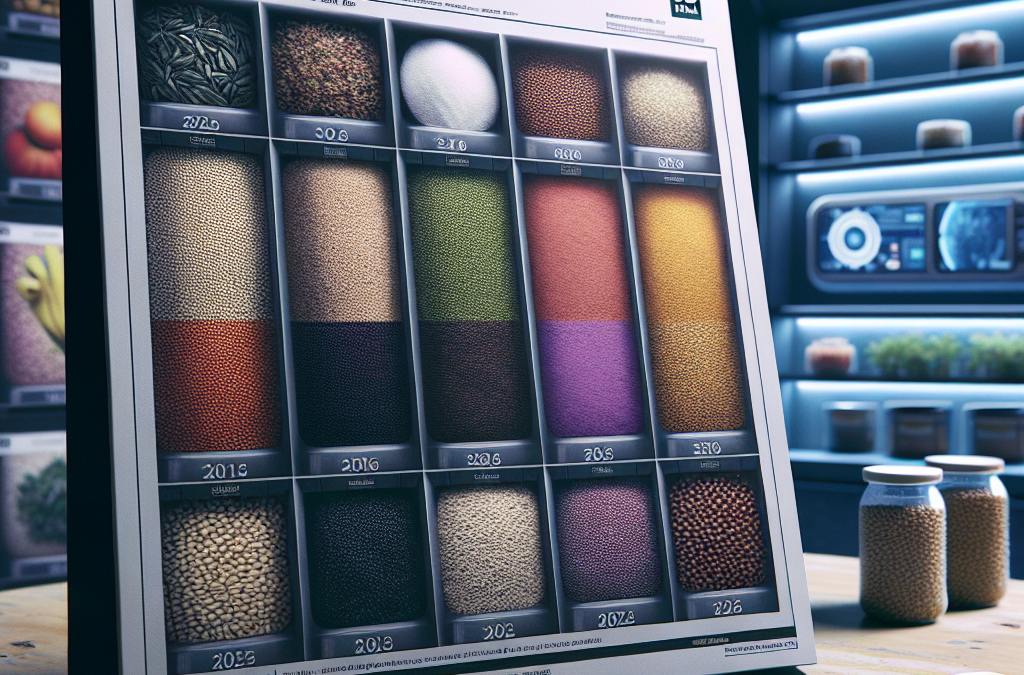
The stakes of effective grain storage are high, especially for preppers who rely on these staples for their long-term food supply. Common issues include moisture, which can lead to mold, and pest infestations, which can ruin stored grains. Prioritizing the right storage methods not only preserves the quality of your grains but also ensures you have a dependable food source in emergencies.
Many people overlook the importance of regular checks on stored grains. Even with the best storage techniques, pests can find their way in, and moisture levels can fluctuate. Establishing a routine for inspecting and maintaining your grain storage can prevent costly losses and ensure your supplies stay viable.
Choosing the Right Containers
Using the right containers is crucial for effective home storage for prepping grains. Airtight containers made from food-grade plastic or glass are ideal as they prevent moisture and air from degrading grain quality. Consider also using Mylar bags with oxygen absorbers for long-term storage.
When selecting containers, think about the volume of grains you plan to store. Larger containers are suitable for bulk grains, while smaller ones can help with everyday use. It’s essential to label each container with the grain type and storage date to keep track of freshness.
A common mistake is using non-food-grade containers that can leach harmful chemicals into the grains. Always ensure that your storage containers are safe for food use and check for any signs of damage or wear before filling them.
Optimal Storage Conditions
The conditions under which grains are stored significantly impact their shelf life. Ideally, grains should be kept in a cool, dark place with low humidity. A temperature range of 50-70°F is optimal for most grains.
Humidity is a critical factor; grains stored in damp environments can develop mold or attract pests. Using a dehumidifier in your storage area can help maintain ideal conditions. Additionally, consider storing grains off the ground to prevent moisture absorption.
Be aware that fluctuations in temperature can also affect grain quality. Avoid placing storage containers near heat sources or in direct sunlight to minimize risks. Establishing a consistent storage environment is key to long-lasting grain viability.
Pest Control Strategies
Pests can pose a significant threat to stored grains. Common pests include weevils and moths, which can quickly infest your supplies. Implementing effective pest control strategies is essential for maintaining the integrity of your storage.
Regularly inspect your stored grains for signs of pest activity, such as holes in containers or webbing. If you find an infestation, it’s important to remove affected grains immediately to prevent the spread. Consider using natural repellents, such as bay leaves or diatomaceous earth, to deter pests without chemicals.
Many people underestimate the importance of sealing containers tightly. Ensure that all containers are properly closed after each use and check for any gaps that could allow pests to enter. This simple step can save you from significant losses.
Get Whole Wheat Flour, Grains and Milling Supplies – CLICK HERE

Regular Maintenance Practices
Regular maintenance is vital for effective home storage for prepping grains. Establishing a schedule for checking and rotating your grains can help ensure they remain fresh and safe to consume. Aim to inspect your supplies at least every six months.
During inspections, look for any signs of spoilage or pest activity. Rotate your grains by using older supplies first, which helps prevent waste. Additionally, consider conducting a smell test; if grains have an off odor, they may have gone bad.
A frequent mistake is neglecting to keep records of when grains were stored and their expected shelf life. Keeping a simple log can help you track this information and ensure you use your supplies effectively.
Further Reading
For more in-depth information on grain storage, consider the following resources:
Authoritative Sources
- USDA Food Storage Guidelines
usa.govThis resource provides official guidelines for food storage, including grains, from the USDA
- Cooperative Extension Service
extension.orgOffers research-based information on safe food storage practices
Frequently Asked Questions
What is the best temperature for storing grains?
The best temperature for storing grains is between 50-70°F to ensure optimal freshness and prevent spoilage.
How can I tell if my grains have gone bad?
Signs that grains have gone bad include an off smell, presence of pests, or visible mold. If you notice any of these signs, it’s best to discard the affected grains.
Can I store grains in plastic containers?
Yes, but ensure the containers are food-grade and airtight to prevent moisture and pests from compromising the grains.
How often should I check my stored grains?
It is recommended to check your stored grains at least every six months to monitor for spoilage or pest activity.
What are some natural pest control methods for grain storage?
Natural pest control methods include using bay leaves, diatomaceous earth, and ensuring containers are tightly sealed to deter pests.
Conclusion
Effective home storage for prepping grains is essential for ensuring a reliable food supply. Key priorities include selecting the right containers, maintaining optimal storage conditions, implementing pest control strategies, and conducting regular maintenance checks. By following these practices, you can enhance the longevity and quality of your grains, making them a valuable asset for your preparedness efforts. Start by assessing your current storage methods and make necessary adjustments to secure your grain supplies for the future.
Get Whole Wheat Flour, Grains and Milling Supplies – CLICK HERE
Auto Amazon Links: No products found.