 The main theme on this site has been about storing food and provisions for potential difficulties ahead. We believe it is important to be prepared – especially for disasters (both natural and man-made) that can disrupt our lives at any moment. Having plans in place (which includes having proper food and water stored) can save lives and enable us to maintain our calm in a potential tragic situation.
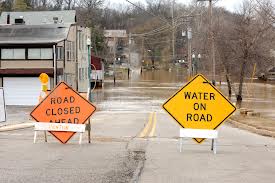
The fact is, disaster can strike quickly and without warning. It can require you to evacuate your community, office or school or can restrict you to your house. It can disrupt your life without notice.
What would you do if basic services-water, gas, electricity or telephones-were cut off? Neighborhood authorities and first responders will be on the scene after a disaster, however they can not reach everybody immediately. As a result, the very best way to make you and your household much safer is to be prepared and ready before a disaster strikes.
Below are some general tips to consider for getting ready for natural catastrophes:.
* Get to know the types of disasters that can happen in your neighborhood.
* Make a family interactions prepare that consists of an evacuation plan and coordinates with your school, work and neighborhood communication strategies. Practice this strategy with your entire family.
* Create a disaster supplies kit that consists of enough supplies for each family member for at least 3 days. Bear in mind to examine your kit every 6 months.
* See to it your child knows what smoke alarms, fire alarms and local neighborhood alerting systems (horns, sirens) sound like and how to react.
* Teach your kid how and, similarly vital, when to call for help. Even really children can be taught how and when to ask for emergency assistance.
* Children ought to memorize their family name, address and contact number. They need to likewise know where to meet in case of an emergency. Some children may not be old adequate to memorize the information. They can carry a little index card that details emergency details to give to an adult or baby sitter.
* If you commute to work, ensure you understand alternative routes and hold suitable supplies, such as a disaster supplies kit in your vehicle and a compact kit with bare important products such as a flashlight and whistle on public transportation.
Being prepared helps you and your household lessen the impact of a disaster such as a typhoon, earthquake, and flood or an emergency such as a fire or an injury. The less panic you feel, the more likely you will be able to respond appropriately to secure the safety of your family and possessions.
The Red Cross has ideas and techniques to help you prepare. The time to get ready for unanticipated situations is now-while you have time to establish a good strategy.
Popular Questions
How can preparing your family for disasters begin at home?
Start by discussing likely hazards in your area, such as severe storms, wildfires, floods, or power outages. Create a household emergency plan with evacuation routes, meeting places, emergency contacts, and instructions for pets or family members with special needs. Store printed copies of the plan where everyone can find them.
What supplies are essential when preparing your family for disasters?
Build an emergency kit with at least several days of water, shelf-stable food, medications, first-aid supplies, flashlights, batteries, blankets, hygiene items, and a battery-powered or hand-crank radio. Include copies of important documents, cash, phone chargers, and supplies for infants, older adults, pets, or anyone with medical needs. Check the kit twice a year and replace expired food, water, and medications.
What is the fastest way to improve Preparing Your Family for Disasters without making beginner mistakes?
The fastest way to improve Preparing Your Family for Disasters is to simplify the process and control one variable at a time. Start with the most important baseline: define the goal, identify the main failure point, and test one change before making another. Keep short notes so you can connect the outcome to the adjustment you made. This prevents guesswork and helps you build a repeatable method instead of chasing random fixes.
Auto Amazon Links: No products found.