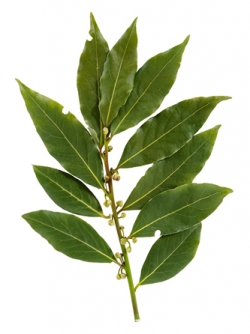
Bay leaves can be spread throughout the containers of grain or dried goods. Two bay leaves for small amounts up to one gallon or five leaves in larger buckets. Some people say this works well for them.
Just what is the science behind using bay leaves?
Bay leaves are toxic if the bug eats them. However, the bugs will happily climb right over them. Scientifically, there is no proof that bay leaves detour them completely only being toxic detours bugs from eating the bay leaf itself.
If you are still skeptical, choose another method just to be on the safe side.
Happy Preparation!
Donna Miller is an author, teacher and entrepreneur. Her favorite roles are that of wife and mother to three home-school graduates. The Millers own and operate Millers Grain House
Popular Questions
How does the bay leaf food storage method work for dry grains?
Place a few completely dry bay leaves among stored grains, beans, or other pantry staples. Their strong aroma may help discourage some pantry pests, although bay leaves are not a guaranteed insect-control method. Keep the food in a clean, airtight container and inspect it regularly for moisture, insects, or damage.
How many bay leaves should you use when storing food?
Use several whole, dried bay leaves for a large storage container rather than relying on a single leaf. Tuck the leaves around the surface or between portions of the food so their scent is distributed throughout the container. Avoid adding damp or moldy leaves, and replace them if they lose their aroma or show signs of deterioration.
Can bay leaves keep weevils out of stored grains?
Bay leaves are commonly used as a traditional deterrent for weevils and other pantry pests, but they cannot reliably eliminate an existing infestation. Before storage, examine grains for insects, webbing, clumps, or unusual odors. Combine the bay leaves with airtight containers, dry storage conditions, and routine checks for better protection.
Are bay leaves safe to use in food storage containers?
Whole, clean, fully dried bay leaves can be placed directly in containers holding dry foods. Remove the leaves before cooking, since their sharp texture can be unpleasant and they are not meant to be eaten whole. Do not use leaves treated with chemicals, exposed to moisture, or showing mold, discoloration, or an off smell.
Auto Amazon Links: No products found.