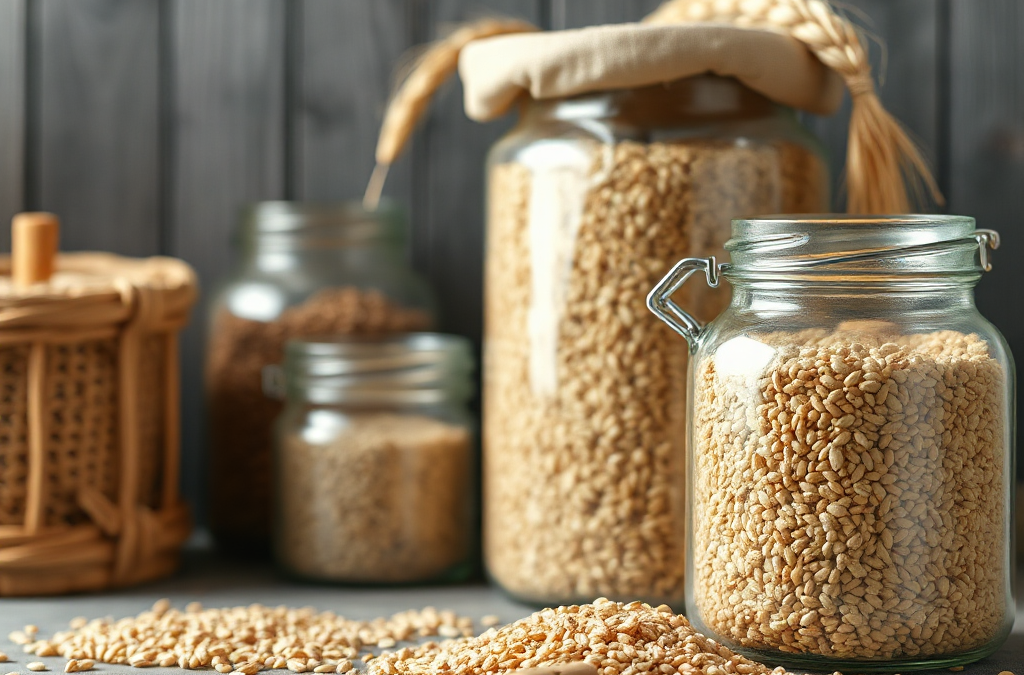
Grain storage with long shelf life is achieved by maintaining optimal conditions and using appropriate containers. To prevent spoilage, grains should be stored in a cool, dry environment, ideally between 50°F and 70°F, with humidity below 15%. Airtight containers, such as food-grade plastic or glass, are essential to protect against moisture and pests. Regularly monitoring the storage environment with hygrometers can help identify any issues early. Additionally, rotating your grain stock ensures older grains are used first, minimizing the risk of spoilage and maintaining quality over time.
Understanding Grain Storage Conditions
Proper grain storage conditions are vital for ensuring long shelf life. Grains should be kept in a cool, dry place, ideally between 50°F and 70°F (10°C to 21°C), with humidity levels below 15%. High temperatures and moisture can lead to mold growth and insect infestations, significantly reducing the quality and safety of stored grains. For example, storing grains in a basement may seem ideal due to its coolness, but if the basement is damp, it can lead to spoilage.
To achieve optimal storage conditions, consider using dehumidifiers or air conditioning in more humid climates. Furthermore, rotating grain stock regularly ensures that older grains are used first, preventing them from sitting too long and potentially spoiling. Monitoring temperature and humidity with hygrometers can provide valuable insights into the storage environment.
Choosing the Right Containers
Selecting appropriate containers is crucial for effective grain storage. Airtight containers made of food-grade plastic or glass are highly recommended, as they prevent moisture ingress and protect against pests. Avoid using cardboard boxes or non-airtight bags, as they are prone to moisture and pest damage.
For bulk storage, large plastic bins with tight seals can work well, while smaller containers are suitable for daily use. It’s important to label containers with the type of grain and the storage date, allowing for easy identification and management. For instance, vacuum-sealed bags can extend the shelf life of grains even further, as they eliminate air exposure.
Monitoring and Maintaining Grain Quality
Regularly monitoring stored grains is essential for maintaining their quality. Check for any signs of spoilage, such as unusual odors, discoloration, or insect presence. If any grains show signs of spoilage, remove them immediately to prevent contamination of the rest. Conducting periodic inspections every few months can help catch issues early.
Additionally, consider using oxygen absorbers in containers to further enhance preservation by reducing the oxygen levels that can lead to rancidity. Implementing a systematic approach to grain inventory, including tracking usage and replacement, can also help maintain quality over time.
Common Mistakes in Grain Storage
Many individuals make common mistakes that can compromise the integrity of stored grains. One frequent error is neglecting to clean grains before storage, which can introduce contaminants. Always clean grains to remove any debris or foreign materials. Another mistake is failing to store grains at the right temperature; heat can accelerate spoilage and decrease shelf life.
It’s also important not to overcrowd storage containers. Packed grains can create pockets of moisture, leading to spoilage. Leave some space in containers to allow for airflow. Lastly, avoid mixing different types of grains in the same container, as they have varying shelf lives and storage needs, which can complicate management and lead to waste.
Get Whole Wheat Flour, Grains and Milling Supplies – CLICK HERE

Frequently Asked Questions
What is the best temperature for grain storage?
The ideal temperature for storing grains is between 50°F and 70°F (10°C to 21°C) to prevent spoilage.
How can I tell if my grains have gone bad?
Signs of spoilage include unusual odors, discoloration, and the presence of pests or mold.
Can I mix different types of grains in storage?
It's best to avoid mixing different types of grains, as they have varying storage needs and shelf lives.
How often should I check my stored grains?
Inspect stored grains every few months to catch any signs of spoilage early and maintain quality.
What containers are best for grain storage?
Airtight containers made of food-grade plastic or glass are recommended for effective grain storage.
Conclusion
Effective grain storage with long shelf life hinges on maintaining optimal conditions, choosing the right containers, and regularly monitoring grain quality. By understanding the importance of temperature, humidity, and proper handling, you can significantly extend the lifespan of your grains. Avoiding common storage mistakes and implementing best practices will ensure that your grains remain nutritious and safe for consumption over time.
Get Whole Wheat Flour, Grains and Milling Supplies – CLICK HERE
Related Content
- What’s Wrong with a Typical Storage Food List?
- Effectively Managing Grain Storage Space in Small Homes: Practical Solutions and Space-Saving Techniques
- Dry Food Bulk Storage: Essential Containers and Techniques for Long-Term Preservation
- Food Storage Setup With Grains: Essential Steps for Efficient Long-Term Preservation
- Seeds: The Importance of Proper Harvesting and Storage
Auto Amazon Links: No products found.