
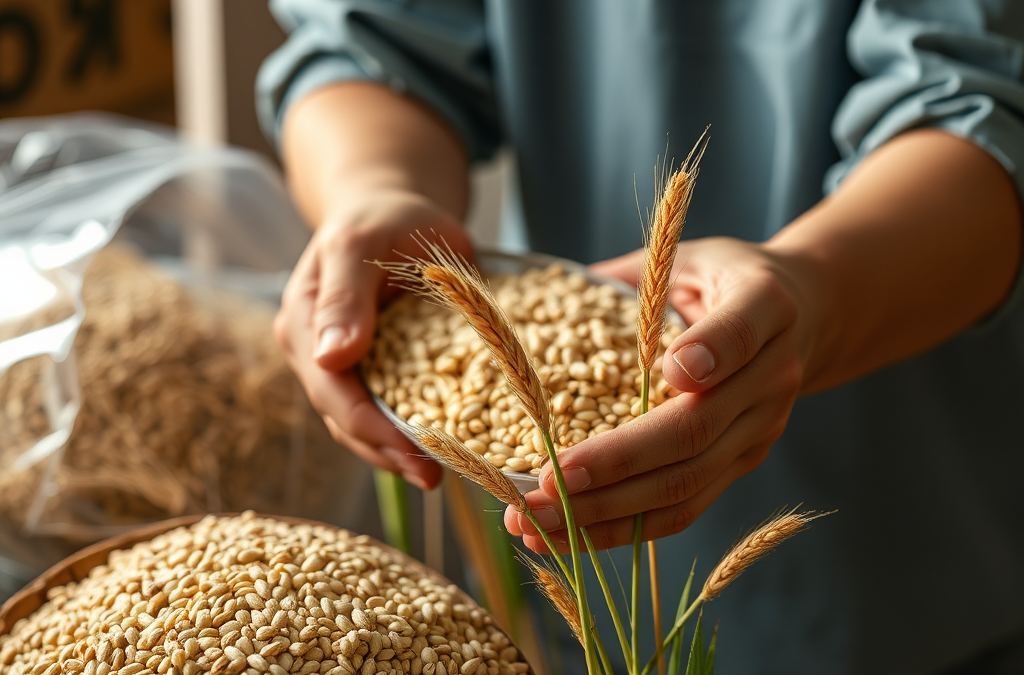
To ensure grains are free from chemicals, prioritize purchasing organic grains certified by reputable organizations. These grains are cultivated without synthetic pesticides and fertilizers, significantly reducing the risk of chemical residues. Additionally, thoroughly washing grains before cooking can help eliminate any surface contaminants. Proper storage in a cool, dry place is essential to prevent exposure to harmful substances during storage. By implementing these practices, you can enjoy safer, healthier grains.
Understanding Chemical Contamination in Grains
Chemical contamination in grains can occur during various stages of production, processing, and storage. Pesticides, herbicides, and fertilizers are commonly used in conventional agriculture, leading to residues that may remain on grains even after harvest. Understanding where these chemicals can enter the grain supply chain is crucial for consumers who prioritize health and safety.
Farmers often apply chemicals to control pests and enhance crop yields, but these substances can linger on grains. Additionally, grains can become contaminated during transportation and storage if not handled correctly. This contamination can lead to significant health risks for consumers, including potential allergic reactions and long-term health effects.
Awareness of these risks is the first step in ensuring the grains you consume are free from harmful chemicals. Identifying the sources of contamination allows consumers to make informed decisions about their grain purchases.
Choosing Organic Grains
One of the most effective ways to ensure grains are free from chemicals is to choose organic options. Organic grains are grown without synthetic pesticides or fertilizers, making them a safer choice for health-conscious consumers. When shopping for grains, look for certifications from reputable organizations that guarantee organic farming practices.
In addition to being chemical-free, organic grains often have higher nutritional value, as they are grown in healthier soil and without artificial additives. Examples of organic grains include quinoa, brown rice, and oats. These grains not only provide essential nutrients but also support sustainable farming practices.
However, it is essential to verify the authenticity of organic products. Some brands may falsely claim to be organic, so checking for certifications can help ensure you are purchasing genuine organic grains. By prioritizing organic grains, you can significantly reduce your exposure to harmful chemicals.
Proper Washing Techniques for Grains
Even with organic grains, it is advisable to wash them properly before cooking or consuming. Washing grains helps remove any remaining surface residues, dirt, or potential contaminants. For example, rinsing rice under cold water until the water runs clear can significantly reduce starch and impurities.
To wash grains effectively, follow these steps:
- Measure the desired amount of grains.
- Place the grains in a fine-mesh sieve or colander.
- Rinse under cold running water, gently stirring with your hand.
- Continue rinsing until the water is clear.
- Drain thoroughly before cooking.
It’s important to note that some grains, such as quinoa, benefit from soaking for a few hours before rinsing. This process not only helps remove any chemical residues but also enhances the grain’s digestibility. By adopting proper washing techniques, you can further ensure your grains are safe for consumption.
Safe Storage Practices
Proper storage of grains is critical to preventing chemical contamination. When grains are stored inappropriately, they can absorb moisture, leading to mold growth and pest infestations. To avoid these issues, store grains in airtight containers in a cool, dry place. Glass or plastic containers with tight-fitting lids are ideal for maintaining freshness and preventing exposure to contaminants.
Additionally, it is essential to keep grains away from chemical products, such as cleaning supplies or pesticides, to prevent cross-contamination. Regularly inspect your grain storage area for signs of pests or moisture, and discard any grains that show signs of spoilage.
Get Whole Wheat Flour, Grains and Milling Supplies – CLICK HERE

By implementing these safe storage practices, you can extend the shelf life of your grains while ensuring they remain free from harmful chemicals.
Frequently Asked Questions
What are common chemicals found in grains?
Common chemicals include synthetic pesticides, herbicides, and fertilizers used during conventional farming practices.
How can I tell if grains are organic?
Look for certifications from recognized organic certifying bodies on the packaging to ensure the grains are genuinely organic.
Is washing grains effective in removing chemicals?
Yes, washing grains can help remove surface residues and contaminants, enhancing their safety for consumption.
What are the best storage practices for grains?
Store grains in airtight containers in a cool, dry place, away from chemicals and moisture to prevent contamination.
Are all organic grains chemical-free?
While organic grains are grown without synthetic chemicals, they may still contain trace residues from environmental sources; however, they are significantly lower than conventional grains.
Conclusion
Ensuring your grains are free from chemicals involves a combination of choosing organic options, proper washing, and safe storage practices. By being proactive about your grain selection and handling, you can significantly reduce your exposure to harmful chemicals and enjoy the nutritional benefits that grains offer. Make these practices a part of your routine to enhance your overall health and well-being.
Get Whole Wheat Flour, Grains and Milling Supplies – CLICK HERE
Auto Amazon Links: No products found.





