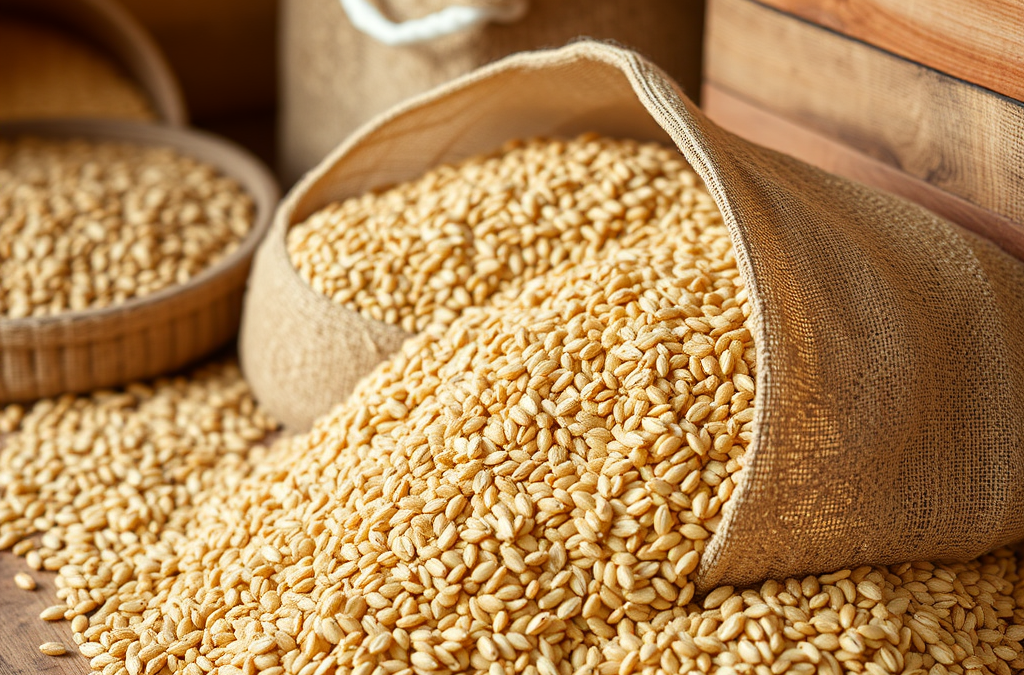
To maintain grain quality during storage, it is essential to control moisture levels and temperature effectively. Aim for a moisture content of 12-14% and store grains in a cool, dry environment, ideally between 50-70°F (10-21°C). Regularly inspect for pests and contaminants, as these can lead to spoilage. Additionally, using airtight containers can prevent moisture ingress and protect against mold growth. Implementing proper ventilation is also key to maintaining grain integrity and reducing the risk of degradation over time.
Understanding Grain Quality and Its Importance
Grain quality is paramount for ensuring the longevity and usability of stored grains. Quality refers to the physical and chemical characteristics of the grains, which affect their market value and usability in food production. Factors such as moisture content, temperature, and contamination play critical roles in determining grain quality. High-quality grains are less susceptible to spoilage and can be stored for longer periods without significant degradation.
Maintaining grain quality is not just about storage; it also involves understanding the specific needs of different types of grains. For instance, cereals like wheat and corn have varying ideal moisture levels for storage, typically between 12-14% moisture content. This knowledge is essential for effective long-term storage and can prevent economic losses due to spoilage.
Optimal Storage Conditions
To maintain grain quality during storage, it is crucial to establish optimal storage conditions. Temperature control is vital; grains should be stored in a cool, dry environment to minimize the risk of mold and pest infestations. The ideal temperature for grain storage is generally between 50-70°F (10-21°C). This range helps to inhibit the growth of mold and other spoilage organisms.
Moisture control is equally important. Excess moisture can lead to the development of mold and the proliferation of pests. Regularly checking the moisture levels and ensuring they remain within the ideal range can significantly extend the life of stored grains. Additionally, using airtight containers can help maintain the desired moisture levels and protect against pests.
Proper ventilation is another critical aspect of maintaining grain quality. Adequate airflow helps reduce moisture build-up and prevents heat accumulation, which could lead to spoilage. Ventilation systems can be installed in storage silos or bins to facilitate airflow and maintain stable conditions.
Monitoring and Maintenance Practices
Regular monitoring is essential for maintaining grain quality. This includes checking moisture levels, temperature, and inspecting for signs of pests or spoilage. Implementing a routine inspection schedule allows for early detection of potential issues and timely intervention. For example, if moisture levels exceed the ideal range, immediate action should be taken to reduce moisture through ventilation or dehumidification.
Another effective practice is to rotate stored grains periodically. This helps to ensure that older grains are used first, preventing them from sitting in storage for extended periods where they may degrade in quality. Implementing a first-in, first-out (FIFO) system can be beneficial in managing grain inventory.
Using pest control measures is also crucial. Regularly inspecting storage areas for signs of infestations and employing traps or natural deterrents can help prevent pest-related damage. If infestations are detected, immediate action must be taken to mitigate the problem, including potentially removing affected grains.
Common Mistakes to Avoid
Several common mistakes can undermine efforts to maintain grain quality during storage. One of the most prevalent errors is neglecting to monitor moisture levels. Failing to check moisture can lead to unforeseen spoilage, as moisture content can change due to environmental conditions.
Another mistake is using inappropriate storage containers. Containers that are not airtight or that allow moisture infiltration can compromise grain quality. It’s vital to select containers specifically designed for grain storage, such as sealed bins or silos that provide protection against pests and moisture.
Get Whole Wheat Flour, Grains and Milling Supplies – CLICK HERE

Overlooking ventilation needs is another frequent oversight. Without proper airflow, moisture can accumulate, leading to spoilage. Regularly assessing and adjusting ventilation systems is essential to maintaining a stable environment within storage facilities.
Frequently Asked Questions
What are the best conditions for storing grains?
The best conditions for storing grains include maintaining a cool temperature (50-70°F) and controlling moisture levels to prevent mold and pests.
How often should I check stored grains?
Stored grains should be checked every few weeks for moisture levels, temperature, and signs of pests or spoilage.
What types of containers are best for grain storage?
Airtight containers, such as sealed bins or silos designed for grain storage, are ideal as they protect against moisture and pests.
Can I store different types of grains together?
It is generally advisable to store different types of grains separately to avoid contamination and ensure optimal storage conditions for each type.
What are the signs of spoilage in stored grains?
Signs of spoilage include unusual odors, visible mold, discoloration, and the presence of pests. Immediate action should be taken if any of these signs are observed.
Conclusion
Maintaining grain quality during storage is essential for ensuring the longevity and usability of grains. By establishing optimal storage conditions and implementing regular monitoring practices, grain owners can significantly reduce the risk of spoilage. Understanding common mistakes and taking proactive measures can help safeguard grain quality, ensuring that stored grains remain viable for future use.
Get Whole Wheat Flour, Grains and Milling Supplies – CLICK HERE
Auto Amazon Links: No products found.