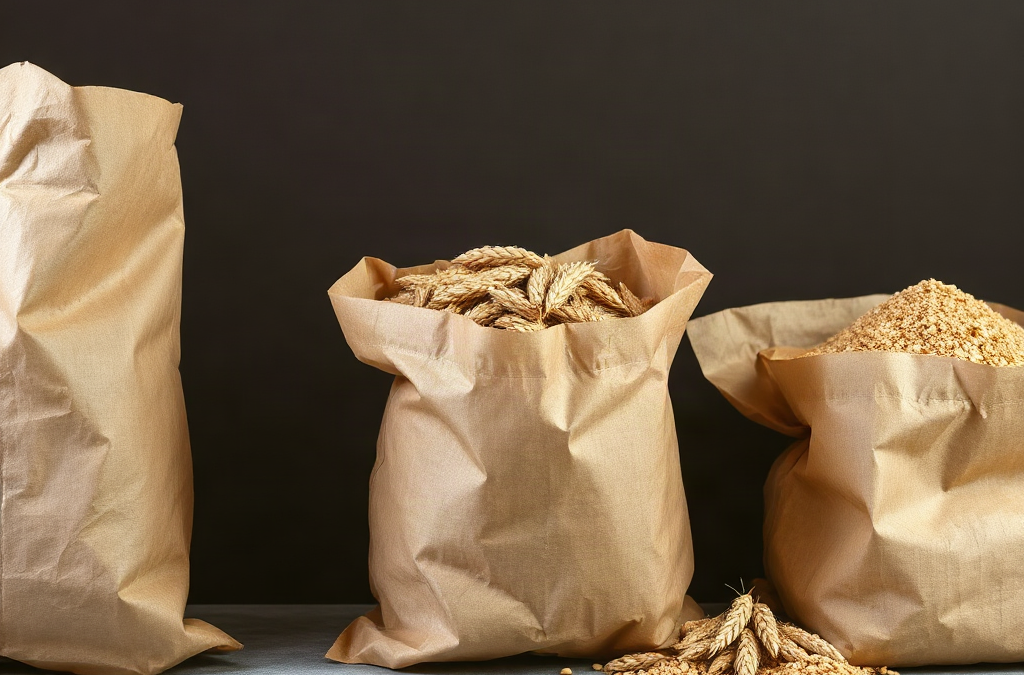
Whole wheat storage in paper bags is suitable only for short-term pantry use because paper allows moisture, oxygen, odors, and insects to reach the kernels. Keep each bag in a cool, dry, dark cabinet, inspect its seams and contents regularly, and use the wheat promptly rather than treating the original packaging as a durable barrier. For better protection, place the intact bag inside a clean food-grade container with a tight lid, provided the wheat is already dry and at room temperature. Move it to more protective packaging if humidity, pests, dampness, unusual odors, or extended storage are concerns.
What Can Paper Bags Protect Wheat From?
A paper bag is mainly a handling package, not a complete storage system. It keeps kernels together, permits labeling, and offers limited protection from dust and light. Its pores, folded seams, and closure do not reliably block humid air, pantry insects, liquid spills, or strong surrounding odors. That distinction matters because wheat berries may look unchanged even while their storage environment is deteriorating.
Whole kernels generally retain quality better than milled whole-wheat flour because their outer structure protects the oil-rich germ and interior components. That advantage does not make them immune to moisture or infestation. Paper exchanges air with the room, so grain stored beside a steamy kitchen, damp exterior wall, or frequently opened window experiences the surrounding humidity. If the kernels take up enough moisture, their texture and odor may change, and conditions can become more favorable for mold or insect activity.
Consider two bags from the same purchase. One remains on a raised pantry shelf in an air-conditioned interior room; the other sits on a garage floor through warm, humid weather. The packaging is identical, but the second bag faces wider temperature swings, possible condensation near masonry, rodents, and airborne odors from fuel or chemicals. The package alone cannot compensate for a poor site.
Paper does have one practical advantage: it does not trap newly packed warmth as aggressively as an immediate airtight seal might. If wheat has just arrived from a hot vehicle, letting the unopened bag reach a stable indoor temperature before overpacking it reduces the chance of sealing warm grain in a cooler container. Paper should not, however, be used to dry grain of uncertain moisture content. Home observation cannot reliably establish whether questionable kernels are dry enough for extended sealed storage.
Treat the printed or folded bag as the first layer. Check whether it is food packaging rather than a reused sack, whether the bottom and side seams are intact, and whether there are pinholes, webbing, powdery residue, or gnaw marks. A clean bag in a controlled pantry can work for a supply that will be consumed soon. A damaged bag, humid room, or uncertain use date calls for a stronger barrier rather than extra folding or tape.
How Should You Choose a Safe Storage Location?
The best location is a stable interior space that stays dry, cool, clean, and separated from odor-producing materials. Choose a shelf away from a sink, dishwasher, stove, water heater, laundry appliance, exterior door, and direct sunlight. Temperature stability matters alongside temperature itself: repeated warming and cooling can move moisture within a package or container even when no water is visibly present.
Elevation is a simple improvement. Set the bag on a clean shelf rather than directly on concrete or a basement floor. Concrete can be cool and damp, floor-level packages are easier targets for pests, and small plumbing leaks often reach the floor before anyone notices them. Leave enough space around the package to see the back, bottom, and nearby wall during inspections. Hiding a bag behind rarely moved equipment makes early signs of trouble easier to miss.
Odor control deserves equal attention because paper is permeable. Wheat stored beside onions, scented cleaners, paint, gasoline, pet supplies, or musty cardboard may acquire unwanted smells. A pantry that appears dry but smells stale or chemical is not a good location. A lidded food-grade overcontainer can reduce exposure, but it should not be expected to make a contaminated room suitable for food.
Seasonal conditions can change the decision. An interior cupboard may remain dependable through winter but become warm and humid in summer. A basement may feel cool while exposing paper to damp air. A garage offers space but usually has larger swings and more pest access than an indoor pantry. When the environment cannot be controlled, improving the package is more realistic than repeatedly moving the same paper sack from one marginal spot to another.
Inspect the site before placing the wheat. Look for water staining, insect activity, rodent droppings, condensation, cracked containers, and nearby products with pronounced odors. Then reassess after heavy rain, a plumbing incident, prolonged humid weather, or pest activity elsewhere in the home. The storage location is working when the bag remains crisp and dry, the kernels pour freely, and no new smell, residue, or damage appears. Soft paper, clumped kernels, a musty odor, or fresh holes indicate that the conditions or barrier have failed.
Paper-Bag Storage Checklist
A useful routine begins when the wheat enters the home, not after the bag has spent months at the back of a cabinet. Record what the package contains, when it was purchased or packed, and which bag should be used first. The printed product date may provide additional context, but it does not replace inspection because handling and household conditions affect quality after purchase.
- Examine the package. Check seams, closures, punctures, stains, webbing, and unexplained dust before placing it with other dry foods.
- Observe the kernels. Look through the opening, if already opened, for live insects, clumping, discoloration, foreign material, or moisture. Do not taste suspicious grain to decide whether it is acceptable.
- Let temperature stabilize. If the bag is warm or cold from transport, keep it dry and allow it to approach room temperature before enclosing it in a tight secondary container.
- Label for rotation. Write the product name and purchase or packing date where they remain easy to read. Mark an opened date once the seal is broken.
- Choose the shelf deliberately. Keep the bag elevated, shaded, and away from water, heat, pests, and strong odors.
- Inspect repeatedly. Recheck the bag and nearby shelf during normal pantry rotation and whenever environmental conditions change.
A clean food-grade bucket or rigid pantry container with a well-fitting lid can serve as secondary protection while preserving the original bag and its label. The container must be completely dry and free of residual food odors. Do not use a vessel that previously held chemicals, nonfood products, or strongly scented ingredients. Avoid compressing a paper sack into a container so tightly that it tears against the rim or lid.
Opening the bag changes the weak point. Roll or fold the top neatly, secure it against spilling, and return it to its protective container. A clip makes handling easier but does not create a moisture- or insect-proof seal. Scoop wheat with a dry, clean utensil rather than a damp measuring cup, and do not pour unused kernels from the kitchen back into the main supply if they may have contacted water or other ingredients.
Get Whole Wheat Flour, Grains and Milling Supplies – CLICK HERE 
Rotation is more dependable than trying to assign one universal shelf life. Use the oldest acceptable package first, keep quantities aligned with actual consumption, and avoid adding fresh wheat to an older bag. Mixing lots hides their history and can spread an unnoticed insect problem. If a package will remain untouched for a prolonged period, redesign the packaging rather than assuming regular inspection can overcome paper’s permeability.
When Should You Change the Packaging?
Change the packaging when the planned storage period exceeds ordinary pantry rotation or when the room cannot reliably protect paper from moisture and pests. A sealed food-grade container is a practical next layer for routine household use. More specialized long-term systems require correctly dried grain, packaging intended for food storage, sound seals, and a method matched to the expected duration and environment. Simply placing questionable wheat in an airtight vessel may preserve the problem instead of solving it.
The choice depends on the risk being addressed. A rigid container helps prevent crushing and rodent access. A tight lid reduces exposure to humid room air and insects. An opaque container or dark cupboard limits light. No single feature corrects wet grain, existing infestation, contamination, or repeated exposure to heat. Likewise, a decorative countertop jar may seal well but perform poorly if it sits in sunlight beside a stove.
Move wheat promptly if the paper tears, absorbs a spill, becomes greasy, develops an odor from its surroundings, or shows pest damage. Transfer only grain that still appears clean, dry, and normal. When insects are visible in one package, isolate it from the pantry while examining neighboring dry goods and shelf crevices. Moving infested kernels into a new bucket without addressing the source merely relocates the infestation.
Some findings call for disposal rather than repackaging. Do not retain wheat with visible mold, persistent musty or rancid odors, unexplained dampness, chemical contamination, rodent contact, or substantial deterioration. Washing or cooking is not a dependable remedy for every contaminant associated with poor storage. When the condition is uncertain and food safety is in doubt, discarding the affected grain is the more cautious choice.
Repackaging is succeeding when the container stays dry, closes fully, has no cracks or distorted gasket, and the grain remains free-flowing with its expected color and neutral wheat aroma. Failure signs include condensation inside the container, kernels sticking together, recurring insects, swelling or distortion of the package, and odors that return after transfer. Investigate the environment and the grain rather than repeatedly changing containers. The priority order is straightforward: confirm acceptable grain, stabilize the location, select a suitable food-contact barrier, label the lot, and continue rotation.
Frequently Asked Questions
Can wheat berries stay in their original paper bag?
Yes, for prompt use in a consistently cool, dry, pest-free pantry. Place the bag in a clean lidded food-grade container if spills, insects, odors, or humidity are realistic concerns.
Should a paper bag be placed inside a plastic container?
A dry, food-grade container with a tight lid adds useful protection without removing the original label. Let a bag that is unusually warm or cold reach room temperature before closing the container.
Does folding the top make the bag airtight?
No. Folding or clipping controls spills, but paper and its seams still exchange air and admit small pests. Use a suitable sealed outer container when a stronger barrier is needed.
How can you tell whether stored whole wheat has deteriorated?
Check for dampness, clumps, discoloration, insects, webbing, mold, and musty, rancid, or chemical odors. Dispose of grain affected by mold, contamination, rodent contact, or unexplained moisture.
Can new wheat be poured into a bag containing older wheat?
Keeping lots separate is safer for rotation and inspection. Combining them obscures their age and may spread insects or quality problems from an older supply into fresh grain.
Conclusion
Paper packaging is most useful when it supports quick rotation in a controlled pantry, not when it is asked to resist years of humidity, pests, and temperature changes. Begin by inspecting both kernels and seams, then choose an elevated interior shelf away from water, heat, sunlight, chemicals, and strong-smelling foods. Preserve the original label, date the package, and keep different purchases separate.
If the environment is variable or consumption will be delayed, place sound, dry wheat in an appropriate food-grade protective system rather than relying on folds or clips. Continue checking for package damage, insects, clumping, condensation, and abnormal odors. Repackage only grain that remains acceptable; discard wheat showing mold, contamination, rodent contact, or unexplained dampness. Matching package strength to the intended storage period is the practical next step.
Get Whole Wheat Flour, Grains and Milling Supplies – CLICK HERE
Auto Amazon Links: No products found.