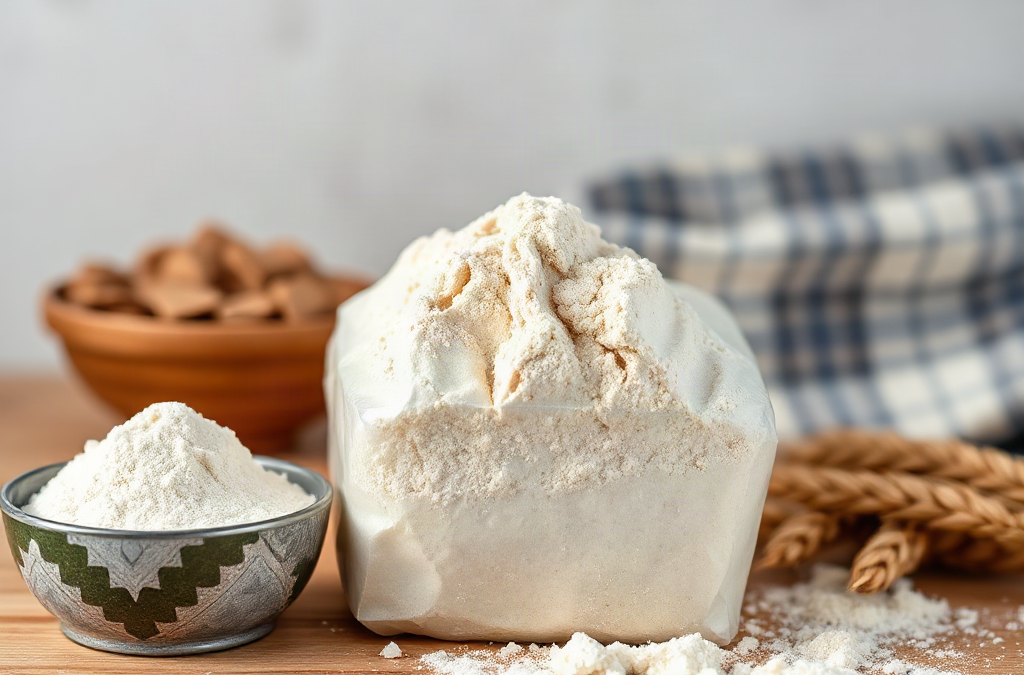
Freeze whole wheat flour for freshness when you will not use an opened package within about one month, or sooner if your kitchen is warm, humid, or exposed to temperature swings. The bran and germ contain oils that oxidize more readily than those in refined flour, eventually producing stale, bitter, or paint-like aromas. Transfer the flour to an airtight, freezer-safe container, divide large amounts into practical portions, and label each package with the date. Before opening frozen flour, let the sealed container reach room temperature so condensation forms outside the package rather than on the flour. Freezing preserves good flour but cannot reverse rancidity that has already developed.
Why Whole Wheat Flour Benefits From Earlier Freezing
Whole wheat flour changes faster than refined white flour because it contains the entire wheat kernel, including the bran and oil-rich germ. Milling breaks the kernel into small particles and exposes more surface area to oxygen. Once exposed, the natural fats in the germ gradually oxidize. Warmth, light, air, and time accelerate that process, while cold storage slows it.
The first loss is often flavor rather than food safety. Fresh whole wheat flour may smell mildly nutty, grassy, or neutral, depending on the wheat and milling method. Deteriorating flour can develop a stale cardboard note, persistent bitterness, or an odor compared with old cooking oil, crayons, or paint. Baking does not reliably conceal advanced rancidity. A loaf made with affected flour may taste bitter even when the yeast, fermentation, and recipe were handled correctly.
Package dates are useful, but they cannot describe conditions after purchase. A bag kept beside an oven in summer ages differently from the same product held in a cool pantry. Finely milled flour also has greater exposed surface area than intact wheat berries, so storage advice for whole kernels should not be applied directly to flour. The freezer becomes especially valuable once the package is open and its original protective environment has been disturbed.
A common mistake is assuming that “whole grain” means naturally suited to lengthy pantry storage. The nutritional components retained during milling are precisely what make the flour more vulnerable to flavor decline. Freezing does not improve the flour or make it last indefinitely; it simply slows the reactions responsible for quality loss. Starting with flour that smells clean and tastes normal matters more than choosing an elaborate container after deterioration has begun.
Readers comparing pantry, refrigerator, and freezer options should focus on expected use rather than searching for one universal expiration date. Pantry storage is convenient for rapid turnover. Refrigeration offers a middle ground when freezer space is limited, although it still requires tight packaging. Freezing is the strongest practical choice for surplus flour, occasional bakers, warm homes, and bulk purchases.
Deciding When the Freezer Is Necessary
The best freezing point is determined by how quickly the flour will be used and the conditions surrounding it. If an opened bag will be consumed within roughly a month and the pantry remains cool, dry, dark, and free from strong odors, keeping a working quantity at room temperature is reasonable. If the flour will sit longer, freezing it promptly preserves more of its original flavor than waiting until the end of that period.
Household habits often provide a clearer answer than a printed date. Someone baking whole wheat bread twice a week may finish a small bag before noticeable deterioration occurs. A person using two tablespoons at a time for pancakes or sauces could keep the same bag open for months. In the second situation, dividing and freezing the flour immediately is the better fit, even if the kitchen itself is relatively cool.
Move flour to cold storage sooner when any of these conditions apply:
- The package is larger than the amount normally used in four to six weeks.
- The pantry becomes warm during summer or sits near an oven, dishwasher, water heater, or sunny wall.
- Humidity is high or indoor temperatures fluctuate substantially.
- The flour is stone-ground, locally milled, or sold with limited shelf-life information.
- The package has been opened and will be used only occasionally.
An unopened retail bag is not automatically protected from every storage problem. Paper packaging exchanges air and offers little defense against humidity, pantry insects, or surrounding odors. If a bulk purchase must wait several months, place it in protective packaging and freeze it rather than relying on the unopened paper sack. Check the mill’s label when it supplies more specific instructions, because processing and packaging vary.
Refrigeration can work for flour expected to be used over the next few months, particularly when freezer capacity is scarce. The tradeoff is that refrigerators contain moisture and aromatic foods, so a loosely folded bag is a poor choice. Freezing is generally more suitable for longer intervals, but repeated removal of one large container introduces temperature changes and possible condensation. A small pantry container backed by frozen reserve portions combines convenience with better preservation.
For a simple purchasing rule, estimate one month of normal use and keep no more than that amount readily accessible. Freeze the balance on the day the package is opened. This approach makes when to freeze whole wheat flour for freshness a rotation decision rather than a reaction to suspicious smells.
Packaging Flour to Prevent Moisture and Odor Damage
Effective freezer packaging limits air exchange, moisture entry, odor absorption, and accidental spills. A freezer-safe rigid container with a tight lid works well for flour used regularly. Heavy freezer bags are more space-efficient, but they should be closed carefully and protected from punctures. Thin retail paper, twist-tied produce bags, and loosely covered bowls are not dependable freezer barriers.
Portion size should match actual baking habits. A household making bread with three cups of flour at a time might package several recipe-sized amounts. An occasional baker may prefer one- or two-pound portions. Smaller packages thaw faster and allow the remaining supply to stay sealed and cold. They also reduce the temptation to open a large frozen container repeatedly, which exposes its contents to humid room air.
Use this compact packing sequence:
- Inspect the flour. Smell it before freezing and discard it if the odor is bitter, oily, musty, or otherwise abnormal.
- Choose practical portions. Separate a short-term working amount from the reserve.
- Remove excess air. Press air gently from freezer bags without scattering or compacting the flour excessively.
- Seal and label. Record the flour type, purchase or milling date if known, and freezing date.
- Place it securely. Keep packages away from items likely to puncture them or transfer strong odors.
Vacuum sealing can reduce air exposure and create compact packages, but it is not required for ordinary household storage. Fine flour may be drawn toward a vacuum sealer’s channel, so users often leave extra headspace or place the flour in an inner bag before sealing. A sturdy airtight container is simpler when the flour will be accessed within several months. The better method is the one that remains fully sealed and fits the household’s rotation pattern.
Get Whole Wheat Flour, Grains and Milling Supplies – CLICK HERE 
Do not add oxygen absorbers or desiccants casually to flour intended for routine culinary use. Such products require suitable packaging and correct handling, and they do not compensate for damp flour or an unreliable seal. For normal freezer preservation, dry flour, a food-safe barrier, limited headspace, and stable cold conditions are sufficient.
Labeling prevents an avoidable failure: an anonymous package left at the back of the freezer until no one trusts it. Dates are rotation tools rather than guarantees. Use the oldest sound package first and keep an inventory if several flour types look alike. For more planning context, the same whole wheat flour freezing decision should account for package size as well as available freezer room.
Freezing, Thawing, and Checking Flour Before Use
Freeze packaged flour promptly and keep it at a stable freezer temperature rather than placing it in a door compartment that warms with frequent opening. The flour does not need a special preparation once it is dry, fresh, and sealed. It will remain a loose powder under normal freezer conditions, although minor clumps can occur if moisture was present before packaging or enters through a weak seal.
Condensation is the main handling risk during removal. Warm, humid air deposits water on cold surfaces. If a frozen container is opened immediately, that moisture can reach the flour and create damp spots or clumps. Leave the package sealed until the contents approach room temperature. Small portions may warm relatively quickly, while a dense container needs more time. Judge by the temperature of the package rather than following a rigid number of minutes.
Flour can often be measured cold for recipes where the slight temperature difference is unimportant, but the package should still remain closed during warming if it will be returned to storage. For yeast dough, very cold flour can lower the dough’s starting temperature and slow fermentation. Letting the required portion warm before mixing makes recipe timing more predictable. Cookies and pastries may respond differently to ingredient temperature, so follow the recipe’s intended method.
Avoid cycling the full reserve between the freezer and counter. Although one brief thaw does not automatically ruin dry flour, repeated changes increase opportunities for condensation and odor exposure. Keep one working container in the pantry or refrigerator and replenish it from sealed frozen portions. That arrangement is more reliable than dipping into a large frozen bin every few days.
Check each thawed portion with sight, smell, and a small taste before committing it to a large recipe. Dry flour should not show wet clumps, mold-like growth, insect activity, or an unpleasant oily or musty odor. Rancid flour may look completely normal, making smell and flavor especially useful. If the package was torn, unsealed, water-damaged, or contaminated by another food, discard it rather than trying to dry or sift away the problem.
Freezing pauses neither time nor every form of deterioration. It greatly slows oxidation but does not restore flavor, remove mold contamination, or guarantee that compromised flour is suitable to eat. Quality recommendations also vary by manufacturer and packaging method. Rotate frozen flour within a practical span—often several months rather than many years—and reassess it whenever it has been stored longer than planned. The strongest sign that the system is working is flour that remains dry, free-flowing, clean-smelling, and consistent in baked flavor.
Frequently Asked Questions
Should whole wheat flour be frozen immediately after purchase?
Freeze it immediately if you bought more than you can use within about a month, especially in a warm or humid home. A small quantity intended for frequent baking can remain in a cool, airtight pantry container.
Can whole wheat flour stay in its original bag in the freezer?
Paper bags offer limited protection from moisture, odors, and damage. Place the original bag inside a tight freezer container or transfer the flour to a heavy freezer bag before freezing.
Does frozen whole wheat flour need to thaw before baking?
Let the sealed package warm before opening to control condensation. The measured flour should also warm if its cold temperature could affect yeast fermentation or a temperature-sensitive recipe.
Can rancid flour be made fresh by freezing it?
No. Cold storage slows further oxidation but cannot reverse stale, bitter, oily, or paint-like flavors that have already formed.
Is refrigeration enough for whole wheat flour?
Refrigeration is useful for medium-term use when freezer space is limited. Keep the flour airtight because refrigerators contain moisture and food odors; choose freezing for larger reserves held longer.
Conclusion
Match cold storage to the rate at which flour actually leaves your kitchen. Keep only a short-term working supply at room temperature, then divide the remainder into sealed, labeled portions that suit your usual recipes. Good packaging matters as much as low temperature because flour readily encounters air, humidity, freezer odors, and punctured bags.
When removing a portion, allow the closed package to lose its chill before opening, and inspect the flour before mixing a full batch. Clean aroma, dry texture, and dependable baked flavor indicate that the storage routine is doing its job. Bitter odors, damp clumps, damaged packaging, or repeated freeze-thaw cycles call for closer scrutiny. Buying manageable quantities and rotating the oldest package first will usually protect quality more effectively than keeping an oversized reserve indefinitely.
Get Whole Wheat Flour, Grains and Milling Supplies – CLICK HERE
Auto Amazon Links: No products found.