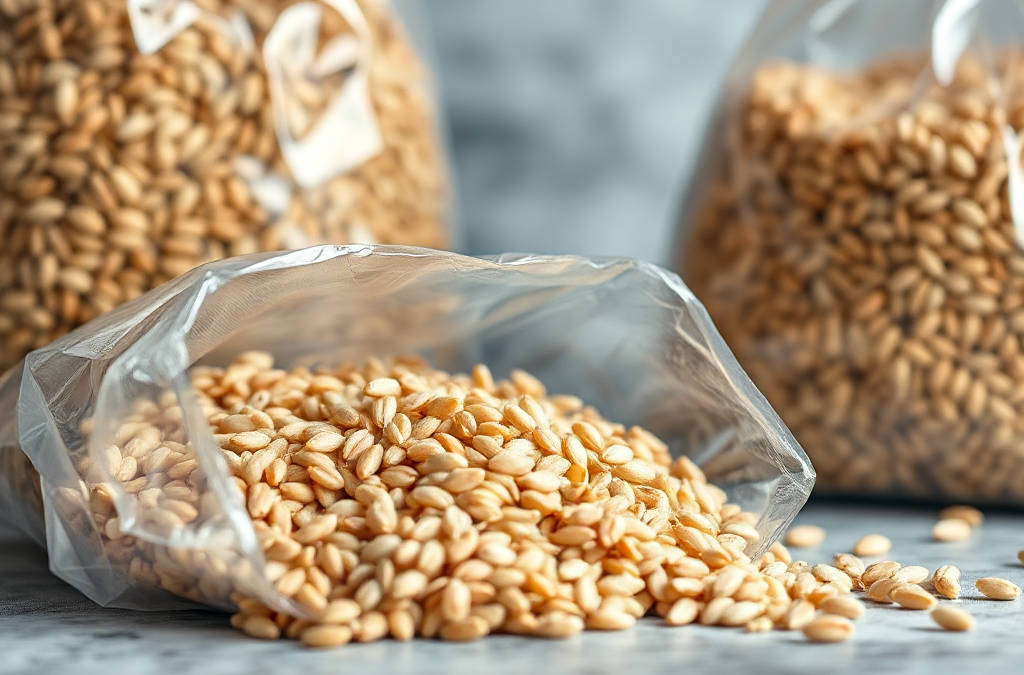
Choosing the right oxygen absorbers for grains involves selecting the appropriate size and type based on the specific grain storage needs. Consider factors such as the volume of grains, the desired shelf life, and the type of packaging used. For instance, larger bags of grains may require multiple absorbers, while smaller packages might only need one. Additionally, ensure that the absorbers are compatible with the grain type to prevent spoilage and maintain freshness.
Understanding Oxygen Absorbers
Oxygen absorbers are essential tools for preserving the quality of stored grains by reducing the oxygen levels in packaging. They work by chemically reacting with oxygen, effectively removing it from the environment where grains are stored. This process helps prevent spoilage, mold growth, and the degradation of flavor and nutritional value. Understanding how these absorbers function and their role in grain storage is crucial for maintaining the integrity of your food supply.
When oxygen is present, it encourages the growth of bacteria and fungi, which can lead to spoilage. By using oxygen absorbers, you can significantly extend the shelf life of grains, making them suitable for long-term storage. It’s important to note that different grains may react differently to oxygen exposure; thus, the right choice of absorbers is vital.
Factors to Consider When Choosing Oxygen Absorbers
Several key factors should guide your selection of oxygen absorbers for grain storage:
- Volume of Grains: The amount of grain being stored will dictate how many oxygen absorbers you need. For larger quantities, multiple absorbers may be necessary to ensure effectiveness.
- Type of Grain: Different grains have varying storage requirements. For example, grains like rice and wheat may need different levels of oxygen absorption compared to legumes.
- Packaging Type: The material and sealing method of your packaging can influence the performance of oxygen absorbers. Airtight containers will work better with absorbers than loosely sealed bags.
- Desired Shelf Life: Consider how long you plan to store the grains. If you’re aiming for long-term storage, select absorbers designed for extended periods.
Incorporating these factors into your decision will ensure optimal preservation of your grains.
Types of Oxygen Absorbers Available
Oxygen absorbers come in various types and sizes, each suited for different applications. Here are some of the most common types:
- Iron-Based Absorbers: These are the most common type and work by oxidizing iron powder. They are effective and widely used for food storage.
- Non-Iron Absorbers: These absorbers use alternative methods, such as chemical reactions that do not involve iron. They may be less effective for certain applications but can be useful in specific scenarios.
- Pre-Packaged Absorbers: Many suppliers offer pre-packaged oxygen absorbers that are ready to use. These are convenient for users who are new to grain storage.
- Custom Sizes: Some companies provide custom-sized absorbers tailored to specific packaging needs, which can be beneficial for large-scale storage.
Selecting the right type of oxygen absorber is crucial for effective grain preservation, as each has its strengths and weaknesses.
Common Mistakes to Avoid
When selecting and using oxygen absorbers for grains, certain pitfalls can lead to ineffective preservation. Here are some common mistakes to avoid:
- Underestimating Absorber Quantity: Using too few absorbers can leave oxygen in the packaging, leading to spoilage. Always calculate the required number based on your grain volume.
- Ignoring Packaging Integrity: If the packaging is not airtight, the absorbers will not perform effectively. Ensure that all containers are properly sealed.
- Using Expired Absorbers: Oxygen absorbers have a shelf life. Using expired products can result in poor performance. Always check expiration dates before use.
- Not Testing Performance: If you’re unsure about the effectiveness of your absorbers, conduct a test storage to monitor grain condition over time.
Avoiding these mistakes can significantly enhance the effectiveness of oxygen absorbers in preserving grains.
Frequently Asked Questions
What size oxygen absorber should I use for my grains?
The size of the oxygen absorber depends on the volume of grains you're storing. Generally, larger quantities require more absorbers to effectively reduce oxygen levels.
How do I know if my oxygen absorbers are still effective?
You can check the packaging for expiration dates. Additionally, if the absorbers are no longer firm, they may have lost their effectiveness.
Can I reuse oxygen absorbers?
No, oxygen absorbers are designed for one-time use. Once they have absorbed oxygen, they cannot be recharged or reused.
What types of packaging work best with oxygen absorbers?
Airtight packaging such as vacuum-sealed bags or glass jars works best with oxygen absorbers to maintain low oxygen levels.
Are there any safety concerns with using oxygen absorbers?
Oxygen absorbers are generally safe, but they should not be ingested. Keep them out of reach of children and pets.
Conclusion
Choosing the right oxygen absorbers for grains is a critical aspect of effective food preservation. By considering factors such as the volume of grains, packaging type, and the specific needs of different grains, you can select absorbers that will maximize shelf life and maintain quality. Avoiding common mistakes and understanding the types of absorbers available will further enhance your storage strategy. Prioritize testing and monitoring your stored grains to ensure that they remain fresh and safe for consumption.
Get Whole Wheat Flour, Grains and Milling Supplies – CLICK HERE

Auto Amazon Links: No products found.