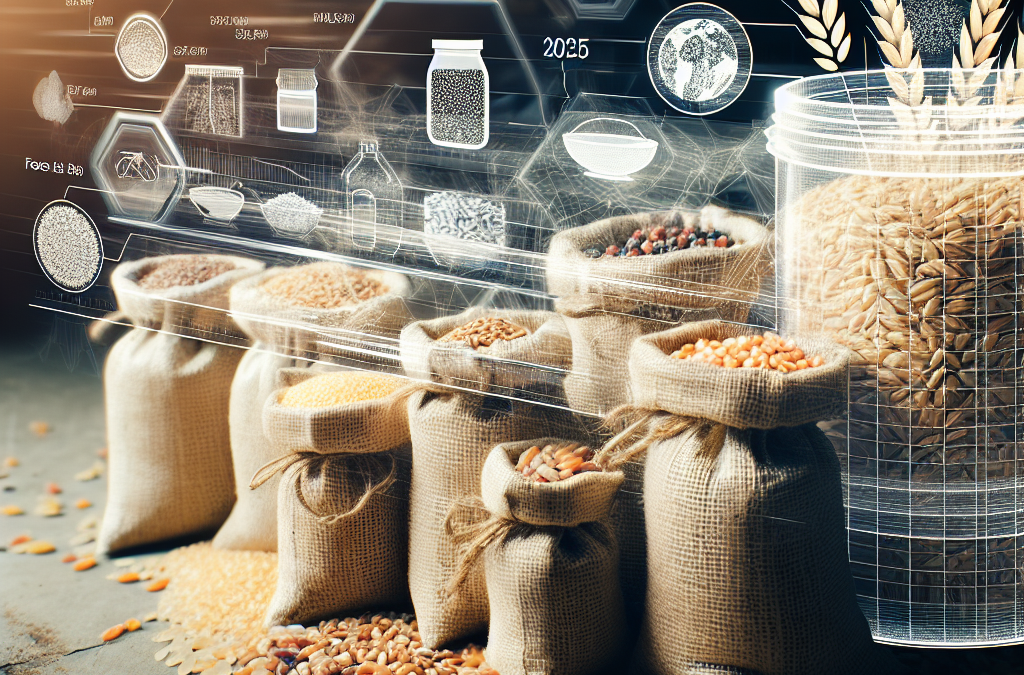
Dry storage food ideas encompass a range of nutritious options that are perfect for long-term preservation. Whole grains like rice, oats, and quinoa are excellent choices due to their versatility and high fiber content. Additionally, legumes such as beans and lentils provide essential protein and can be incorporated into various meals. To maximize the shelf life of these foods, store them in airtight containers and keep them in a cool, dry place. Avoid products with excessive additives, and consider vacuum-sealed packaging for optimal longevity.
Understanding Dry Storage Foods
Dry storage foods are non-perishable items that can be preserved for extended periods without refrigeration. These foods are essential for emergency preparedness and can form a foundational part of a healthy diet. The key to effective dry storage is selecting items that not only last long but also provide necessary nutrients. Understanding the characteristics of various dry storage foods helps in making informed choices.
Many people overlook the importance of dry storage foods, assuming they are less nutritious than fresh options. However, with proper selection and storage methods, dry foods can maintain their nutritional value over time. They are also often more economical and easier to store, as they require less space and can be purchased in bulk.
Best Foods for Dry Storage
Some of the best foods for dry storage include whole grains, legumes, and dehydrated fruits and vegetables. Whole grains like rice, oats, and quinoa are excellent choices due to their high fiber content and versatility in meals. Legumes such as beans and lentils are rich in protein and can be used in a variety of dishes.
Dehydrated fruits and vegetables not only add flavor and variety but also retain many of their vitamins and minerals. When selecting these items, look for those with minimal additives and preservatives. Additionally, consider vacuum-sealed options, as they tend to have a longer shelf life compared to those in regular packaging.
Storage Techniques for Longevity
Proper storage techniques are crucial for maximizing the shelf life of dry foods. Store items in airtight containers to protect them from moisture and pests. Glass jars, Mylar bags with oxygen absorbers, and food-grade buckets are ideal for this purpose. Label each container with the contents and date of storage to keep track of freshness.
Temperature and humidity also play significant roles in the longevity of stored foods. Aim to keep your storage area cool and dry, ideally between 50°F and 70°F (10°C to 21°C). Avoid direct sunlight, as UV rays can degrade food quality over time. Regularly check stored items for signs of spoilage or pest infestations to ensure they remain safe to consume.
Common Mistakes to Avoid
One common mistake in dry food storage is not rotating stock. Always use the first-in, first-out (FIFO) method to ensure older items are consumed before newer ones. This practice helps prevent waste and ensures that food is used while still fresh.
Another mistake is using improper containers. Avoid cardboard boxes and plastic bags that can allow moisture and air to reach the food. Investing in high-quality storage options pays off in the long run by maintaining food quality and safety.
Frequently Asked Questions
What are the best dry foods for long-term storage?
The best dry foods for long-term storage include whole grains like rice and quinoa, legumes such as beans and lentils, and dehydrated fruits and vegetables.
How should I store dry foods to maximize shelf life?
Store dry foods in airtight containers, keep them in a cool, dry place, and label with dates to track freshness.
Can I store dry foods in plastic bags?
It's best to avoid plastic bags for long-term storage as they do not provide adequate protection against moisture and air; opt for airtight containers instead.
How often should I check my stored dry foods?
Check your stored dry foods every few months for signs of spoilage or pest infestations to ensure they remain safe to consume.
What is the shelf life of dry storage foods?
The shelf life of dry storage foods varies but can range from several months to many years depending on the type and storage conditions.
Conclusion
Dry storage foods are an essential component of any well-rounded pantry, offering convenience and nutrition for long-term needs. By selecting the right foods, employing effective storage techniques, and avoiding common pitfalls, you can ensure that your dry food supply remains safe and nutritious. Start by assessing your pantry and incorporating a variety of grains, legumes, and dehydrated items to build a robust stock that can serve you well in any situation.
Get Whole Wheat Flour, Grains and Milling Supplies – CLICK HERE

Auto Amazon Links: No products found.