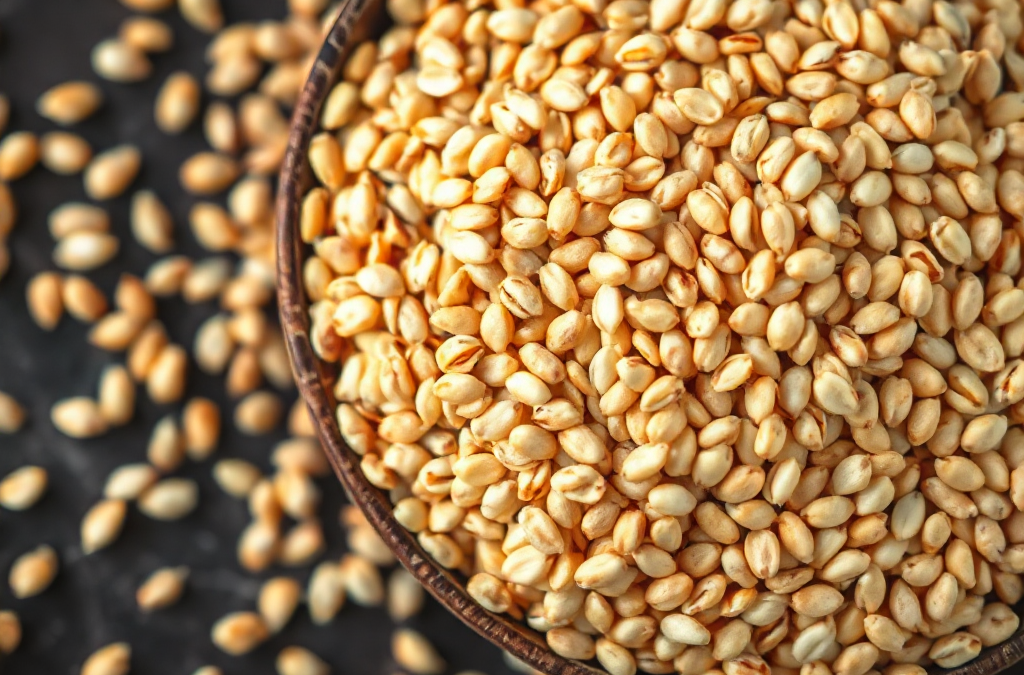
Keep grains fresh without refrigeration by choosing intact, dry kernels, removing damaged pieces, and sealing them in clean, airtight containers kept in a cool, dark, consistently dry place. Moisture is the main spoilage trigger, while heat accelerates rancidity in whole grains and poor seals allow insects or pantry pests to spread. Label each container with the grain and packing date, store smaller quantities for frequent use, and inspect them regularly for clumping, condensation, off odors, insects, or discoloration. Refined rice, wheat berries, and dry corn generally tolerate room-temperature storage better than milled whole-grain flours, which contain oils that become stale sooner. Do not rely on refrigeration-free storage for damp, cooked, or visibly contaminated grain.
Why Dryness and Temperature Control Matter
Room-temperature grain storage succeeds when the food remains dry, protected from oxygen and pests, and away from repeated heat swings. Refrigeration is only one way to slow deterioration; it does not compensate for wet grain, a dirty container, or a loose lid. Before storing anything, decide whether the grain is whole, milled, cooked, or commercially packaged, because each form has a different tolerance for ordinary indoor conditions.
Moisture creates the most immediate problem. Damp kernels can clump, develop mold, or support insect activity, and a sealed container may trap that moisture rather than solve it. Condensation is especially likely when warm grain is placed into a cool container or when a storage bin sits against a cold exterior wall and later warms. A dry pantry with stable temperatures is safer than a garage that alternates between hot afternoons and cool nights, even if both locations seem clean.
Heat affects quality in a different way. Whole grains such as brown rice, rolled oats, barley, and intact wheat retain their germ, which contains natural oils. Those oils can develop stale or paint-like odors faster in a hot cupboard. Refined white rice and polished grains usually have fewer exposed oils and may remain acceptable longer under the same conditions, although they still need protection from moisture and insects. Freshness is therefore a quality question as well as a safety question.
A useful priority order is simple: keep grain dry first, limit heat second, block pests third, and make rotation easy. A sealed bucket hidden in a humid shed is not a better system than a smaller container in a dry kitchen cabinet. For more detail on household planning, connect this approach with how to keep grains fresh without refrigeration as part of a broader pantry routine.
Choosing Grains and Containers for Room-Temperature Storage
Intact grains generally store more predictably than flour because the kernel protects much of its interior from air and handling. Wheat berries, pearled barley, whole corn, dry rice, and buckwheat groats are practical candidates for a nonrefrigerated pantry. Flour, bran, and freshly ground meal have more surface area exposed to oxygen, so they often lose flavor sooner, particularly in warm rooms. That does not make them unusable; it means buying or milling an amount that can be used while its aroma remains clean.
Container choice should match the expected storage period. A screw-top glass jar works well for a small working supply because its contents are visible and the seal can be checked quickly. Food-grade plastic containers with tight-fitting lids are lighter and more practical for several pounds of grain. For larger reserves, a purpose-made food-storage bucket with a reliable gasket can reduce pest access, but the bucket must be clean, completely dry, and suitable for food contact. Avoid containers that previously held chemicals, detergents, paint, or strongly scented materials.
Airtight does not mean vacuum-sealed, and a container that is difficult to open may discourage inspection or rotation. Choose a lid that closes firmly without forcing the container to be handled roughly. Glass offers easy odor detection and no plastic contact, but it can break and becomes heavy in large quantities. Plastic is easier to move but may retain odors if washed inadequately. The best option is the one that protects the grain while remaining convenient enough to check and use.
Do not pour new grain on top of old grain without cleaning the vessel. Residual dust, spilled kernels, or a hidden insect can contaminate the fresh batch. Empty the container, wash it when appropriate, dry it fully, and inspect seams and lid grooves before refilling. Small packets are often preferable to one enormous bin: opening one container repeatedly exposes only that portion to air and pantry humidity. This practical tradeoff matters more than choosing an elaborate storage system.
Packing, Placement, and Rotation
Prepare grain for storage by checking that it is commercially dry or thoroughly dried before packing. Do not seal warm grain straight from an oven, dehydrator, or sunny delivery area; allow it to return to room temperature in a clean, protected location. If a product arrives with a torn bag, visible dampness, insects, or an unusual odor, separate it from sound supplies rather than blending it into a larger container.
Fill containers without crushing kernels, leave enough space for the lid to seat properly, and wipe the rim before closing. Label the grain, form, and packing date on the outside. A note such as “brown rice, opened March” is more useful than a label that only says “rice,” because it reminds you that whole-grain products deserve earlier attention than refined versions. Keep the original lot information when a package provides it, especially if the grain is being stored for someone with dietary restrictions.
Placement determines how well the container performs. A dark cabinet away from the stove, dishwasher, sink, and direct sunlight is usually better than a countertop. Do not store bins directly on a damp floor; use a shelf or raised platform that also allows air to move around the container. In a basement or utility room, monitor for musty odors, leaks, and seasonal humidity rather than assuming the space is suitable because it feels cool.
Use first-in, first-out rotation. Place newer purchases behind older containers, and open one working supply at a time. A household that cooks rice weekly may keep a jar in the kitchen and the reserve in a cooler cupboard, refilling the jar only after it is empty and clean. A bulk buyer may divide the purchase into several sealed portions and open them sequentially. The common failure is treating “long-term” as “ignore it”; every container still needs a use plan and periodic inspection.
- Store dry grain in a clean, sealed, labeled container.
- Keep containers off damp floors and away from heat-producing appliances.
- Record opening or packing dates rather than relying on memory.
- Rotate older portions before opening newly purchased stock.
When space is limited, prioritize the coolest, driest cabinet for whole-grain flour and other oil-rich products, while refined grains can occupy a less sensitive but still protected area. Guidance on how to keep grains fresh without refrigeration should always account for the actual room, container size, and rate of use rather than promise one universal storage duration.
Inspection, Pest Control, and Spoilage Decisions
Regular inspection catches problems before they spread. Look for clumping, damp patches, webbing, pinholes in packaging, live insects, powdery residue, discoloration, or an odor that is sour, musty, oily, or chemical. A clean, dry grain should smell mild and familiar. Taste is not a safe test for questionable food, particularly when mold or contamination is suspected; discard visibly moldy, wet, or strongly off-smelling grain rather than trying to rescue it by cooking.
Pantry pests may enter through a damaged package or arrive unnoticed in a purchased product. A sealed container limits movement, but it cannot repair contaminated grain. Store grains away from open pet food, birdseed, and loose baking ingredients, and clean spills promptly. Vacuuming shelf corners and wiping them with a suitable cleaner can remove crumbs and eggs more effectively than repeatedly spraying around food containers. Never apply an unapproved chemical directly to grain or its storage vessel.
Get Whole Wheat Flour, Grains and Milling Supplies – CLICK HERE 
Separate suspect stock from unaffected supplies while you investigate. If one bag contains insects, inspect nearby packages and the shelf underneath it. Do not transfer questionable grain into a clean bin, because that spreads the problem and makes its source harder to identify. If a container shows condensation, move the grain only if it remains clearly sound and can be dried safely; wet grain that has already developed odor, mold, or discoloration should not be stored for later use.
Freshness also has a sensory limit that is not always a safety emergency. Whole-wheat flour may smell stale before it shows obvious spoilage, while dry white rice can remain bland but usable after a long period if it stayed dry and pest-free. Quality expectations should guide rotation: use delicate, milled, oil-rich products sooner; reserve more stable intact or refined grains for longer pantry intervals. A mistake worth avoiding is assigning a guaranteed shelf life without knowing the grain, packaging, temperature, humidity, and opening frequency.
For a practical review, inspect containers when you restock and again before cooking. If the lid seal is loose, the label is missing, or the grain has been exposed to a leak, treat that as a storage failure requiring assessment. Readers comparing pantry systems can also use how to keep grains fresh without refrigeration to refine container sizing and rotation decisions.
For product-specific storage advice, consult food-safety guidance from your local university extension, public health department, or national food-safety agency. These sources can help distinguish dry pantry storage from recommendations for cooked grains, damaged packages, or suspected pest contamination.
Frequently Asked Questions
Which grains keep best without refrigeration?
Dry intact grains and refined grains, including wheat berries, barley, dry rice, and polished rice, are generally practical pantry choices. Whole-grain flour and other milled products usually need faster rotation because their exposed oils can become stale.
Should grains be stored in glass or plastic?
Either can work if the container is food-safe, clean, fully dry, and tightly sealed. Glass makes inspection easy but is heavy and breakable; food-grade plastic is lighter and more suitable for larger quantities.
Can grains be stored in a garage or shed?
Only if the space stays dry, shaded, clean, and reasonably stable in temperature. Garages and sheds often expose grain to heat swings, condensation, rodents, and insects, making an indoor pantry preferable when available.
How can pantry pests be prevented?
Use intact packages, sealed containers, clean shelves, and prompt spill removal. Inspect new purchases before combining them with stored supplies, and isolate any package showing insects, webbing, holes, or unusual residue.
When should stored grain be discarded?
Discard grain that is moldy, wet, strongly musty or rancid, visibly discolored, or heavily infested. Do not rely on cooking to make spoiled grain acceptable, and avoid tasting food that already shows clear signs of deterioration.
Conclusion
Successful nonrefrigerated grain storage depends less on a special gadget than on controlling moisture, heat, air exposure, and pests. Choose dry products suited to pantry storage, favor intact kernels for longer holding, and give milled whole grains a shorter rotation window. Clean and dry every container before filling it, label portions with dates, and keep them in a dark, stable location away from sinks, appliances, floors, and direct sunlight.
Make inspection part of normal pantry use. Clumping, condensation, insects, damaged seals, and unusual odors are early warnings that deserve action, while moldy or wet grain should be discarded rather than salvaged. A modest supply divided into manageable containers is often safer and easier to rotate than one neglected bulk bin. These habits preserve flavor and reduce avoidable waste without depending on refrigeration.
Get Whole Wheat Flour, Grains and Milling Supplies – CLICK HERE
Auto Amazon Links: No products found.