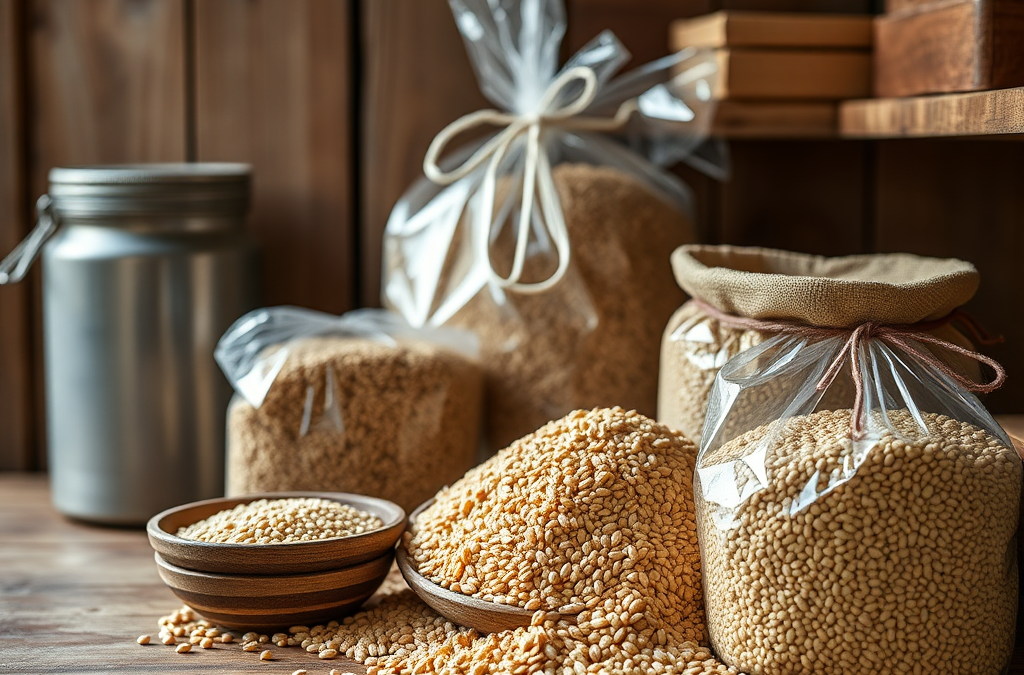
To store grains with minimal waste, it is essential to use airtight containers and maintain a cool, dry environment. Different grains have specific storage needs; for example, whole grains like brown rice require cooler conditions to prevent rancidity, while refined grains can tolerate room temperature. Regularly inspect stored grains for signs of pests or spoilage, as this can help catch issues early and extend shelf life. Additionally, labeling containers with purchase dates ensures that older grains are used first, reducing the likelihood of waste.
Understanding Grain Types and Their Storage Needs
Different types of grains have unique storage requirements that significantly impact their longevity and quality. For instance, whole grains like brown rice and quinoa contain oils that can go rancid, necessitating cool storage. In contrast, refined grains, such as white rice and flour, have lower oil content and can be stored longer at room temperature. Understanding these differences is crucial to minimizing waste and ensuring grains remain edible for as long as possible.
Common grains include wheat, rice, oats, barley, and corn, each requiring specific conditions. For example, wheat should be stored in a dry, cool environment to prevent mold growth, while corn can attract pests if not sealed properly. By identifying the types of grains and their needs, you can tailor your storage methods to suit each variety.
Moreover, it’s essential to consider the packaging of these grains. Many commercial grains come in unsealed bags that are not suitable for long-term storage. Transferring grains into airtight containers can significantly enhance their shelf life and reduce waste.
Optimal Storage Conditions for Grains
To effectively store grains with minimal waste, it’s vital to maintain optimal storage conditions. Grains should be kept in a cool, dry, and dark environment. The ideal temperature for grain storage is typically between 50°F and 70°F (10°C to 21°C). High temperatures can accelerate spoilage and diminish quality.
Humidity is another critical factor; grains should be stored in environments with low humidity levels to prevent mold and other spoilage issues. Using a dehumidifier in damp areas or storing grains in a climate-controlled space can help maintain these optimal conditions. Additionally, dark storage areas protect grains from light, which can degrade their quality over time.
When choosing storage containers, opt for materials that provide an airtight seal, such as glass jars, food-grade plastic containers, or metal bins with tight-fitting lids. These containers not only protect grains from moisture but also from pests like weevils and insects, which can lead to significant waste.
Sealing Techniques to Prevent Waste
Proper sealing is essential to prevent waste when storing grains. One effective method is vacuum sealing, which removes air from the packaging and significantly extends shelf life. Vacuum-sealed grains can last months or even years longer than those stored in traditional packaging. If vacuum sealing isn’t an option, ensure that containers are filled to the top to minimize air exposure.
In addition to vacuum sealing, consider using oxygen absorbers—small packets that absorb oxygen and help maintain freshness. These are particularly beneficial for long-term storage of grains. Even simple methods like tightly wrapping opened bags with plastic wrap or aluminum foil can provide some level of protection against air and moisture.
Labeling containers is another crucial step. Clearly mark each container with the grain type and the date of storage. This practice helps you use older grains first, minimizing the risk of spoilage and waste.
Regular Maintenance and Inspection
To ensure grains remain in good condition, regular maintenance and inspection are necessary. Check stored grains every few months for signs of spoilage, such as unusual odors, discoloration, or pest activity. Early detection of issues can prevent larger problems and waste.
Additionally, rotating your stock is a best practice in grain storage. Always place newly acquired grains behind older ones to ensure that you use the older grains first. This method not only helps in minimizing waste but also keeps your inventory fresh.
Get Whole Wheat Flour, Grains and Milling Supplies – CLICK HERE

Another aspect of maintenance is ensuring cleanliness in your storage area. Regularly clean shelves and containers to prevent contamination and pest infestations. Keeping the storage area organized and free of debris can significantly reduce the risk of pests.
Frequently Asked Questions
What is the best container for storing grains?
Airtight containers made of glass, food-grade plastic, or metal are ideal for storing grains as they protect against moisture and pests.
How can I tell if my grains have gone bad?
Look for signs such as off smells, discoloration, or the presence of mold or pests. If grains exhibit any of these, they should be discarded.
Can I freeze grains for longer storage?
Yes, freezing grains can extend their shelf life significantly. Ensure they are in airtight packaging to prevent freezer burn.
How often should I check my stored grains?
It’s advisable to inspect stored grains every 3-6 months to detect any spoilage or pest issues early.
Is it necessary to use oxygen absorbers when storing grains?
While not mandatory, oxygen absorbers can significantly enhance the freshness and longevity of stored grains, especially for long-term storage.
Conclusion
Storing grains with minimal waste requires attention to detail regarding types, conditions, sealing techniques, and regular maintenance. By understanding the specific needs of each grain type and employing proper storage methods, you can extend their shelf life significantly. Regularly inspecting stored grains and maintaining a clean environment will further enhance their longevity. Start implementing these practices today to reduce waste and enjoy the benefits of well-preserved grains.
Get Whole Wheat Flour, Grains and Milling Supplies – CLICK HERE
Auto Amazon Links: No products found.
Further Reading
Authoritative Sources
- Store Your Crop Properly - Keep it Clean
keepitclean.caNever store grain in contaminated bins. Ensure bins are free of treated seed and animal protein like blood meal or bone meal. Use only approved bin treatments.
- Long-Term Grain Storage: Planning for Lasting Quality
wallgrain.comAssess grain quality before storing. Get the proper grain drying equipment and monitoring. Store grain in low light to avoid mold growth. ...
- Storing Whole Grains
wholegrainscouncil.orgAll whole grains should be stored in airtight containers with tight-fitting lids or closures. The type of container is a matter of preference.
- Practice good cereal grain storage techniques
topcropmanager.comFor long-term safe storage (more than 240 days), grain entering the bin at 14 per cent moisture needs to be cooler than 13C. "There may be pockets of higher ...