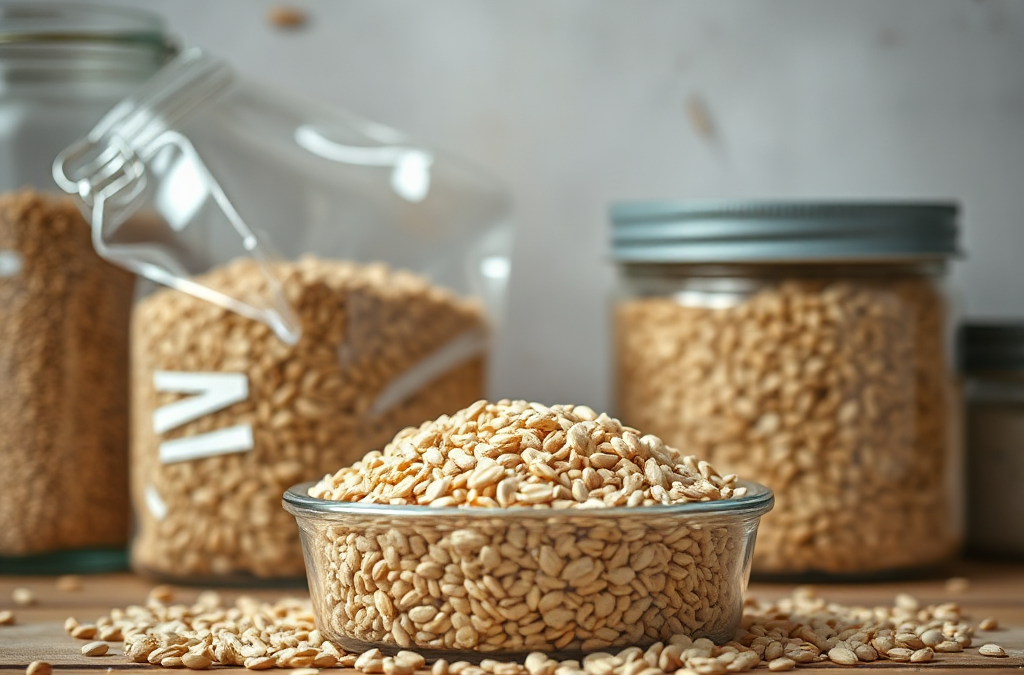
To store grains for baking purposes effectively, keep them in airtight containers in a cool, dry place, ideally away from direct sunlight. This prevents moisture absorption and pest infestations, which can spoil the grains. Use glass or plastic containers with tight-fitting lids to maintain freshness and ensure you label them with the type and date of storage. Regularly check for any signs of spoilage or pests.
Understanding Grain Types and Their Storage Needs
Different grains have unique storage requirements that impact their shelf life and usability in baking. Whole grains, such as wheat and oats, contain the germ and bran, which are rich in oils that can turn rancid. Therefore, they require more careful storage compared to refined grains like white flour, which have a longer shelf life due to the removal of these components. Understanding these differences helps in selecting the right storage method for each type of grain.
For instance, whole grain flours should ideally be kept in the refrigerator or freezer to prolong their freshness, while refined flours can be stored in a cool pantry. Additionally, grains like rice and quinoa can be stored in similar ways, but they benefit from vacuum sealing to prevent moisture and pest intrusion. Knowing the specific needs of each grain type is essential for maintaining their quality.
Best Practices for Storing Grains
To effectively store grains for baking, consider the following best practices:
- Airtight Containers: Use airtight containers made from glass or durable plastic. This prevents moisture and air from degrading the grains.
- Cool, Dark Locations: Store grains in a cool, dark place, away from sunlight and heat sources. Ideal temperatures are around 50°F to 70°F (10°C to 21°C).
- Labeling: Clearly label containers with the grain type and storage date. This helps keep track of freshness and ensures you use older grains first.
- Regular Checking: Periodically check stored grains for signs of spoilage, such as off smells, discoloration, or pest activity.
Implementing these practices can significantly enhance the longevity and quality of your stored grains, ensuring that they remain suitable for baking.
Common Mistakes to Avoid When Storing Grains
Many bakers make common mistakes that can compromise the quality of their stored grains. One prevalent error is storing grains in their original packaging, which often lacks proper sealing and protection from moisture and pests. Instead, transfer grains to airtight containers as soon as possible.
Another mistake is storing grains in warm or humid areas, such as near ovens or dishwashers. High temperatures can lead to rancidity, especially in whole grains. Similarly, forgetting to label containers can lead to confusion and the unintentional use of expired grains.
Lastly, some may overlook the importance of checking grains periodically. Regular inspections can catch spoilage early, preventing the use of compromised grains in baking. Being aware of these pitfalls can help maintain the quality and safety of your grain storage.
Signs of Spoilage and How to Prevent It
Storing grains properly is crucial, but knowing the signs of spoilage is equally important. Common indicators include an off smell, discoloration, or the presence of insects. If grains have a rancid odor, it typically means the oils within them have gone bad, especially in whole grains.
To prevent spoilage, ensure that grains are always stored in airtight containers and in a cool, dry environment. Vacuum sealing can be particularly effective for reducing air exposure and moisture ingress. Additionally, consider using oxygen absorbers in containers for long-term storage, as they can help maintain freshness.
If you notice any signs of spoilage, it’s best to discard the affected grains to avoid compromising your baked goods. Keeping a close eye on storage conditions and regularly checking for signs of spoilage will contribute to successful baking outcomes.
Get Whole Wheat Flour, Grains and Milling Supplies – CLICK HERE

Frequently Asked Questions
What is the best way to store whole grains?
Whole grains should be stored in airtight containers in a cool, dark place. Refrigeration or freezing can also extend their shelf life.
How long can grains be stored?
Most grains can be stored for 6 months to a year, while whole grains may last up to 3-6 months when stored properly.
Can I store grains in plastic bags?
Plastic bags are not recommended for long-term storage as they do not provide an airtight seal. Use airtight containers instead.
How can I tell if my stored grains are bad?
Check for off smells, discoloration, or insect activity. If grains smell rancid or show signs of spoilage, they should be discarded.
Is it necessary to label my grain containers?
Yes, labeling helps keep track of the grain type and storage date, ensuring you use older grains first and maintain freshness.
Conclusion
Effectively storing grains for baking is essential to ensure their quality and usability. By understanding the unique needs of different grain types and implementing best practices such as using airtight containers and maintaining a cool, dark storage area, you can significantly enhance their shelf life. Avoiding common mistakes and regularly checking for spoilage will further contribute to successful baking outcomes. Prioritize proper storage techniques to enjoy the benefits of fresh, high-quality grains in your baking endeavors.
Get Whole Wheat Flour, Grains and Milling Supplies – CLICK HERE
Auto Amazon Links: No products found.