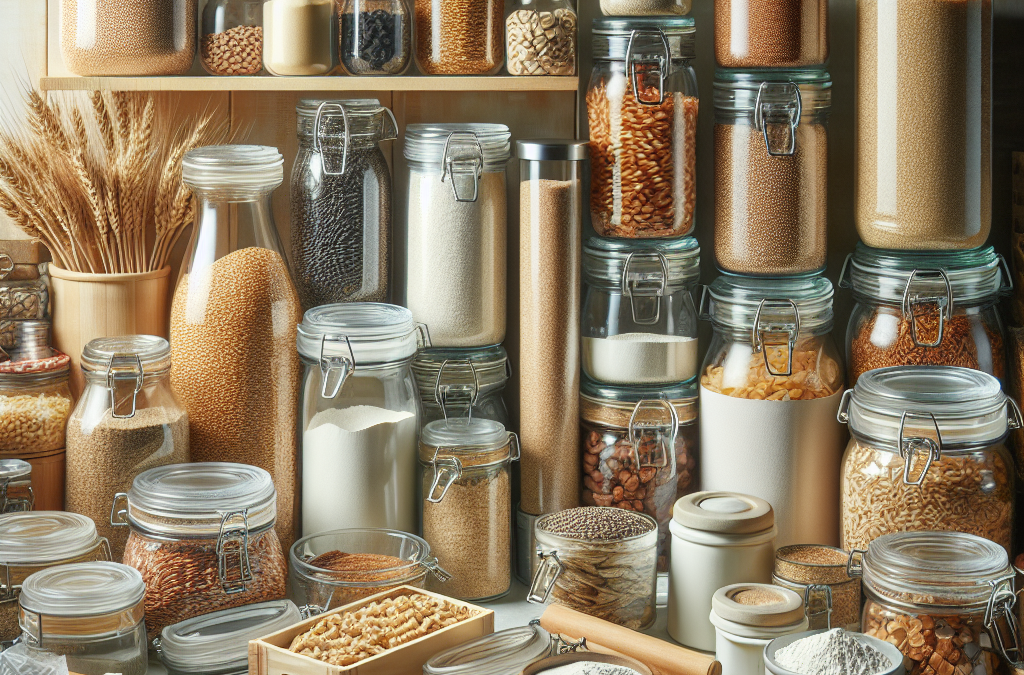
When choosing airtight containers, consider factors such as the type of food, storage duration, and the container’s material. For instance, glass containers are excellent for long-term storage and can withstand temperature changes, while plastic containers are lightweight and often more affordable. However, certain plastics may not be suitable for microwaving or dishwashing, which can impact their longevity and safety. Prioritizing these features can help you make informed choices that enhance your food storage practices.
A common mistake when using airtight containers is choosing the wrong size or type for specific foods. For example, storing dry goods like flour or sugar in a container that’s too small can lead to spills and waste. Similarly, using a plastic container for items that emit moisture, like fruits, can cause condensation and spoilage. It’s vital to understand the characteristics of the food you’re storing and select containers that will help maintain their quality over time.
Why Airtight Containers Matter
Airtight containers are essential for preserving the freshness of food by minimizing exposure to air, which is a primary cause of spoilage. Foods such as grains, snacks, and leftovers benefit significantly from airtight storage as it helps to maintain their texture, flavor, and nutritional content. Without proper storage, food can quickly lose its quality, leading to waste.
The stakes are high when it comes to food storage; improper methods can lead to spoilage, foodborne illnesses, and unnecessary waste. For example, when exposed to air, dry foods can absorb moisture, leading to clumping or attracting pests. Prioritizing airtight storage can prevent these issues, ensuring that your food remains safe and enjoyable for longer periods.
It’s important to note that not all foods require the same level of airtightness. Items like bread or certain fruits may actually need some air circulation to stay fresh. Understanding the specific needs of different food types is crucial for effective storage.
Choosing the Right Material
When selecting airtight food storage containers, the material plays a significant role in their effectiveness and convenience. Glass containers are non-reactive and do not absorb odors, making them ideal for storing a wide range of foods, including acidic items. They are also microwave and dishwasher safe, which adds to their versatility.
On the other hand, plastic containers are lightweight and often come with various lid options that can provide an airtight seal. However, not all plastics are created equal. It’s essential to choose BPA-free options to avoid chemical leaching. Additionally, consider whether the containers are suitable for microwave use or dishwasher cleaning. Prioritizing the right material can enhance both safety and functionality.
Metal containers are another option, particularly for long-term storage. They provide excellent durability and are often insulated, which can help regulate temperature. However, they may not be suitable for all types of food, particularly those that can react with metal. Understanding the properties of each material helps in making informed decisions about your food storage needs.
Common Mistakes and How to Avoid Them
One of the most frequent mistakes in using airtight containers is not properly cleaning and drying them before storage. Residual moisture can lead to mold growth and spoilage. It’s crucial to ensure that both the container and the food are dry before sealing them. This simple step can dramatically improve the longevity of your stored food.
Another common pitfall is overfilling containers. While it may seem efficient, overfilling can compromise the airtight seal and lead to spills. Instead, leave some space to allow for expansion and maintain the integrity of the seal. This practice not only protects your food but also saves you from potential messes.
Get Whole Wheat Flour, Grains and Milling Supplies – CLICK HERE

Additionally, neglecting to label containers can lead to confusion and waste. Without clear labels, it’s easy to forget the contents and their storage dates. This oversight can result in food items being forgotten in the back of the pantry, ultimately leading to waste. Implementing a simple labeling system can help mitigate this issue.
Best Practices for Using Airtight Containers
To maximize the effectiveness of airtight containers, always ensure they are completely sealed after use. This small action can make a significant difference in preserving food quality. Additionally, store containers in a cool, dark place to further protect their contents from light and heat, which can accelerate spoilage.
When organizing your pantry or fridge, group similar items together in airtight containers. This strategy not only saves space but also makes it easier to find what you need, reducing the chance of unnecessary food waste. Regularly check the contents of your containers and rotate items based on their expiration dates to ensure freshness.
It’s also wise to invest in a variety of container sizes. Different food types and quantities require different container dimensions. Having a selection allows for greater flexibility in food storage, making it easier to keep everything organized and fresh.
Further Reading
For those looking to dive deeper into the world of food storage, consider exploring resources from reputable organizations or industry experts. Official guidelines from food safety authorities can provide valuable insights into proper food handling and storage techniques.
Further Reading
Authoritative Sources
- MedlinePlus
medlineplus.govConsumer-friendly medical and health information from the U.S. National Library of Medicine.
- National Institutes of Health
nih.govResearch-based health information and links to authoritative medical resources.
- Centers for Disease Control and Prevention
cdc.govOfficial public health guidance, prevention resources, and topic-specific recommendations.
- Mayo Clinic
mayoclinic.orgTrusted clinical guidance, symptom explainers, and treatment overviews.
- World Health Organization
who.intGlobal health guidance, fact sheets, and evidence-based public health information.
Frequently Asked Questions
What types of food can be stored in airtight containers?
Airtight containers are suitable for a variety of foods, including dry goods like grains, snacks, leftovers, and even some fruits and vegetables, depending on the container type.
Are glass or plastic containers better for food storage?
Both glass and plastic containers have their advantages. Glass is non-reactive and durable, while plastic is lightweight and often more affordable. The best choice depends on your specific needs and preferences.
How can I tell if an airtight container is truly airtight?
Look for containers with a secure locking mechanism and a silicone seal. You can also perform a simple test by filling the container with water, sealing it, and checking for leaks.
Can I use airtight containers in the microwave?
Not all airtight containers are microwave-safe. Always check the manufacturer’s guidelines to determine if the material can withstand microwave use.
What is the best way to clean airtight containers?
Most airtight containers can be cleaned with warm, soapy water. Glass containers are typically dishwasher safe, while some plastics may not be. Always check care instructions before cleaning.
Conclusion
In closing, airtight food storage containers are a vital tool for preserving the quality and freshness of your food. By choosing the right materials, avoiding common mistakes, and following best practices, you can significantly enhance your food storage methods. Prioritize understanding the specific needs of the foods you store and select containers that provide effective sealing and protection. With the right approach, you can enjoy fresher, longer-lasting food while minimizing waste.
Get Whole Wheat Flour, Grains and Milling Supplies – CLICK HERE
Auto Amazon Links: No products found.