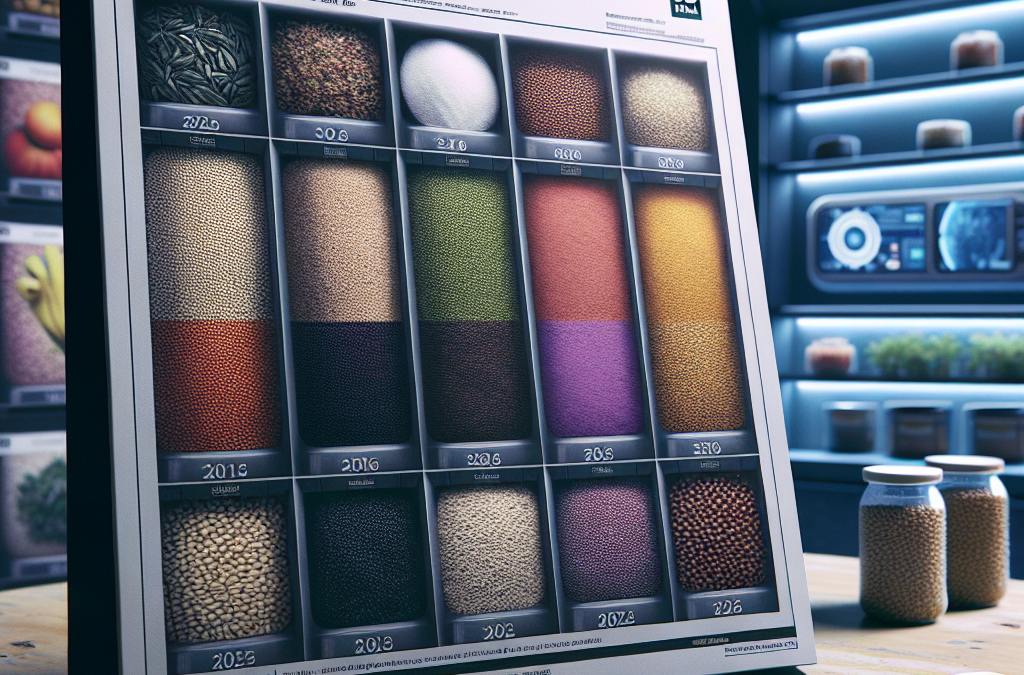
The best grain options for storage include rice, wheat, corn, barley, and oats. These grains are favored for their nutritional value, long shelf life, and resistance to spoilage.
Choosing the right grains for storage involves understanding their characteristics and how they respond to environmental factors. For instance, white rice can last up to 30 years when stored properly, while brown rice has a shorter shelf life due to its higher oil content. It’s crucial to balance the nutritional benefits of each grain with their storage requirements and longevity to ensure that your supplies remain viable over time.
Many people overlook the importance of storage conditions, which can significantly impact the quality and longevity of grains. Common mistakes include using inappropriate containers, neglecting pest control, and failing to monitor humidity levels. To maximize the lifespan of your grains, prioritize storage in airtight containers made of glass, metal, or food-grade plastic, and keep them in a consistent, cool environment away from direct sunlight.
Rice: The Long-Lasting Staple
Rice is one of the best grain options for storage due to its long shelf life and versatility in cooking. White rice, in particular, can last up to 30 years when stored in airtight conditions. This longevity is attributed to its low moisture content, which inhibits the growth of mold and bacteria.
When storing rice, it’s essential to keep it in airtight containers to prevent moisture and pests from compromising its quality. Additionally, storing it in a cool, dark place will further enhance its longevity. A common mistake is to store rice in its original packaging, which is often not airtight and can lead to spoilage over time.
Prioritize using food-grade buckets or Mylar bags for long-term storage. It’s also beneficial to include oxygen absorbers in the containers to minimize oxygen levels, which can help preserve the rice for even longer durations.
Wheat: Versatile and Nutritious
Wheat is another excellent grain for storage, known for its versatility in various recipes, from bread to pasta. Whole wheat can last for up to 10 years if stored properly, while white flour has a shorter shelf life due to its higher fat content.
To maximize the storage life of wheat, consider milling it into flour only as needed, rather than pre-milling for long-term storage. Whole grains retain their nutrients better than processed ones. Store wheat in airtight containers and keep them in a cool, dark environment to prevent spoilage.
A common mistake is not rotating your grain stock. Always implement a first-in, first-out (FIFO) system to use older grains first, ensuring that nothing goes to waste.
Corn: A Versatile Choice
Corn can be stored in several forms, including whole kernels, cornmeal, and polenta. Whole corn kernels can last for years when stored in a cool, dry place, making them a valuable addition to any long-term food storage plan.
When storing corn, ensure that it is kept in airtight containers to protect against moisture and pests. Cornmeal has a shorter shelf life due to its higher fat content, so it’s best to use it within a year or two if stored at room temperature.
Get Whole Wheat Flour, Grains and Milling Supplies – CLICK HERE

Consider vacuum sealing whole kernels for extended storage. This method removes air, which can lead to spoilage, and helps maintain the corn’s freshness for a longer period.
Barley and Oats: Nutrient-Rich Options
Barley and oats are nutrient-rich grains that are excellent for storage. Barley can last for about 12 years when stored correctly, while rolled oats typically last around 30 years. Both grains provide essential nutrients and can be used in various recipes.
To store barley and oats effectively, use airtight containers to keep moisture and pests at bay. It’s important to note that while steel-cut oats have a shorter shelf life, rolled oats are more stable and can be stored for long periods without significant nutrient loss.
One common oversight is neglecting to check for signs of spoilage before use. Always inspect grains for any discoloration, off odors, or signs of pest infestation before consumption.
Further Reading
Authoritative Sources
- MedlinePlus
medlineplus.govConsumer-friendly medical and health information from the U.S. National Library of Medicine.
- National Institutes of Health
nih.govResearch-based health information and links to authoritative medical resources.
- Centers for Disease Control and Prevention
cdc.govOfficial public health guidance, prevention resources, and topic-specific recommendations.
- Mayo Clinic
mayoclinic.orgTrusted clinical guidance, symptom explainers, and treatment overviews.
- World Health Organization
who.intGlobal health guidance, fact sheets, and evidence-based public health information.
Frequently Asked Questions
What is the best grain for long-term storage?
White rice is often considered the best grain for long-term storage due to its extended shelf life of up to 30 years when stored properly.
How should I store grains to maximize shelf life?
Store grains in airtight containers in a cool, dark place to prevent moisture and pest contamination, which can lead to spoilage.
Can I store grains in their original packaging?
It’s not recommended to store grains in their original packaging, as it often lacks airtight seals and can allow moisture and pests to enter.
What are the signs of spoiled grains?
Signs of spoiled grains include discoloration, off odors, and the presence of pests. Always inspect grains before use.
How can I extend the shelf life of oats?
To extend the shelf life of oats, store them in airtight containers and consider vacuum sealing to remove air, which can cause spoilage.
Conclusion
In summary, the best grain options for storage—rice, wheat, corn, barley, and oats—offer excellent nutritional value and longevity when stored correctly. By prioritizing airtight containers and appropriate storage conditions, you can significantly extend the shelf life of these grains. Remember to regularly check your supplies for signs of spoilage and rotate your stock to ensure freshness. With these practices, you can build a reliable and nutritious food storage system that meets your needs.
Get Whole Wheat Flour, Grains and Milling Supplies – CLICK HERE
Related Content
Auto Amazon Links: No products found.