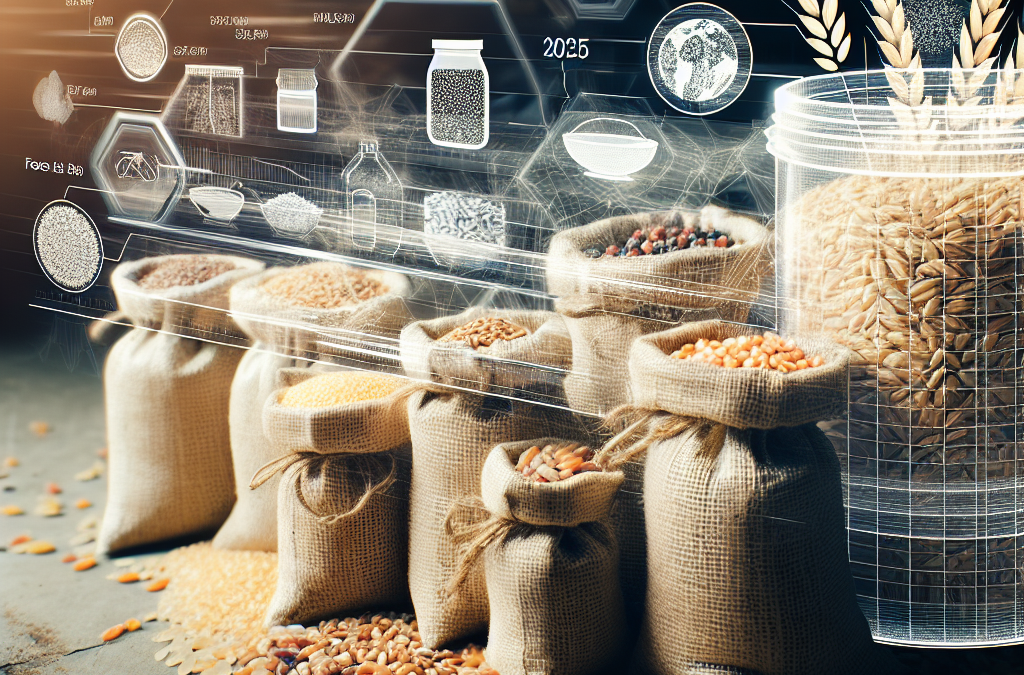
The best wheat for prepping includes hard red winter, hard red spring, and soft white wheat, each offering unique benefits for long-term storage and nutrition. Hard red varieties are high in protein and ideal for bread, while soft white wheat is excellent for pastries and cereals.
When selecting wheat for prepping, consider factors such as protein content, gluten strength, and storage longevity. Hard red winter wheat is a popular choice due to its high protein content (around 12-14%) and versatility in baking. Hard red spring wheat has even higher protein levels, making it ideal for artisan breads. In contrast, soft white wheat, with its lower protein content, is perfect for delicate baked goods. Understanding these characteristics helps in choosing the right wheat for your prepping needs.
Another crucial aspect is storage. Wheat grains can last for years when stored properly in airtight containers in a cool, dry place. However, improper storage can lead to spoilage or pest infestations. It’s essential to periodically check your stored wheat for any signs of damage or spoilage, ensuring that your emergency food supply remains viable.
Understanding Wheat Varieties
Wheat is categorized into several varieties, each with distinct characteristics and uses. Hard red winter wheat is favored for its robust flavor and high gluten content, making it suitable for bread. Hard red spring wheat, known for its superior protein content, is often used in premium bread products. Soft white wheat, on the other hand, is milder and works best for pastries and cakes.
Choosing the right variety depends on your cooking and baking needs. For instance, if you plan to bake bread regularly, hard red winter or spring wheat should be your primary choices. If your focus is on making cakes or cookies, soft white wheat is the best option. Understanding these differences allows you to stock a variety that meets your culinary preferences.
Moreover, consider the climate and growing conditions of your region when selecting wheat. Some varieties may perform better in specific environments, impacting your decision if you’re also considering growing your own wheat.
Nutritional Benefits of Wheat
Wheat is not only a staple food but also a significant source of nutrients. It provides essential vitamins and minerals, including B vitamins, iron, and magnesium. Hard red wheat varieties are particularly rich in protein, making them an excellent choice for maintaining muscle health and overall nutrition during emergencies.
Additionally, whole wheat contains dietary fiber, which is vital for digestive health. Including a variety of wheat types in your prepping supplies ensures a balanced intake of nutrients, helping to sustain energy levels and overall well-being during challenging times.
Prioritize whole grain options when possible, as they provide more nutrients compared to refined wheat products. This choice not only enhances your diet but also contributes to long-term health benefits.
Storage Methods for Long-Term Viability
Proper storage of wheat is critical for maintaining its quality over time. Ideally, wheat should be stored in airtight containers to prevent moisture and pests from compromising its integrity. Mylar bags with oxygen absorbers are an excellent choice for long-term storage, as they minimize oxidation and extend shelf life.
Temperature and humidity play significant roles in wheat storage. Aim to keep your storage area cool (around 60°F) and dry (under 15% humidity) to maximize longevity. Regularly check your stored wheat for signs of spoilage, such as discoloration or an off smell.
Investing in quality storage solutions is crucial. Consider vacuum-sealed containers or food-grade buckets with tight-fitting lids to protect your wheat from pests and moisture. This proactive approach ensures that your prepping supplies remain fresh and ready for use when needed.
Get Whole Wheat Flour, Grains and Milling Supplies – CLICK HERE

Common Mistakes When Prepping with Wheat
Many preppers make common mistakes that can compromise their wheat supplies. One frequent error is neglecting to rotate stock. It’s essential to use older supplies first to prevent waste and ensure freshness. Implement a first-in, first-out (FIFO) system to manage your inventory effectively.
Another mistake is underestimating the importance of proper storage conditions. Failing to maintain a cool, dry environment can lead to spoilage or pest infestations, rendering your wheat unusable. Regularly inspecting your supplies and adjusting storage conditions as necessary can prevent these issues.
Be mindful of the types of wheat you choose as well. Focusing solely on one variety can limit your culinary options and nutritional intake. Stocking a variety of wheat types ensures versatility in your meals and better nutritional balance during emergencies.
Further Reading
Authoritative Sources
- USDA Wheat Grades
ams.usda.govProvides detailed information on wheat grading standards and classifications
- Iowa State University Extension
extension.iastate.eduOffers resources on grain storage and preparation techniques
- National Corn Growers Association
ncga.comIncludes information on wheat varieties and their agricultural benefits
Frequently Asked Questions
What is the best wheat for long-term storage?
Hard red winter and hard red spring wheat are among the best for long-term storage due to their high protein content and versatility.
How should I store wheat for prepping?
Store wheat in airtight containers in a cool, dry place to extend its shelf life and prevent spoilage.
Can I grow my own wheat for prepping?
Yes, you can grow your own wheat, but it’s essential to choose a variety suited to your climate and soil conditions.
How long can wheat be stored?
When stored properly, wheat can last for 10-30 years, depending on the variety and storage conditions.
What are the nutritional benefits of wheat?
Wheat provides essential nutrients, including protein, B vitamins, and dietary fiber, contributing to overall health.
Conclusion
In conclusion, selecting the best wheat for prepping involves understanding the different varieties and their specific benefits. Hard red winter and spring wheats are excellent for baking due to their high protein content, while soft white wheat serves well for pastries. Proper storage techniques are crucial to maintaining wheat quality over time. By avoiding common mistakes and ensuring a diverse stock, you can create a reliable and nutritious food supply for emergencies. Prioritize quality and variety in your prepping efforts to ensure you are well-prepared for any situation.
Get Whole Wheat Flour, Grains and Milling Supplies – CLICK HERE
Related Content
Auto Amazon Links: No products found.