
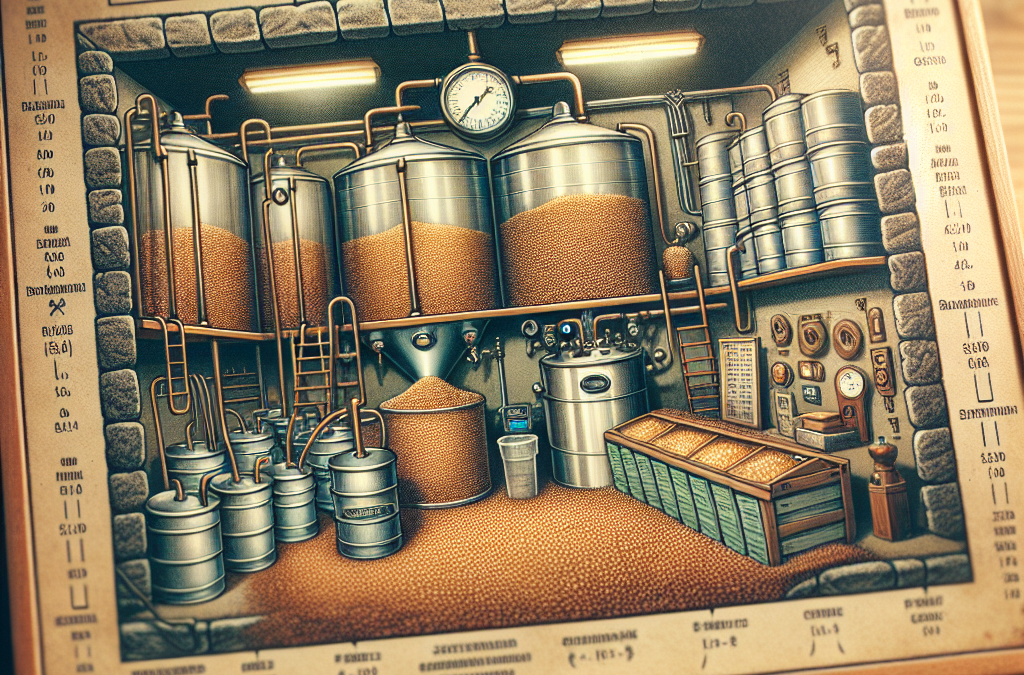

Reducing Condensation in Grain Storage Containers
Understanding the Causes of Condensation Temperature Fluctuations From my experience, one of the biggest culprits behind condensation is temperature changes. When the air inside a storage container warms up during the day and then cools down at night, it creates...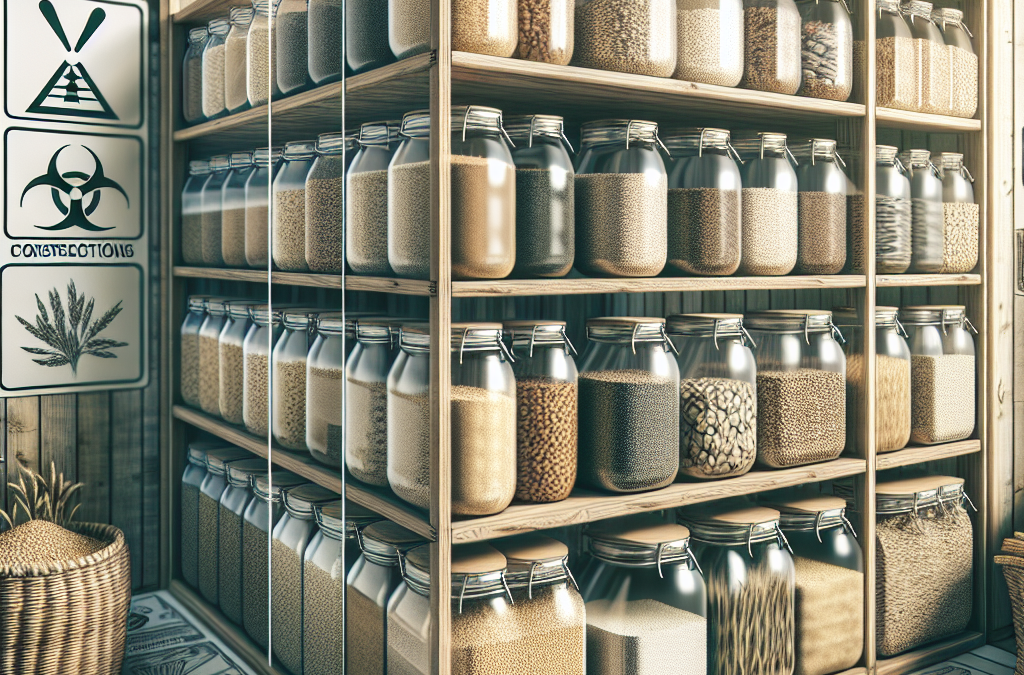
How to Store Grains Away from Chemicals and Pesticides
Choose the Right Storage Containers Pick Non-Toxic Materials When storing grains, the first rule of thumb I stick to is choosing containers made from non-toxic materials. Plastic is often a go-to for many, but not all plastics are created equal. I prefer glass or...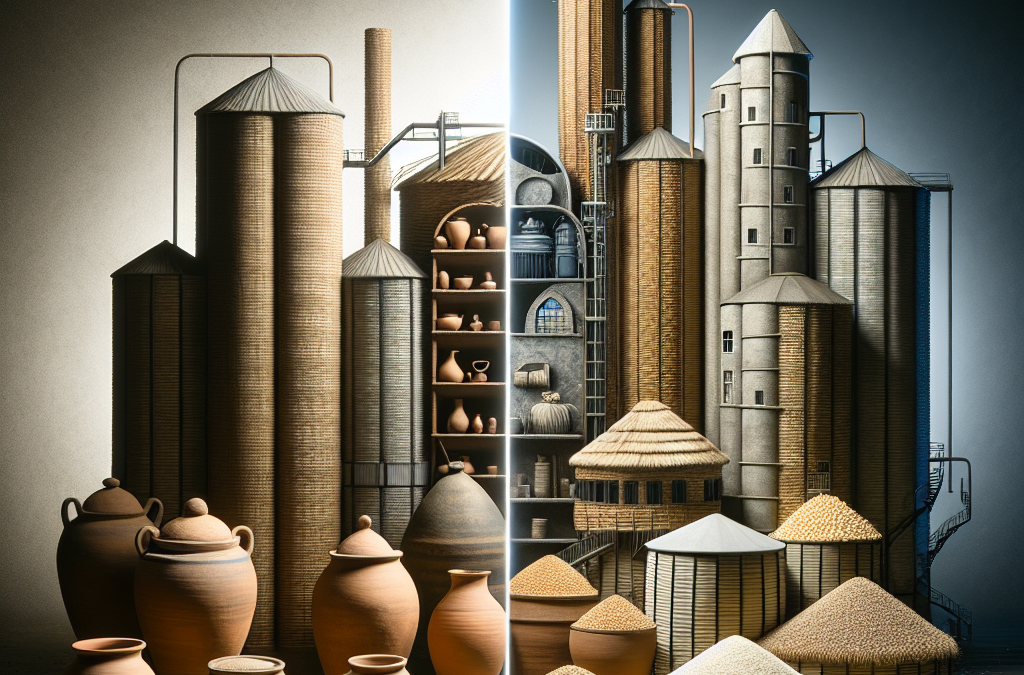
The History of Grain Storage and Its Modern Implications
The Origins of Grain Storage The First Techniques When I think about how humanity first began storing grain, I can’t help but marvel at our ancestors’ ingenuity. They crafted simple containers, made from clay or woven materials, to store their precious harvest. This...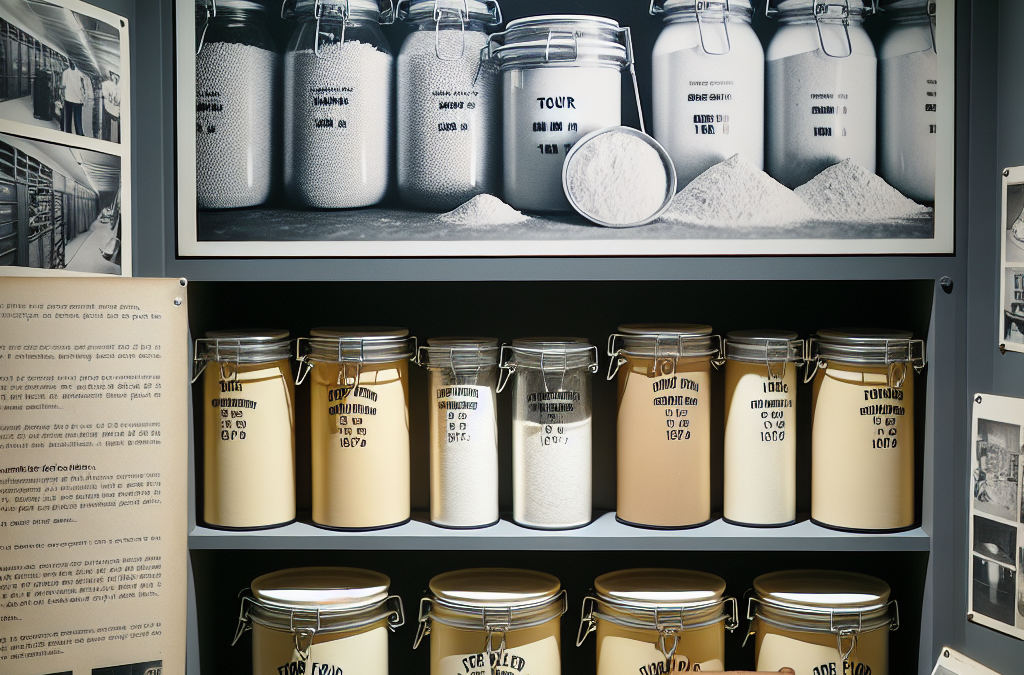
Advanced Techniques for Long-Term Flour Storage
Choosing the Right Flour for Storage Understanding Flour Types When it comes to flour storage, the type of flour you choose plays a huge role in how well it holds up over time. Personally, I like to stick with whole wheat, all-purpose, and bread flour. Each has its...
How to Store Grains in Hot and Dry Climates
Choose the Right Grain Storage Containers Consider Airflow and Ventilation When I first started storing grains, I didn’t think much about the containers I was using. Boy, was that a mistake! Choosing containers that allow for airflow is crucial, especially in hot, dry...
 Eat Grains
- Bob's Red Mill Active Dry Yeast 8 oz
- Zojirushi Virtuoso Plus Breadmaker - Bake 2 lb. Bread
- West Bend Hi-Rise Bread Maker with 12 Programs
- Bamboo Bread Slicer with Knife - 3 Slice Thickness
- Organic Sprouted Whole Wheat Flour, 32 oz
- 365 Organic Whole Wheat Flour, 80 oz
- Organic High Protein Wheat Flour for Breads - 5 lbs
Get a Free Subscription!

Prepare Member Resource

Food Storage
- Lifetime Brands Showcases KitchenAid Food Storage at Inspired Home Show
- What the microwave really does to your food | The Jerusalem Post
- Ello, Reusable Drinkware and Food Storage Essentials - On New Jersey
- Tracking changes in national soil fertility - Teagasc | Agriculture and Food Development Authority
- Household Food Storage Containers Market Is Going to Boom - openPR.com
- Dutch Bros Expands Food Program: Can it Lift Ticket and Traffic? - March 9, 2026
RSS to Email

Prepare Member Resource
Food Storage
- Lifetime Brands Showcases KitchenAid Food Storage at Inspired Home Show
- What the microwave really does to your food | The Jerusalem Post
- Ello, Reusable Drinkware and Food Storage Essentials - On New Jersey
- Tracking changes in national soil fertility - Teagasc | Agriculture and Food Development Authority
- Household Food Storage Containers Market Is Going to Boom - openPR.com
- Dutch Bros Expands Food Program: Can it Lift Ticket and Traffic? - March 9, 2026