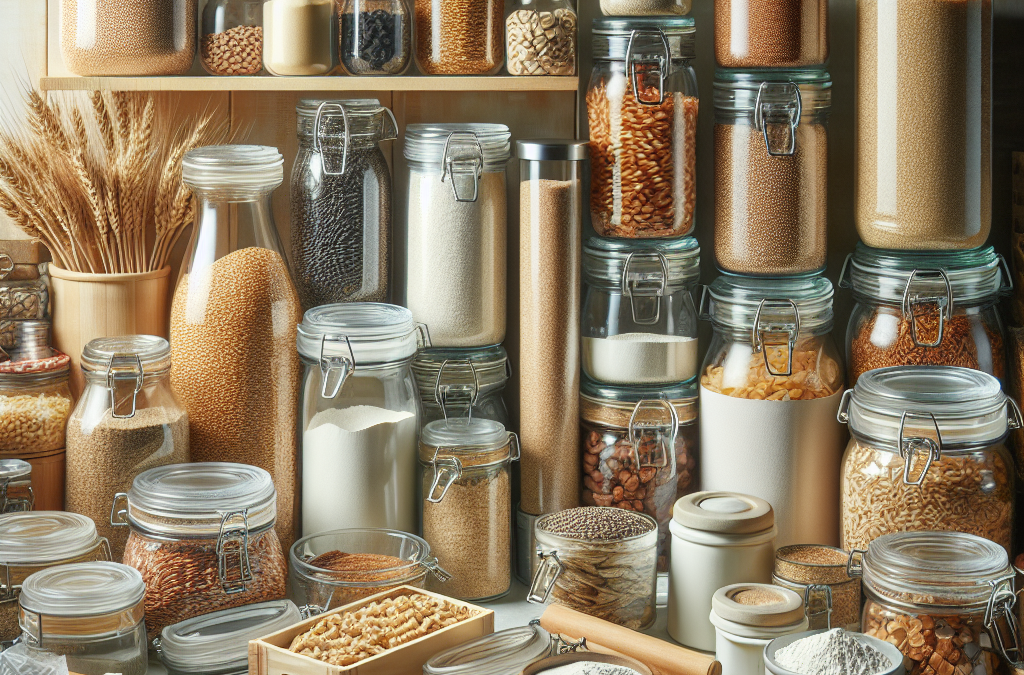
Emergency grain preservation is crucial for maintaining the quality and safety of grains during crises such as natural disasters or economic instability. Effective preservation techniques ensure that grains remain edible and nutritious, which is vital for long-term food security.
Understanding the factors that affect grain preservation is essential. Moisture, temperature, and pests are the primary threats to stored grains. High humidity levels can lead to mold growth, while inappropriate storage temperatures can accelerate spoilage. Additionally, pests like weevils can compromise grain quality. Therefore, implementing effective preservation strategies is not just about storage; it’s about creating an environment that minimizes these risks.
A common mistake in emergency grain preservation is underestimating the importance of proper sealing. Many individuals use inadequate containers that allow air and moisture to seep in, leading to spoilage. It’s essential to invest in airtight containers or vacuum sealing methods to ensure the longevity of grains. Prioritizing the right storage conditions will help maintain grain quality and safety.
Understanding Grain Preservation Techniques
Effective grain preservation techniques are essential for maintaining the quality and safety of stored grains. Common methods include using airtight containers, vacuum sealing, and adding oxygen absorbers to reduce the presence of oxygen, which can lead to spoilage. Each technique has its advantages and specific applications depending on the type of grain and expected storage duration.
Choosing the right preservation method requires understanding the specific needs of different grains. For instance, grains like rice and wheat may require different humidity levels and storage conditions. Additionally, considering the duration of storage is critical; short-term storage might not need as rigorous methods as long-term preservation. Misjudging these factors can lead to waste and food insecurity.
Prioritizing the use of high-quality storage materials is vital. Low-quality containers may not provide adequate protection against moisture or pests. Investing in robust, airtight solutions can significantly extend the shelf life of grains. Furthermore, regularly inspecting stored grains for signs of spoilage or pest infestation can help catch issues early and prevent larger losses.
Common Mistakes in Grain Storage
One of the most frequent mistakes in emergency grain preservation is neglecting to control moisture levels. Many individuals do not monitor humidity, leading to mold growth and grain deterioration. It’s crucial to store grains in a cool, dry place, with humidity levels ideally below 15% to prevent spoilage.
Additionally, improper container selection can lead to air exposure, which accelerates spoilage. Not all containers are created equal; using containers that are not sealed properly can let in moisture and pests. It’s essential to use containers designed specifically for long-term grain storage, such as Mylar bags or food-grade buckets with tight-fitting lids.
Another common oversight is failing to rotate stock. When new grains are added without using older stock first, it can lead to forgotten supplies that may spoil. Implementing a first-in, first-out (FIFO) system helps ensure that older grains are used before they can go bad, maximizing the efficiency of your storage.
Pest Control Measures for Stored Grains
Pests pose a significant threat to stored grains, making pest control a priority in emergency grain preservation. Common pests include weevils and moths, which can quickly infest grain supplies. Implementing preventative measures is essential to minimize the risk of infestation.
Regularly inspecting stored grains for signs of pest activity is crucial. Early detection can prevent a minor issue from becoming a major infestation. Additionally, using pest deterrents such as diatomaceous earth can help keep pests at bay without introducing harmful chemicals. This natural method is effective and safe for food storage.
It’s also wise to consider the environmental conditions of the storage area. Keeping the storage area clean and free of debris can reduce the likelihood of attracting pests. Sealing any cracks or gaps in storage areas can further prevent pest entry, creating a more secure environment for your grains.
Get Whole Wheat Flour, Grains and Milling Supplies – CLICK HERE

Temperature and Humidity Control
Temperature and humidity control are critical factors in effective grain preservation. Grains should ideally be stored at temperatures below 70°F, as higher temperatures can accelerate spoilage and insect activity. Maintaining a stable environment is key to preventing fluctuations that could harm stored grains.
Humidity control is equally important. Using hygrometers to monitor humidity levels can help ensure that they remain below 15%. If humidity levels are high, consider using dehumidifiers or silica gel packets to absorb excess moisture. This proactive approach can significantly extend the shelf life of grains.
When storing grains in extreme climates, additional measures may be necessary. For instance, in hot climates, insulated storage solutions can help maintain a stable temperature. Understanding the specific needs of your grains based on local conditions is essential for effective preservation.
Further Reading
Authoritative Sources
- USDA Agricultural Research Service
ars.usda.govThis resource provides comprehensive information on grain preservation techniques and research findings
- Food and Agriculture Organization
fao.orgFAO offers guidelines and best practices for food storage and preservation worldwide
- Cooperative Extension Services
extension.orgProvides practical resources and local expertise on grain storage and preservation methods
Frequently Asked Questions
What is the best way to store grains long-term?
The best way to store grains long-term is in airtight containers in a cool, dry place, ideally below 70°F with humidity levels below 15%.
How can I prevent pests from infesting my stored grains?
Prevent pests by using airtight containers, regularly inspecting stored grains, and employing natural deterrents like diatomaceous earth.
What humidity level is safe for grain storage?
Humidity levels should ideally be maintained below 15% to prevent mold growth and spoilage in stored grains.
How often should I check my stored grains?
It’s advisable to check stored grains every few months for signs of spoilage or pest activity to catch potential issues early.
Can I use regular plastic containers for grain storage?
While regular plastic containers can be used, it’s better to use food-grade, airtight containers designed for long-term storage to ensure maximum protection.
Conclusion
In summary, effective emergency grain preservation is vital for ensuring food security during challenging times. By employing proper storage techniques, controlling moisture levels, and implementing pest control measures, you can significantly extend the shelf life of your grains. Prioritize the right storage conditions and regularly inspect your supplies to maintain quality and safety. Taking these proactive steps will help safeguard your food supply and enhance your preparedness for emergencies.
Get Whole Wheat Flour, Grains and Milling Supplies – CLICK HERE
Related Content
Auto Amazon Links: No products found.