Food prepping with whole grains is a practical approach to enhancing your diet and simplifying meal preparation. Whole grains, such as brown rice, quinoa, and farro, are packed with essential nutrients, including fiber, protein, and various vitamins.
To effectively prep with whole grains, it’s crucial to consider factors like cooking methods, portion sizes, and how to pair these grains with other foods to create balanced meals. Many people mistakenly believe that cooking whole grains is too time-consuming or complicated. However, with the right techniques and tools, you can streamline the process significantly. Prioritizing batch cooking and proper storage will allow you to enjoy the convenience of ready-to-eat wholesome meals without compromising on quality.
One common mistake in food prepping with whole grains is underestimating the importance of soaking grains like quinoa or barley before cooking. Soaking can reduce cooking time and enhance digestibility, making your meals not only quicker to prepare but also easier on your stomach. Additionally, consider the different types of whole grains available, as each offers unique flavors and textures that can elevate your dishes. By understanding these nuances, you can create a diverse array of meals that keep your palate excited.
Choosing the Right Whole Grains
Selecting the right whole grains is the first step in effective food prepping. Each grain has its own unique flavor profile and nutritional benefits. For instance, quinoa is high in protein, while brown rice provides a hearty texture and is rich in magnesium. It’s essential to diversify your grain choices to ensure a well-rounded nutrient intake. Additionally, consider factors such as cooking time and personal taste preferences when selecting grains.
When preparing to incorporate whole grains into your meals, think about how they will complement your other ingredients. For example, use quinoa as a base for salads or stir-fries, while brown rice works well in curries and casseroles. Understanding how different grains interact with various flavors can elevate your dishes significantly. Many people overlook the versatility of grains, sticking to just one or two types, which can lead to meal fatigue.
Experimenting with less common grains, such as farro or millet, can add variety to your meals and introduce new textures. Each grain’s cooking method may vary, so familiarize yourself with the specific requirements for each type. This knowledge will ensure that your meals are consistently successful and enjoyable.
Cooking Techniques for Whole Grains
Cooking whole grains effectively requires knowledge of various techniques to achieve the best results. The most common methods include boiling, steaming, and baking. Always rinse grains like quinoa before cooking to remove any bitterness. For brown rice, consider the absorption method, where the rice cooks in a specific amount of water until it’s absorbed, resulting in perfectly tender grains.
To save time, batch cooking is an excellent strategy. Prepare larger quantities of grains at once and store them for use throughout the week. This approach not only accelerates meal prep but also allows you to create a variety of dishes quickly. Many individuals end up frustrated when they attempt to cook grains in small batches, leading to inconsistent results.
Utilizing a rice cooker or an Instant Pot can further simplify the cooking process. These appliances provide consistent results and reduce hands-on cooking time. When using these tools, be mindful of the specific water-to-grain ratios, as they may differ from traditional cooking methods. This understanding will help you avoid common pitfalls and ensure that your grains are cooked to perfection.
Storage Tips for Long-Lasting Freshness
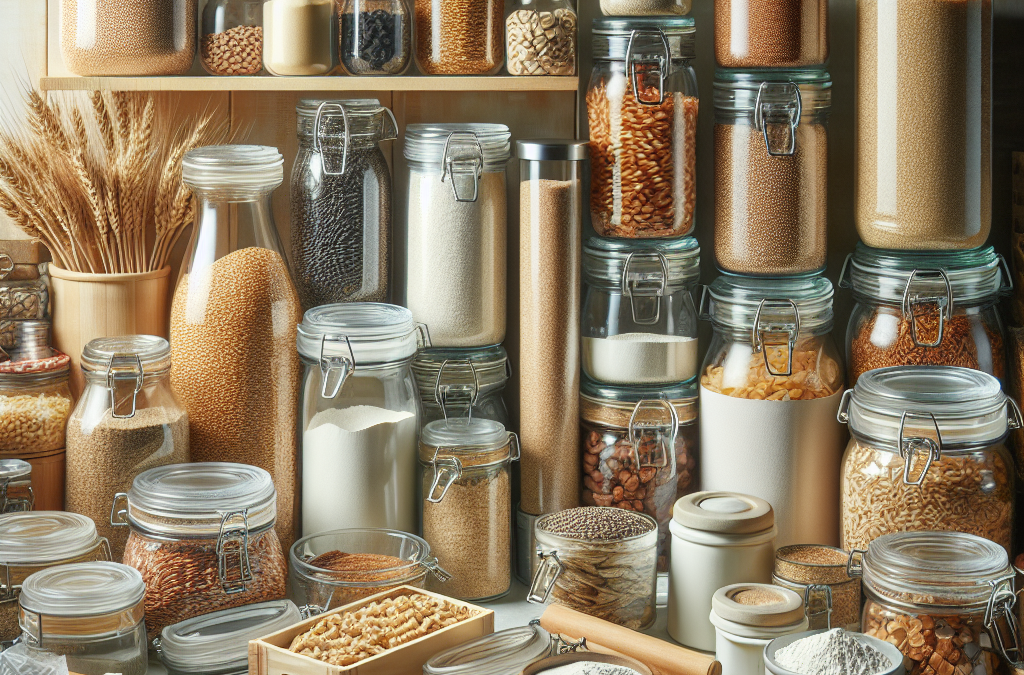
Proper storage of whole grains is crucial for maintaining their freshness and nutritional quality. Store uncooked grains in airtight containers in a cool, dark place to prevent exposure to moisture and light, which can lead to spoilage. For longer-term storage, consider refrigerating or freezing grains, especially if you buy in bulk.
Once cooked, whole grains should be stored in the refrigerator in sealed containers and consumed within a week for optimal freshness. If you want to prepare meals in advance, consider freezing portions to extend their shelf life. Many people underestimate the importance of proper storage, leading to wasted food and lost nutrients.
Get Whole Wheat Flour, Grains and Milling Supplies – CLICK HERE

When reheating cooked grains, add a splash of water and cover them to ensure they steam rather than dry out. This technique helps maintain texture and flavor, allowing you to enjoy your prepped meals to their fullest. Prioritizing these storage practices will not only enhance your meal prep experience but also contribute to a more sustainable approach to food consumption.
Meal Ideas and Pairings
Creating meals with whole grains can be both fun and nutritious. Consider making a grain bowl topped with roasted vegetables and a protein source like grilled chicken or chickpeas. Another option is to prepare a hearty grain salad with ingredients like feta cheese, olives, and a zesty dressing for a refreshing lunch.
Pairing grains with legumes can enhance their protein content, making for a well-rounded meal. For instance, try combining lentils with quinoa or brown rice for a filling dish. Many people overlook how effectively grains can be paired with other food groups, missing out on the benefits of balanced meals.
Additionally, don’t hesitate to use whole grains in unexpected ways, such as incorporating them into baked goods or using them as a base for stuffed peppers. This creativity can keep your meals exciting and help you discover new favorite combinations. Emphasizing the versatility of whole grains can lead to a more enjoyable and sustainable meal prep experience.
Further Reading
For readers seeking authoritative information on whole grains and their benefits, consider exploring resources from reputable organizations like the Whole Grains Council and the USDA. These sources provide valuable insights into the nutritional aspects of whole grains and practical tips for incorporating them into your diet.
Further Reading
Authoritative Sources
- Ready.gov
ready.govOfficial U.S. preparedness guidance, checklists, and planning resources for households and emergencies.
- FEMA
fema.govFederal emergency management resources, disaster planning information, and recovery guidance.
- American Red Cross Emergency Preparedness
redcross.orgPractical emergency preparation steps, supply lists, and safety guidance for families.
- National Weather Service
weather.govOfficial forecasts, hazard alerts, and weather safety information.
- CDC Emergency Preparedness and Response
cdc.govPublic health guidance for emergencies, disasters, and recovery situations.
Frequently Asked Questions
What are the benefits of food prepping with whole grains?
Food prepping with whole grains enhances your diet with essential nutrients, including fiber, protein, and vitamins, while simplifying meal preparation.
How should I store whole grains?
Store uncooked whole grains in airtight containers in a cool, dark place. Cooked grains should be refrigerated in sealed containers and consumed within a week.
Can I freeze cooked whole grains?
Yes, freezing cooked whole grains is an excellent way to extend their shelf life. Portion them out in airtight containers before freezing.
Freezing cooked whole grains is an excellent way to extend their shelf life. Portion them out in airtight containers before freezing.
What cooking methods work best for whole grains?
Common cooking methods include boiling, steaming, and baking. The method may vary depending on the type of grain.
How can I incorporate more whole grains into my diet?
Experiment with different grains, add them to salads, or use them as a base for various dishes to increase your intake.
Conclusion
Incorporating whole grains into your food prepping routine can significantly enhance the nutritional quality of your meals while simplifying preparation. By understanding the importance of choosing the right grains, employing effective cooking techniques, and practicing proper storage, you can create a diverse array of delicious and wholesome dishes. Prioritize experimenting with different grains and pairing them creatively with other ingredients to keep your meals exciting and satisfying. Embrace the benefits of whole grains and enjoy the convenience they bring to your healthy eating journey.
Get Whole Wheat Flour, Grains and Milling Supplies – CLICK HERE
Related Content
Auto Amazon Links: No products found.