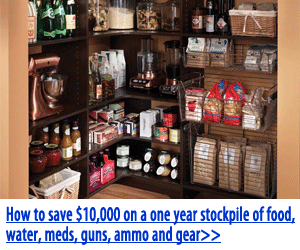
A food storage checklist for preppers is crucial for ensuring you have the necessary supplies during emergencies. This checklist should encompass a range of non-perishable food items, including canned goods, dry grains like rice and beans, and freeze-dried foods.
Understanding the specific needs of your household and the potential scenarios you may face is vital. For example, consider the length of time you might need to rely on your food storage, as well as the number of people you are preparing for. Common mistakes include over-purchasing items that may not be used before they expire or neglecting to include essential non-food items. A balanced approach that combines food with necessary supplies will enhance your readiness.
Moreover, many preppers overlook the importance of rotating their food supplies. Regularly check expiration dates and consume older items first to minimize waste. Additionally, consider the storage conditions; keeping food in a cool, dry place will help maintain its quality. A well-thought-out food storage checklist not only prepares you for emergencies but also promotes efficient use of resources.
Essential Non-Perishable Foods
When creating a food storage checklist for preppers, the first step is selecting essential non-perishable foods. Items like canned vegetables, fruits, meats, and legumes are foundational. Consider adding dry grains, such as rice, pasta, and oats, which serve as versatile staples.
Opting for a variety of foods ensures that you meet nutritional needs. For instance, incorporating protein sources like beans and canned meats can help maintain energy levels during emergencies. Additionally, avoid overly processed foods that may not provide the necessary sustenance. Aim for a mix of flavors and textures to keep meals enjoyable.
When planning your food storage, take into account the dietary restrictions of your household members. This includes allergies, intolerances, or specific dietary lifestyles such as vegetarian or vegan. A well-curated selection will not only satisfy your nutritional needs but also cater to individual preferences.
Important Supplies for Preppers
Food storage is not solely about the food itself; it also involves having the right supplies. Essential items include clean water, cooking tools, and sanitation products. Water is critical, with a recommended minimum of one gallon per person per day for at least three days.
In addition to water, consider adding cooking supplies such as portable stoves, fuel, and utensils. Having a first aid kit, flashlights, batteries, and hygiene products is equally important. These supplies enhance your overall preparedness and ensure you can effectively manage emergencies.
Furthermore, think about the storage environment. Use airtight containers to protect food from moisture and pests, and label items with purchase dates to keep track of freshness. A well-equipped storage area can significantly impact your preparedness level.
Common Mistakes to Avoid
Even seasoned preppers can make mistakes when assembling their food storage checklist. One common pitfall is failing to account for food expiration dates. Many people purchase items without considering how long they will last, leading to waste.
Another mistake is neglecting to include a variety of food types. Relying solely on a few items can lead to nutritional deficiencies and meal fatigue. It’s crucial to diversify your food storage to keep meals interesting and balanced.
Additionally, many preppers forget to periodically review and update their supplies. Regular checks allow you to rotate food, ensuring that older items are consumed before they spoil. This practice not only reduces waste but also keeps your storage fresh and ready for use.
Tips for Rotating Your Food Supply
Rotating your food supply is a key practice in maintaining effective food storage. Start by organizing your items based on expiration dates. Place newer purchases at the back and older items at the front to encourage usage.
Get Whole Wheat Flour, Grains and Milling Supplies – CLICK HERE

Set a schedule for regular checks, such as every six months, to evaluate your supplies. This allows you to replace expired items and adjust your checklist based on changing needs or preferences. Additionally, keep a log of what you have and what needs to be replenished.
Consider using a color-coded labeling system to indicate expiration dates or to identify items that need to be consumed soon. This visual cue can simplify the rotation process and help ensure that food is used efficiently.
Further Reading
Authoritative Sources
- Emergency Food Supply
ready.govThis resource provides guidelines on food storage and emergency preparedness
- Food Safety Modernization Act
fda.govLearn about food safety practices that are crucial for long-term storage
- USDA Food Storage Recommendations
nal.usda.govThis site offers comprehensive recommendations on food storage techniques
- CDC Food Safety in Emergencies
cdc.govFind essential tips for maintaining food safety during emergencies
Frequently Asked Questions
What types of food should I include in my prepper storage?
Include a variety of non-perishable foods such as canned goods, grains, and freeze-dried items to ensure a balanced diet.
How much water should I store for emergencies?
Store at least one gallon of water per person per day for at least three days for adequate hydration and sanitation.
How can I prevent food waste in my storage?
Regularly check expiration dates, rotate your supplies, and consume older items first to minimize waste.
What common mistakes do preppers make?
Common mistakes include over-purchasing items without considering expiration dates and neglecting to diversify food types.
How often should I review my food storage?
Review your food storage at least every six months to ensure freshness and to replace expired items.
Conclusion
In summary, a comprehensive food storage checklist for preppers is essential for effective emergency preparedness. Prioritize a diverse selection of non-perishable foods and necessary supplies. Regularly review and rotate your stock to maintain freshness and minimize waste. By taking these steps, you can ensure that you and your household are well-prepared for any emergency situation. Stay proactive in your planning and adjust your checklist as needed to accommodate changing circumstances or preferences.
Get Whole Wheat Flour, Grains and Milling Supplies – CLICK HERE
Related Content
Auto Amazon Links: No products found.