
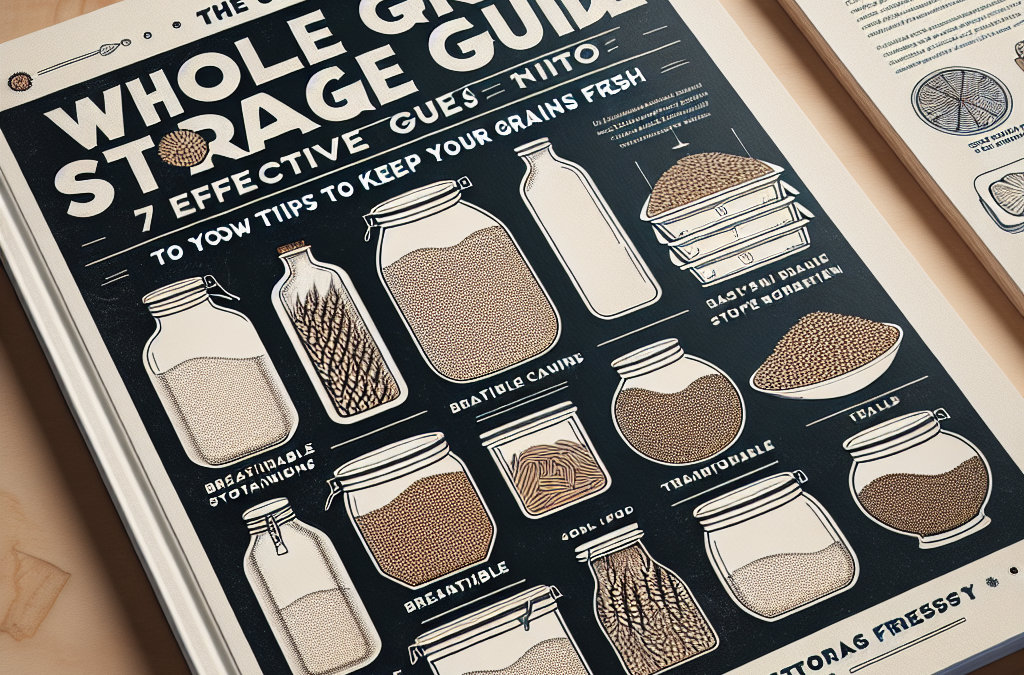
Grain and seed storage involves methods and practices that ensure the preservation of grains and seeds for optimal longevity and usability. Key techniques include maintaining appropriate moisture levels, using airtight containers, and storing in cool, dark environments to prevent spoilage and pest infestation.
Understanding the environmental factors that affect grain and seed storage is critical. Temperature fluctuations, humidity, and exposure to light can lead to degradation and loss of quality. For instance, excessive moisture can promote mold growth, while too much heat can cause seeds to lose their germination potential. Therefore, it is essential to prioritize stable conditions that mitigate these risks.
A common mistake in grain and seed storage is neglecting to regularly check the storage conditions and the items themselves. It’s vital to inspect stored grains for signs of pests or spoilage, as early detection can prevent larger infestations or waste. Additionally, ensuring that containers are sealed correctly can safeguard against moisture and pests.
Understanding Proper Storage Conditions
Maintaining the right storage conditions is crucial for preserving grains and seeds effectively. Ideal storage environments should be cool, dry, and dark. Temperature control is particularly important; most grains and seeds should be stored at temperatures below 70°F (21°C) to prevent spoilage. Additionally, humidity levels should remain under 15% to avoid mold growth.
Investing in a hygrometer can help monitor moisture levels within storage areas. If moisture levels rise, using desiccants can help absorb excess humidity. Understanding these environmental factors will significantly enhance the longevity of stored products.
Another often overlooked aspect is air circulation. Storing grains and seeds in well-ventilated areas can prevent the build-up of moisture and heat, which can lead to spoilage. Regularly checking the temperature and humidity levels can help maintain optimal conditions.
Choosing the Right Containers
The choice of containers plays a vital role in effective grain and seed storage. Airtight containers are the best option, as they keep out moisture and pests. Glass jars, plastic bins with airtight seals, or metal containers can be excellent choices.
When selecting containers, consider the size and quantity of the grains or seeds you plan to store. Ensure that the container is clean and dry before use, as residual moisture can lead to spoilage. Labeling each container with the contents and storage date can also help in managing inventory effectively.
Additionally, avoid using cardboard boxes, as they are prone to moisture and pest infiltration. Instead, opt for durable, reusable containers that can withstand the rigors of time and environmental changes.
Common Storage Mistakes to Avoid
One of the most common mistakes in grain and seed storage is failing to inspect the stored items regularly. It’s essential to check for signs of spoilage, pests, or moisture every few months. Early detection can prevent small issues from becoming significant problems.
Another frequent error is overfilling containers, which can lead to compromised seals and increased exposure to air. Always leave some space at the top of containers to allow for air circulation. Additionally, not rotating stock can lead to older grains being forgotten and potentially spoiled.
Educating oneself about the specific needs of different grains and seeds is also critical. Each type may have unique storage requirements, and failing to adapt storage methods can result in decreased viability.
Get Whole Wheat Flour, Grains and Milling Supplies – CLICK HERE

Long-Term Preservation Techniques
For those looking to store grains and seeds long-term, additional preservation techniques can be beneficial. Freezing seeds for a short period can kill off any potential pests, but it’s essential to ensure the seeds are completely dry before doing so.
Vacuum sealing is another effective method for long-term preservation, as it removes air from the packaging, significantly extending shelf life. This method is particularly useful for smaller quantities of seeds or specialty grains.
Lastly, consider using a rotation system for your stored products. By using older stock first, you can ensure that nothing goes to waste. Keeping a detailed inventory of what you have stored and when it needs to be used can aid in managing your supplies effectively.
Further Reading
Authoritative Sources
- USDA Food Safety and Inspection Service
fsis.usda.govThis site provides comprehensive guidelines on food safety and storage practices, including grains and seeds
- Iowa State University Extension and Outreach
extension.iastate.eduOffers resources on agricultural practices, including proper methods for seed storage
- USDA Agricultural Research Service
ars.usda.govResearch-based information on the best practices for preserving agricultural products
Frequently Asked Questions
What is the best temperature for storing grains?
The ideal temperature for storing grains is below 70°F (21°C) to prevent spoilage.
How can I tell if my stored seeds are still viable?
Perform a germination test by placing a few seeds in moist paper towels; if they sprout, they are viable.
What types of containers are best for seed storage?
Airtight containers made of glass, plastic, or metal are best for keeping seeds safe from moisture and pests.
How often should I check my stored grains?
Inspect stored grains every few months for signs of pests, moisture, or spoilage to catch issues early.
Is vacuum sealing effective for grain storage?
Yes, vacuum sealing removes air and extends the shelf life of grains significantly.
Conclusion
In conclusion, effective grain and seed storage is crucial for maintaining quality and viability over time. By understanding proper storage conditions, choosing the right containers, avoiding common mistakes, and employing long-term preservation techniques, you can ensure that your grains and seeds remain in optimal condition. Regular checks and maintaining ideal environmental factors will help you avoid spoilage and waste, allowing you to make the most of your stored products.
Get Whole Wheat Flour, Grains and Milling Supplies – CLICK HERE
Related Content
Auto Amazon Links: No products found.





