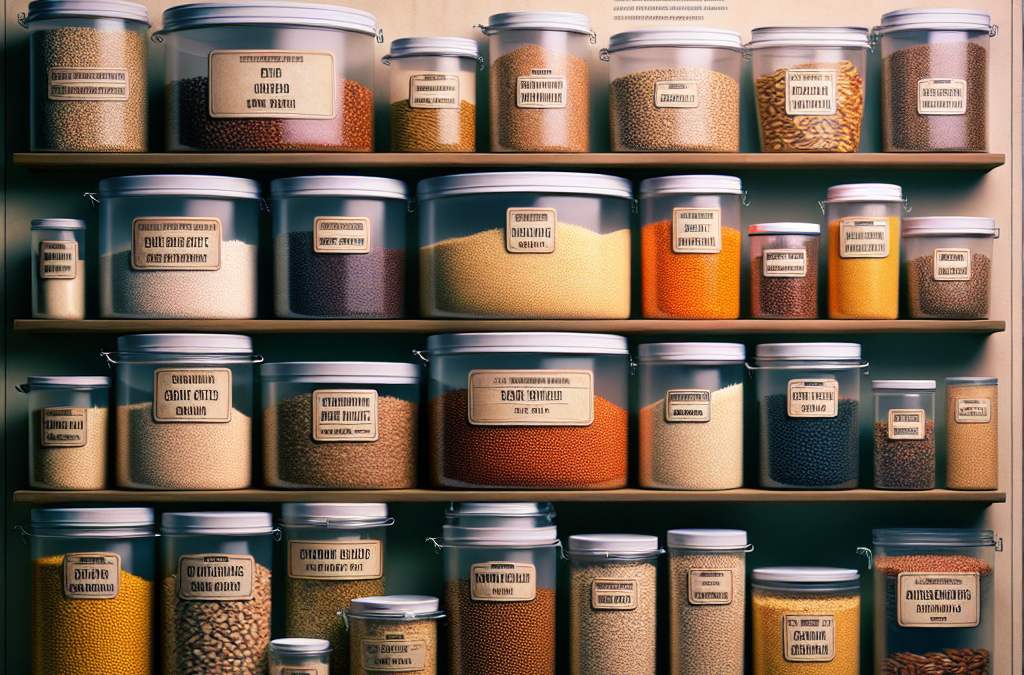
Grain storage for emergency use is crucial for ensuring food security during crises. Proper techniques can prevent spoilage, promote longevity, and ensure that grains remain safe for consumption. Key strategies include selecting suitable containers, controlling moisture, and monitoring for pests.
Grain storage for emergency use is not just about keeping food on hand; it’s about safeguarding your family’s nutrition in times of uncertainty. Effective grain storage techniques can mean the difference between a reliable food supply and a wasted resource. Whether you’re prepping for natural disasters, economic downturns, or unexpected shortages, understanding how to properly store grains can ensure that they remain viable and nutritious when you need them most.
Many people mistakenly assume that any container will suffice for grain storage. However, improper storage can lead to spoilage due to pests, moisture, and oxidation. Common pitfalls include using plastic bags that can trap moisture or containers that don’t seal properly. A smart approach involves prioritizing the right materials, such as airtight containers, and understanding the specific needs of different types of grains.

Choosing the Right Containers
The choice of container is paramount in effective grain storage. Airtight containers made of glass, metal, or thick plastic are ideal as they prevent moisture and pests from contaminating your grains. Consider factors such as size, seal quality, and material durability when selecting your storage options. For larger quantities, food-grade buckets with gamma lids can be a cost-effective solution.
Using unsuitable containers can lead to significant losses. For instance, cardboard boxes may seem convenient but are susceptible to moisture and pests. Always prioritize containers that provide a robust barrier against environmental factors. If you’re storing grains for the long term, investing in quality containers is a wise decision.
Controlling Moisture and Temperature
Moisture control is a critical aspect of grain storage. Grains should be stored in a cool, dry place, ideally with a relative humidity of 15% or lower. High humidity can lead to mold growth and spoilage. Use desiccants, such as silica gel packets, to absorb excess moisture in storage containers.
Temperature fluctuations can also affect grain quality. Ideally, grains should be stored at a consistent temperature, preferably below 70°F (21°C). Consider using a climate-controlled environment or insulated storage solutions to maintain optimal conditions. The tradeoff here involves the cost of energy versus the potential loss from spoiled grains.
Pest Management Strategies
Pests can be a major threat to stored grains. Common pests include weevils and moths, which can infest your grain supply if not managed properly. Preventative measures include thoroughly cleaning storage areas, using pest-resistant containers, and incorporating natural deterrents like bay leaves or diatomaceous earth.
It’s crucial to regularly inspect your stored grains for signs of infestation. Early detection can save your supply. Consider implementing a rotation system where older grains are used first to minimize the risk of infestations. Understanding pest behavior and investing in preventive measures is essential for maintaining your grain’s integrity.
Get Whole Wheat Flour, Grains and Milling Supplies – CLICK HERE

Monitoring and Maintenance
Regular monitoring of your grain storage is vital. Check for any signs of moisture, pests, or spoilage at least once a month. Keeping a log of your findings can help you track conditions and identify potential issues early.
Maintenance also includes ensuring that containers remain sealed and in good condition. If a container shows signs of wear or damage, it should be replaced immediately. This proactive approach can prevent small problems from escalating into major losses.
Frequently Asked Questions
What types of grains are best for emergency storage?
Common choices include rice, wheat, oats, and corn, as they have long shelf lives and are versatile for cooking.
How long can grains be stored for emergency use?
With proper storage conditions, most grains can last anywhere from 5 to 30 years, depending on the type.
What is the best way to prevent pests in stored grains?
Using airtight containers and natural deterrents, such as bay leaves or diatomaceous earth, can help prevent infestations.
Should I vacuum seal my grains?
Yes, vacuum sealing can significantly extend the shelf life of grains by reducing exposure to air and moisture.
How often should I check my stored grains?
It’s recommended to inspect stored grains at least once a month for any signs of moisture, pests, or spoilage.
Conclusion
Effective grain storage for emergency use is a vital skill for ensuring food security. By choosing the right containers, controlling moisture and temperature, managing pests, and conducting regular maintenance, you can safeguard your grain supply against spoilage and contamination. Prioritize these strategies to empower yourself with a reliable food source, especially during uncertain times.
Related Content
Auto Amazon Links: No products found.