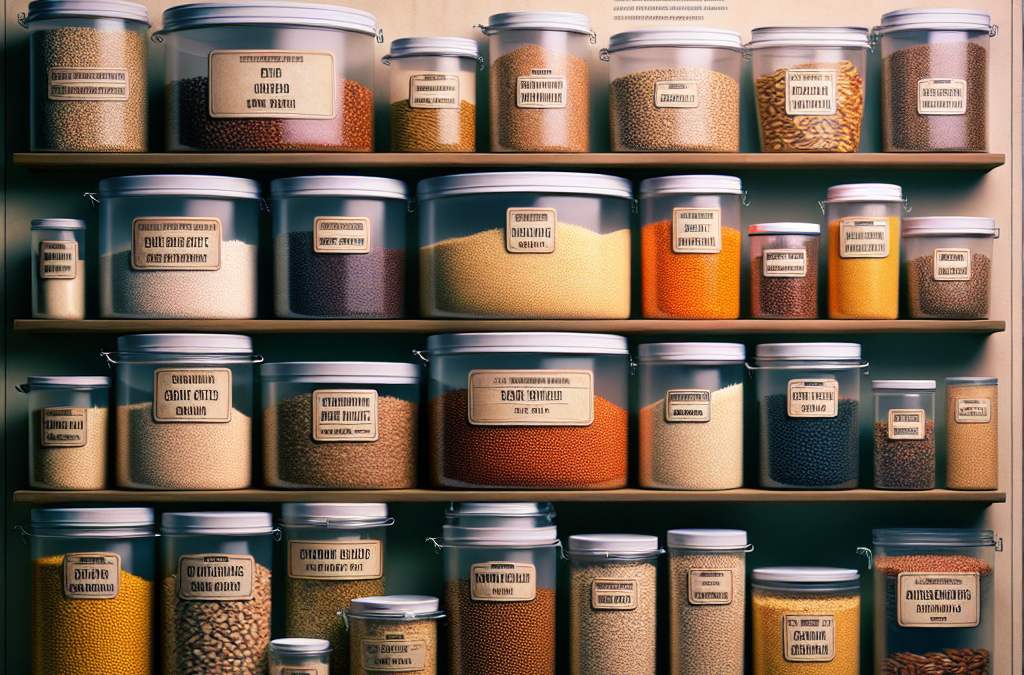
Grain storage for emergency use is crucial for ensuring that food supplies remain safe and nutritious during crises. Proper methods include selecting the right storage containers, controlling environmental factors like temperature and humidity, and protecting against pests.
When storing grains for emergencies, the primary concern should be the prevention of spoilage and contamination. High humidity can lead to mold growth, while pests can infest and damage stored grains. Therefore, choosing airtight containers that can withstand varying conditions is essential. Additionally, regularly monitoring stored grains for signs of spoilage is a critical practice to avoid waste.
Many people underestimate the importance of proper grain storage, assuming that any container will suffice. However, using inappropriate storage solutions can lead to significant losses. For example, using plastic bags may not provide adequate protection against moisture and pests. Instead, consider using food-grade buckets or vacuum-sealed bags to ensure the grains remain uncontaminated and fresh.
Choosing the Right Storage Containers
Choosing the right storage containers is the first step in effective grain storage for emergencies. Airtight containers, such as food-grade buckets, vacuum-sealed bags, or glass jars, provide optimal protection against moisture and pests. These containers help maintain the quality of the grains by preventing air and humidity from compromising their integrity.
Many people make the mistake of using non-food-safe containers or those that do not seal properly. This can lead to contamination and spoilage. Investing in quality storage solutions is essential for preserving the grains’ nutritional value and extending their shelf life. Additionally, clearly labeling each container with the contents and the date of storage can help keep track of inventory.
It’s also important to consider the size and shape of the containers. Larger containers may be more practical for bulk storage, while smaller containers can be easier to handle and use for everyday cooking. Assess your needs and choose containers that will work best for your specific situation.
Controlling Environmental Factors
Controlling environmental factors such as temperature and humidity is vital for effective grain storage. Ideally, grains should be stored in a cool, dry place, away from direct sunlight. The ideal storage temperature is between 40°F and 60°F, while humidity levels should remain below 15% to prevent mold growth.
Regularly monitoring the storage environment can help maintain these ideal conditions. Using hygrometers and thermometers can provide accurate readings of humidity and temperature. If conditions are not optimal, consider using dehumidifiers or air conditioning to regulate the environment and protect stored grains.
Additionally, avoid storing grains in areas prone to temperature fluctuations, such as garages or attics. Instead, choose a consistent and stable environment that will not expose the grains to extreme changes.
Pest Prevention Strategies
Pest prevention is a critical aspect of grain storage for emergency use. Rodents, insects, and other pests can quickly infest stored grains, leading to contamination and loss. Implementing effective pest prevention strategies is essential to protect your food supply.
Using airtight containers is the first line of defense against pests. Additionally, regularly inspecting storage areas for signs of infestations, such as droppings or gnaw marks, is crucial. If pests are detected, take immediate action to eliminate them and prevent further damage.
Get Whole Wheat Flour, Grains and Milling Supplies – CLICK HERE

Consider using natural deterrents, such as bay leaves or diatomaceous earth, which can help keep pests at bay without introducing harmful chemicals. Keeping the storage area clean and free of food debris can also deter pests from entering.
Regular Inspection and Maintenance
Regular inspection and maintenance are essential for ensuring the longevity and quality of stored grains. Inspect containers for signs of moisture, pests, or spoilage at least once every few months. This proactive approach can help identify issues before they escalate, ensuring that your emergency food supply remains safe and usable.
When inspecting grains, look for changes in color, odor, or texture. If any signs of spoilage are detected, remove the affected grains immediately to prevent contamination of the rest. Additionally, rotate your stock by using older grains first to ensure nothing goes to waste.
Keeping a detailed log of inspections and maintenance actions can also help track the condition of your stored grains. This practice can assist in identifying patterns or recurring issues that need to be addressed.
Further Reading
Authoritative Sources
- National Center for Home Food Preservation
nchfp.uga.eduThis resource provides comprehensive guidelines for food preservation techniques, including grain storage methods
- USDA Food Safety and Inspection Service
fsis.usda.govOffers information on food safety and proper storage methods to prevent spoilage and contamination
Frequently Asked Questions
What is the best way to store grains for emergencies?
The best way to store grains for emergencies is in airtight containers placed in a cool, dry environment, ideally at temperatures between 40°F and 60°F.
How long can grains be stored for emergency use?
Grains can typically be stored for 10 to 30 years if kept in optimal conditions, depending on the type of grain and storage method.
What types of containers are best for grain storage?
Airtight food-grade buckets, vacuum-sealed bags, and glass jars are ideal for storing grains, as they protect against moisture and pests.
How can I prevent pests in stored grains?
Prevent pests by using airtight containers, regularly inspecting for signs of infestations, and maintaining a clean storage area.
What should I do if I find spoiled grains?
If you find spoiled grains, remove them immediately to prevent contamination and inspect the remaining grains for any signs of spoilage.
Get Whole Wheat Flour, Grains and Milling Supplies – CLICK HERE
Related Content
- The 7 Best Homestead Grain Storage Strategies for 2025
- The Ultimate Guide to 10 Effective long shelf life grains for storage in 2025
- Save 15% on ALL Survival & Preparedness Needs
- Maximize Freshness and Flavor with Airtight Food Storage Containers: Your Essential Guide
- Locating your Food Storage: Three Criteria
Auto Amazon Links: No products found.