
Grain storage in a cool dark place is crucial for maintaining the quality and longevity of grains. This method prevents spoilage from heat, light, and humidity, which can lead to mold growth and nutrient loss.
When considering grain storage, it’s essential to recognize the environmental factors that contribute to grain degradation. Temperature fluctuations and exposure to light can accelerate spoilage. Therefore, selecting a storage area that remains consistently cool and dark is vital. Common mistakes include using clear containers that allow light exposure, or storing grains in damp areas that can promote mold growth.
Moreover, understanding the specific needs of different grains can help optimize storage conditions. For instance, while some grains like rice can tolerate slight humidity, others like wheat require very dry conditions to prevent spoilage. Always prioritize using airtight containers to minimize exposure and consider adding desiccants to absorb any residual moisture.
Choosing the Right Storage Containers
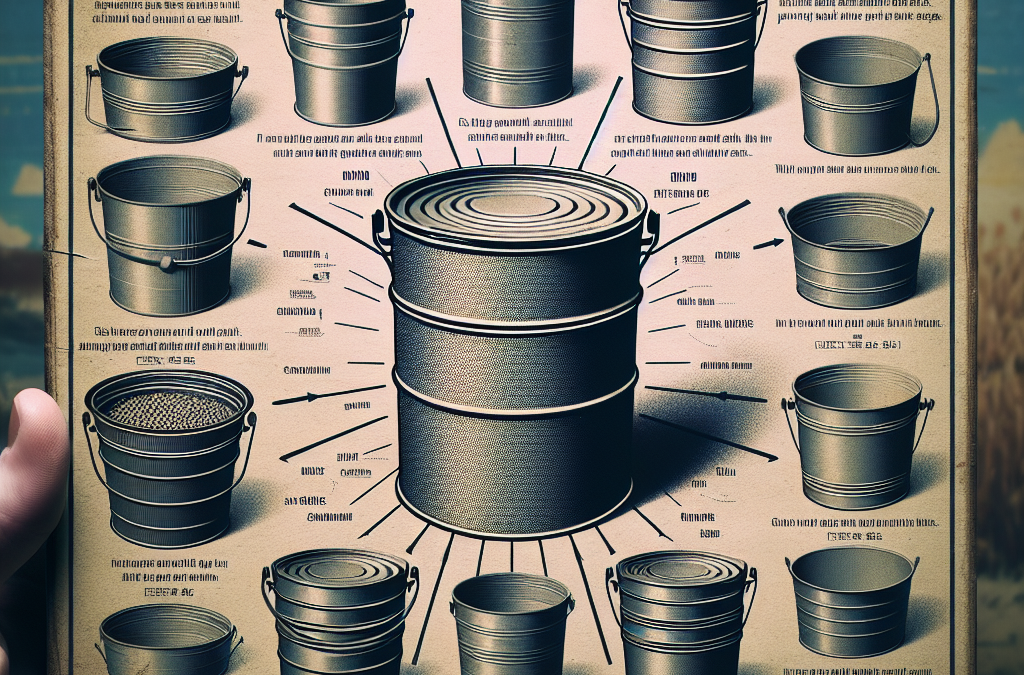
When it comes to grain storage, selecting the appropriate containers is key. Airtight bins made from food-grade materials are ideal as they prevent moisture and pests from infiltrating. Glass jars, metal containers, and heavy-duty plastic bins can all serve the purpose, but ensure they are opaque to block light exposure.
Plastic containers are lightweight and often come with secure lids, but ensure they are BPA-free to avoid chemical leaching. Glass jars provide an excellent seal and visibility but can be heavy and breakable. Whichever container you choose, make sure it is clean and dry before filling it with grains.
Additionally, consider the size of your storage containers. It’s advisable to store grains in smaller amounts to maintain freshness and reduce the risk of spoilage. Always label containers with the type of grain and the date of storage to keep track of shelf life.
Optimal Temperature and Humidity Levels
The ideal environment for grain storage is cool, dark, and dry. Aim for a temperature range between 50°F to 70°F (10°C to 21°C) and a humidity level below 15%. These conditions significantly reduce the risk of mold growth and pest infestations.
Using a hygrometer can help monitor humidity levels, while a thermometer can ensure the temperature remains stable. If your storage area tends to be humid, consider using a dehumidifier or air conditioning to maintain optimal conditions. Avoid storing grains in basements or attics where temperature and humidity can fluctuate.
It’s also important to avoid storing grains near heat sources such as ovens or heaters, as these can create temperature spikes that lead to spoilage. Prioritize a dedicated storage space that is insulated from environmental changes.
Common Mistakes in Grain Storage
Many people make critical mistakes when storing grains that can lead to spoilage. One common error is using clear containers that expose grains to light, which can degrade quality. Another mistake is failing to check for pests before storage; infested grains should never be stored as they can contaminate other grains.
Additionally, neglecting to clean containers before use can introduce bacteria or mold spores. Ensure that all storage containers are thoroughly washed and dried before filling them with grains. Avoid overfilling containers, as this can lead to air pockets that promote spoilage.
Another frequent oversight is ignoring the specific requirements of different grains. Each type of grain may have unique storage needs, and understanding these can prevent waste. Take the time to research the best practices for the grains you are storing to ensure optimal preservation.
Get Whole Wheat Flour, Grains and Milling Supplies – CLICK HERE

Best Practices for Long-Term Preservation
To maximize the shelf life of stored grains, implement best practices that focus on cleanliness, environment, and monitoring. Ensure cleanliness by regularly inspecting storage containers for signs of pests or spoilage, and clean them as needed. Maintain a consistent storage environment by keeping temperature and humidity levels stable.
Additionally, consider rotating your grain supply. Use older grains first to prevent spoilage and waste, while replenishing your stock with fresh grains. This practice, known as FIFO (First In, First Out), helps maintain a fresh supply.
Lastly, educate yourself on the specific shelf life of different grains. For instance, whole grains tend to have a shorter shelf life than refined grains due to their higher oil content. Understanding these factors can help you prioritize which grains to consume first.
Further Reading
Authoritative Sources
- Iowa State University Extension and Outreach
extension.iastate.eduOffers comprehensive guidelines on grain storage methods and best practices
- U.S. Food and Drug Administration
fda.govProvides information on food safety and storage recommendations for grains
- National Agricultural Library
nal.usda.govA valuable resource for research and information on agricultural practices, including grain storage
Frequently Asked Questions
What is the best temperature for grain storage?
The best temperature for grain storage is between 50°F to 70°F (10°C to 21°C) to prevent spoilage.
How long can grains be stored in a cool dark place?
Grains can be stored for several years in a cool dark place, depending on the type of grain.
What containers are best for storing grains?
Airtight containers made from food-grade materials, such as glass or heavy-duty plastic, are ideal for grain storage.
How can I check for pests in stored grains?
Inspect grains regularly for signs of pests, such as holes or webbing, and remove any infested grains immediately.
What should I do if my grains get moldy?
If grains become moldy, they should be discarded as mold can produce harmful toxins.
Get Whole Wheat Flour, Grains and Milling Supplies – CLICK HERE
Related Content
Auto Amazon Links: No products found.





