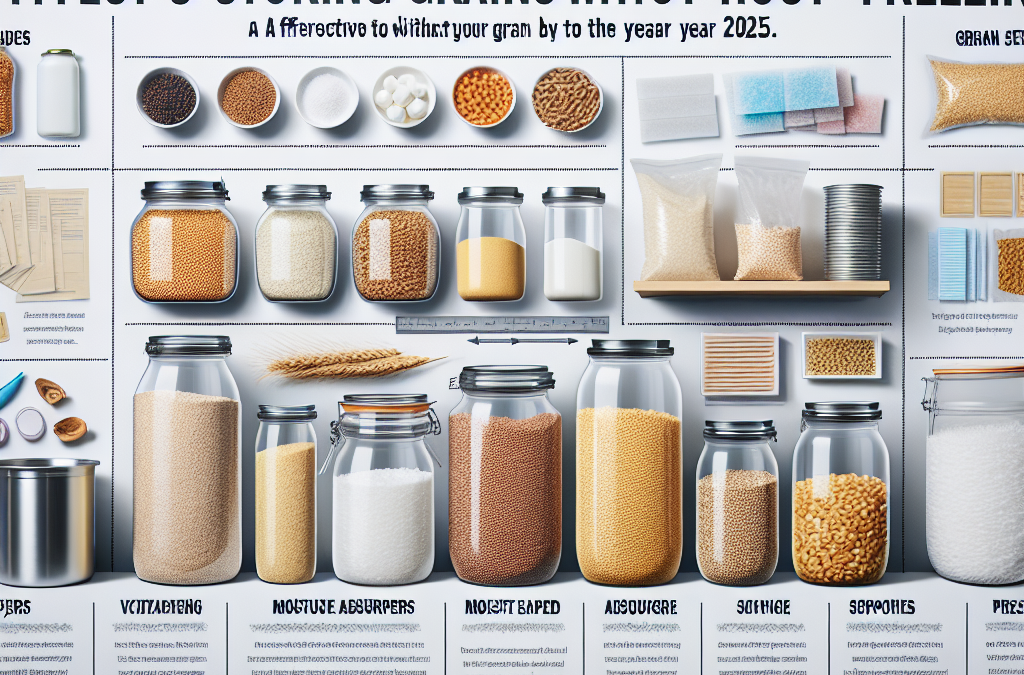
Oxygen absorbers are crucial for maintaining the quality of stored grains by preventing oxidation, thus extending their shelf life. They work by absorbing oxygen from the storage environment, which minimizes spoilage and nutrient loss, making them an essential tool for effective grain storage.
Oxygen absorbers play a pivotal role in grain storage, significantly enhancing the longevity and quality of your grains. By creating an oxygen-free environment, these absorbers prevent oxidation, mold growth, and pest infestations, which are common threats to stored grains. When grains are stored properly using oxygen absorbers, not only is their shelf life extended, but their nutritional value and flavor are preserved, ensuring that your food supply remains safe and nutritious.
However, many individuals overlook the importance of oxygen absorbers, often assuming that traditional storage methods will suffice. This can lead to common pitfalls, such as spoilage or infestations that compromise grain quality. It’s essential to recognize that the effectiveness of grain storage is not solely dependent on the container used but also on the atmospheric conditions within that container. Prioritizing the right tools, like oxygen absorbers, can make a significant difference in maintaining grain integrity.

Understanding Oxygen Absorbers
Oxygen absorbers are small packets filled with iron powder and other materials that react with oxygen in the air. When these packets are placed in sealed storage containers, they absorb the oxygen, creating an anaerobic environment. This is particularly beneficial for grains, which can be susceptible to spoilage due to moisture and oxygen exposure. By reducing the oxygen levels, you inhibit the growth of bacteria, molds, and insects that can damage your grain supply.
It’s important to note that not all oxygen absorbers are created equal. Some are designed specifically for food storage, while others may be intended for non-food applications. Always ensure that the absorbers you choose are food-grade and suitable for the type of grain you are storing. Additionally, the effectiveness of these absorbers diminishes once the package is opened, so proper handling is essential for maintaining their potency.
Choosing the Right Oxygen Absorbers for Grain Storage
Selecting the appropriate oxygen absorbers depends on several factors, including the type of grain, the storage container size, and the expected storage duration. Oxygen absorbers come in various sizes, typically measured in cubic centimeters (cc). For example, a 100cc absorber is suitable for a container holding about 25 pounds of grains. Always refer to the manufacturer’s guidelines to determine the correct size for your specific needs.
Furthermore, consider the environment in which the grains will be stored. Higher humidity levels may require more robust oxygen absorbers to counteract the increased risk of spoilage. If you’re storing grains in a warm climate, opt for absorbers with a higher capacity to ensure they remain effective over time. Understanding these nuances will help you make informed decisions that protect your grain supply.
Best Practices for Using Oxygen Absorbers
To maximize the effectiveness of oxygen absorbers in grain storage, follow these best practices:
- Seal containers tightly after adding oxygen absorbers to prevent air from re-entering.
- Store grains in a cool, dry place to further inhibit spoilage.
- Use a vacuum sealer for added protection, especially for long-term storage.
- Regularly check the integrity of the storage containers and the condition of the oxygen absorbers.
By adhering to these practices, you can ensure that your grains remain fresh and safe for consumption. Additionally, consider rotating your grain supplies periodically to maintain optimal freshness and avoid long-term storage issues.
Get Whole Wheat Flour, Grains and Milling Supplies – CLICK HERE

Common Mistakes in Grain Storage
Many individuals make critical errors when storing grains, often resulting in spoilage or loss of quality. One common mistake is underestimating the importance of using oxygen absorbers. Some may believe that simply sealing grains in a container is sufficient, but without reducing oxygen levels, the risk of spoilage increases significantly.
Another frequent error is failing to monitor the storage conditions. High humidity and temperature can drastically reduce the effectiveness of oxygen absorbers and lead to grain deterioration. It’s vital to regularly check the environment in which your grains are stored and make necessary adjustments to maintain optimal conditions.
Further Reading
For more in-depth information on grain storage methods and the use of oxygen absorbers, consider exploring resources from agricultural extension services or food preservation organizations. These resources provide valuable insights into best practices and innovative techniques for maintaining grain quality.
Frequently Asked Questions
What are oxygen absorbers and how do they work?
Oxygen absorbers are packets containing materials that react with oxygen, effectively removing it from sealed environments, thus preventing spoilage and extending shelf life.
Can I reuse oxygen absorbers?
No, once oxygen absorbers are activated and exposed to air, they cannot be reused effectively and should be replaced for optimal performance.
How do I know if my oxygen absorbers are still effective?
Check the packaging; if the absorbers are discolored or have changed in texture, they may no longer be effective and should be replaced.
What types of grains benefit most from oxygen absorbers?
All types of grains, including rice, wheat, and corn, benefit from oxygen absorbers, particularly those intended for long-term storage.
How long can I store grains using oxygen absorbers?
With proper use of oxygen absorbers, grains can be stored for several years, often up to 10-20 years, depending on the grain type and storage conditions.
Conclusion
Incorporating oxygen absorbers into your grain storage strategy is essential for preserving the quality and longevity of your grains. By understanding how they work and implementing best practices, you can significantly reduce the risks of spoilage and maintain a reliable food supply. Prioritize choosing the right products for your storage needs, and regularly monitor conditions to ensure optimal grain preservation.
Related Content
Auto Amazon Links: No products found.