The real challenge isn't understanding mastering home pantry food storage: tips to preserve freshness and maximize space — it's what happens when small oversights, weak priorities, or real-world constraints start compounding.
Effective home pantry food storage is a vital skill for anyone looking to maintain food quality and maximize available space. The way you store food can significantly impact its freshness, safety, and usability over time. Whether you’re preparing for emergencies or simply want to keep your groceries organized, understanding the principles of pantry storage can lead to better meals and less waste.
Common mistakes in pantry management often stem from poor organization or inadequate understanding of food preservation methods. Many people assume that all foods can be stored indefinitely or that they can simply toss items into a cupboard without any thought. This approach can lead to spoilage, waste, and frustration. By prioritizing effective storage practices, you can avoid these pitfalls and ensure your pantry remains a reliable resource.

Understanding Food Shelf Life
This matters more than it seems because weak decisions here usually create bigger downstream problems. Knowing the shelf life of different foods is crucial for effective home pantry food storage. Foods vary widely in how long they remain safe and palatable. For instance, canned goods can last for years, while fresh produce has a much shorter lifespan. Understanding these differences allows you to prioritize which items to use first and which can be stored longer.
Many people overlook the importance of checking expiration dates or assume that food is still good if it looks fine. This assumption can lead to consuming spoiled items, which may cause foodborne illnesses. To mitigate risks, consider creating a rotation system where older items are used before newer ones, and regularly check for any items nearing their expiration.
Best Practices for Organizing Your Pantry
This matters more than it seems because weak decisions here usually create bigger downstream problems. Effective organization is key to maximizing your pantry’s potential. Start by categorizing items into groups such as canned goods, grains, snacks, and baking supplies. This method not only helps you find items quickly but also allows you to see what you have at a glance, reducing the chances of overbuying.
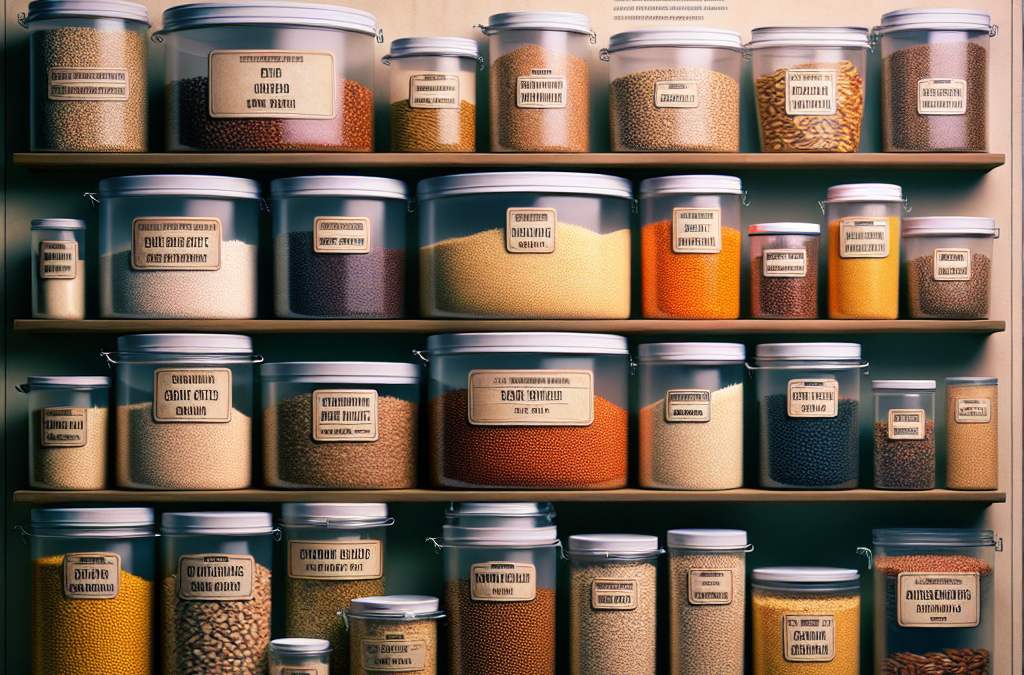
Consider using clear containers for visibility, and label everything to avoid confusion. Additionally, arrange your pantry by frequency of use; place everyday items at eye level and less frequently used items on higher or lower shelves. This approach streamlines cooking and encourages you to utilize everything in your pantry efficiently.
Choosing the Right Storage Containers
This matters more than it seems because weak decisions here usually create bigger downstream problems. The choice of storage containers can significantly affect the longevity of your food. Airtight containers are essential for keeping moisture and pests out, especially for grains and cereals. Glass containers are often preferred for their durability and lack of chemical leaching, while plastic options are lightweight and versatile.
Another important factor is the size of the container. Overstuffed containers can lead to spills, while underfilled ones may leave air pockets that accelerate spoilage. Aim for a balance that allows for easy access while ensuring items are stored correctly. Consider investing in vacuum-sealable bags for items that need extended preservation.
Common Pantry Storage Mistakes to Avoid
This matters more than it seems because weak decisions here usually create bigger downstream problems. Several common mistakes can derail your home pantry food storage efforts. One major pitfall is neglecting to clean and organize your pantry regularly. Dust and spills can attract pests and contaminate food, so make it a habit to do a thorough cleaning every few months.
Get Whole Wheat Flour, Grains and Milling Supplies – CLICK HERE

Additionally, storing food in its original packaging may not always be the best choice. Many packages are not designed for long-term storage and can allow light and air to affect food quality. Always transfer items to suitable containers if you intend to keep them for an extended period. Lastly, avoid over-buying; stick to a shopping list based on your inventory to prevent waste.
Further Reading
Authoritative Sources
- USDA Food Safety and Inspection Service
fsis.usda.govThis resource offers guidelines on food safety, including storage recommendations for various food types
- Eat By Date
eatbydate.comA comprehensive guide to food expiration dates and storage tips to reduce waste
- FoodSafety.gov
foodsafety.govGovernment resources for safe food storage and handling practices
Frequently Asked Questions
What is the best way to store grains in a pantry?
Grains should be stored in airtight containers to prevent moisture and pests. Keep them in a cool, dark place to maximize freshness.
How can I tell if food has gone bad?
Check for off smells, discoloration, or changes in texture. If in doubt, it’s safer to discard the item.
Should I keep my pantry items in their original packaging?
It’s often better to transfer items to airtight containers, as original packaging may not provide adequate protection for long-term storage.
How often should I clean my pantry?
Clean your pantry every few months to remove dust and spills, and check for expired items.
What should I prioritize in my pantry storage?
Focus on organizing items by category, storing frequently used items at eye level, and ensuring everything is in airtight containers.
Conclusion
This matters more than it seems because weak decisions here usually create bigger downstream problems. Mastering home pantry food storage involves understanding food shelf life, organizing effectively, and choosing the right containers. By avoiding common mistakes and prioritizing best practices, you can ensure your pantry remains a reliable resource for fresh and safe food. Start by assessing your current pantry setup, implementing these strategies, and enjoy the benefits of a well-organized and efficient food storage system.
Related Content
Auto Amazon Links: No products found.